Olympic vs Standard Plates: Setup for Squats & Dumbbell Goblet Squats
Compare Olympic vs standard weight plates for your home gym. Discover which setup best supports heavy barbell lifts and dumbbell goblet squats in 2026.

The 1-Inch vs 2-Inch Divide: Understanding the Basics
When outfitting a home gym or commercial facility in 2026, the debate between Olympic and standard weight plates remains one of the most critical purchasing decisions for lifters. At first glance, the difference seems to be merely a matter of the center hole diameter: standard plates feature a 1-inch hole, while Olympic plates feature a 2-inch (50mm) hole. However, this seemingly minor dimensional variance cascades into massive differences in barbell mechanics, weight distribution, durability, and exercise versatility.
Choosing the wrong plate system can severely limit your progressive overload, compromise your safety during heavy compound lifts, and even restrict your ability to perform accessory movements effectively. Below, we break down the exact specifications, failure modes, and real-world applications of both systems to help you build the ultimate lower-body training setup.
| Feature | Standard Plates (1-Inch) | Olympic Plates (2-Inch) |
|---|---|---|
| Center Hole Diameter | 1 inch (25.4mm) | 2 inches (50mm) |
| Max Plate Diameter (45lb/20kg) | Varies (Usually 11-13 inches) | Standardized 17.7 inches (450mm) |
| Barbell Yield Strength | ~200-250 lbs before bending | 800-1,500+ lbs (depending on bar PSI) |
| Average Cost Per Pound (2026) | $1.20 - $1.60 / lb | $2.00 - $4.50 / lb |
| Sleeve Rotation | None (Fixed solid steel) | Bushings or Needle Bearings |
Barbell Squats vs. Dumbbell Goblet Squats: How Plate Choice Impacts Training
To understand why plate selection matters, we must look at the primary lower-body movements you intend to perform. The barbell back squat is the undisputed king of absolute strength development. According to biomechanical data from ExRx, the barbell back squat places immense sheer force and torsional stress on the barbell, requiring equipment that can withstand extreme loads without permanent deformation.
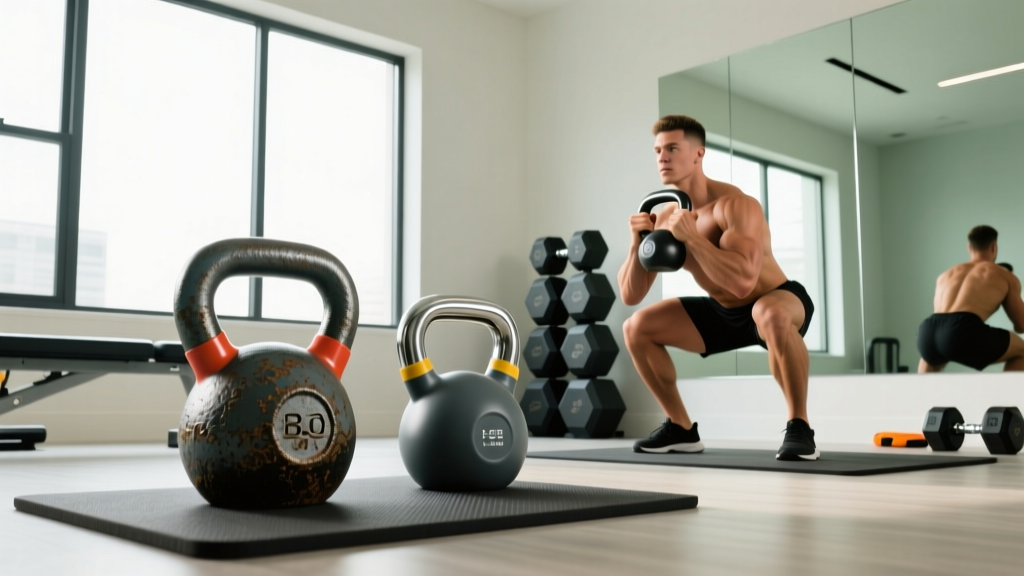
But what if your programming heavily features dumbbell goblet squats? Many lifters with mobility restrictions, limited space, or a focus on hypertrophy and core stabilization prioritize dumbbell goblet squats over heavy barbell work. If your heaviest leg day involves holding an 80 lb dumbbell at your sternum, you might assume a cheaper standard plate setup is sufficient for your accessory lifts. This is a common and costly miscalculation.
The Standard Dumbbell Handle Failure Point
Standard 1-inch dumbbell handles (typically 14 inches in total length) only offer about 6.5 inches of loadable sleeve space per side. Because standard cast iron plates are incredibly thick, you can usually only fit three 10-lb plates and one 5-lb plate per side. This physically caps your standard plate-loaded dumbbell at roughly 75 lbs. If your dumbbell goblet squats require an 80 lb or 100 lb load to achieve progressive overload, standard equipment simply cannot accommodate your strength curve. You are forced to buy fixed hex dumbbells or upgrade to an Olympic-loadable system.
Deep Dive: Standard Weight Plates (The Budget Trap)
Standard plates are frequently sold in big-box sporting goods stores and bundled with lightweight, 1-inch solid steel bars. They are almost exclusively made of cast iron or cement-filled vinyl.
The Pros of Standard Plates
- Upfront Cost: Standard cast iron plates can often be found on the used market for under $1.00 per pound, making them tempting for extreme budget builds.
- Lightweight Accessories: For very light isolation work, such as basic wrist curls or light tricep extensions, a standard 1-inch setup is adequate.
The Cons and Failure Modes
- Barbell Bending: A standard 1-inch solid steel bar lacks the tensile strength to handle heavy loads. Once you surpass 200 lbs on a standard barbell squat, the bar will likely experience 'yielding'—a permanent bend in the center of the shaft that ruins the bar's structural integrity.
- Diameter Inconsistencies: Unlike Olympic plates, standard plates do not have a standardized outer diameter. A 25-lb standard plate might be 12 inches in diameter, while a 45-lb equivalent might not exist, forcing you to stack multiple smaller plates. This alters the starting height of your barbell off the floor, ruining the mechanics of deadlifts and rack pulls.
- Wrist Interference: When attempting to use standard plate-loaded dumbbell handles for dumbbell goblet squats, the bulky screw collars and thick cast iron plates dig painfully into your wrists and forearms, compromising your grip and form.
Deep Dive: Olympic Weight Plates (The Gold Standard)
Olympic plates are the universal standard for serious lifters, commercial gyms, and Olympic weightlifting. The 2-inch hole accommodates heavy-duty steel bars with rotating sleeves, which is crucial for dissipating the rotational torque generated during explosive lifts like cleans and snatches.
Why Olympic Plates Dominate in 2026
Modern Olympic plates come in several variations: cast iron, rubber-gripped, and solid bumper plates. When outfitting a modern facility, gym owners and serious home-gym builders consistently turn to validated equipment like the Rogue Echo Bumper Plates. These plates feature a standardized 450mm diameter, ensuring that whether you have 135 lbs or 405 lbs on the bar, the barbell sits exactly 8.75 inches off the floor.
Impact on the Goblet Squat
While you do not put Olympic plates directly onto a standard dumbbell, investing in the Olympic ecosystem opens the door to superior adjustable dumbbells (like Nuobell or PowerBlock) and specialty Olympic dumbbell handles. Olympic dumbbell handles feature 2-inch rotating sleeves and compact steel collars. This design allows you to load up to 150+ lbs per hand while keeping the weight profile compact enough to hold comfortably at your chest for heavy dumbbell goblet squats without the hardware digging into your sternum.
'The investment in Olympic plates is not just about the plates themselves; it is about buying into an ecosystem of high-tensile steel bars, precision-machined sleeves, and standardized dimensions that protect your joints and allow for limitless progression.' — FitGearPulse Equipment Testing Team
Decision Matrix: Which System Fits Your Gym?
Use the following framework to determine which plate system aligns with your training reality and budget.
Choose Standard Plates ONLY If:
- Your total budget for plates and bars is under $150.
- You are strictly performing light isolation exercises and will never attempt barbell squats, deadlifts, or Olympic lifts.
- You are building a temporary setup (e.g., a college dorm or short-term rental) and plan to dispose of or donate the equipment within a year.
Choose Olympic Plates If:
- You plan to barbell squat, deadlift, or perform any bilateral compound movements where the load will exceed 150 lbs.
- Your programming relies on heavy dumbbell goblet squats, requiring access to high-quality adjustable dumbbells or heavy loadable handles that standard 1-inch hardware cannot support.
- You care about equipment longevity, accurate weight calibration, and standardized barbell heights.
- You want to retain resale value; Olympic plates hold their value exceptionally well on the secondary market, whereas standard plates are often given away for free.
Expert Verdict: Building the Ultimate Lower-Body Setup
The verdict for any serious lifter in 2026 is unequivocal: Olympic plates are the only logical investment for a long-term home gym. While the initial cost per pound is higher, the structural limitations and safety hazards associated with 1-inch standard bars and plates make them a false economy.
If your primary leg developer is the dumbbell goblet squat, bypass the standard plate-loaded dumbbell handles entirely. Instead, allocate your budget toward a high-quality set of fixed hex urethane dumbbells or a premium adjustable dumbbell set, and pair your barbell work with a reliable set of Olympic cast iron or bumper plates. By standardizing your gym around the 2-inch Olympic ecosystem, you ensure that whether you are grinding out a heavy barbell back squat or bracing for a high-rep set of dumbbell goblet squats, your equipment will never be the bottleneck in your training progression.
More gear to consider
All reviews
Bumper vs Iron Plates: Space Layouts & Standing Dumbbell Calf Raise
Rubber vs Urethane 50 lb Dumbbell: Care & Longevity Guide

Rubber Hex vs Urethane: Best Gear for the Dumbbell Step Up Exercise

Securing Dumbbell and Barbell Exercises: Collar Setup Guide
Rack Mistakes for Chest Exercises Without Dumbbells: Power vs Stand