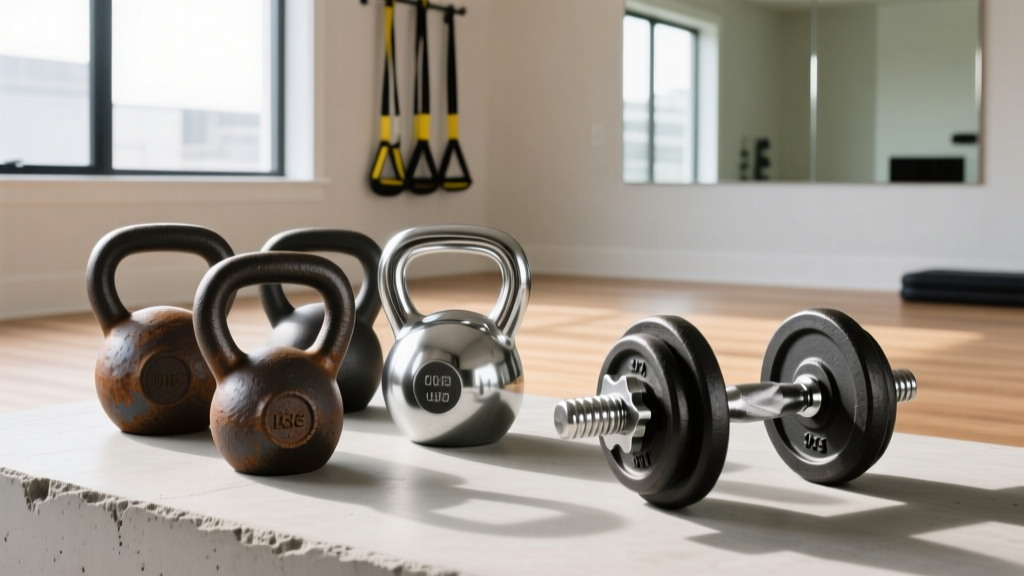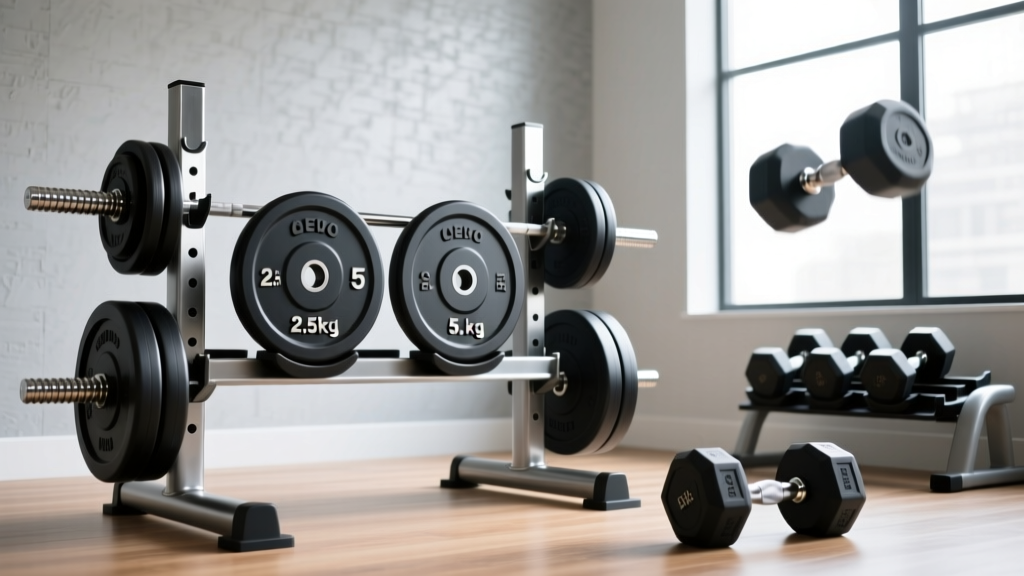
Olympic vs Standard Weight Plates: Troubleshooting Dumbbell Pulls
Discover the critical differences between Olympic and standard weight plates, and troubleshoot common gear mistakes affecting your dumbbell pulls.

The Architecture of Iron: 1-Inch vs. 2-Inch Plate Systems
Building a functional home gym or upgrading a commercial facility requires a strict adherence to equipment compatibility. The most fundamental divide in free weight architecture is the center hole diameter: Standard plates feature a 1-inch (25.4mm) hole, while Olympic plates utilize a 2-inch (50.8mm) hole. While this may seem like a minor metric on paper, it dictates the structural integrity, weight tolerance, and biomechanical efficiency of your lifts.
For lifters focusing on posterior chain and back development, the gear you choose directly impacts your performance. If you are utilizing plate-loaded dumbbells for heavy compound movements, mismatching your plate types or ignoring the ergonomics of the handle can lead to stalled progress, grip failure, and even equipment damage. This guide breaks down the common mistakes lifters make when selecting plates and provides a troubleshooting framework to optimize your setup, specifically for dynamic exercises like dumbbell pulls.
3 Critical Gear Mistakes Sabotaging Your Dumbbell Pulls
Dumbbell pulls—encompassing high pulls, pullovers, and heavy renegade rows—require a seamless transfer of kinetic energy from the floor to the shoulder girdle. Here is where plate and handle selection often fails the lifter.
Mistake 1: Ignoring Handle Diameter and Grip Fatigue
When performing explosive dumbbell pulls, grip strength is almost always the limiting factor before muscular failure in the lats or traps. Standard plate-loaded dumbbell handles are typically 1-inch thick and feature a static, non-rotating shaft. Conversely, Olympic loadable dumbbell handles feature 2-inch rotating sleeves. If you attempt high-rep dumbbell high pulls using an Olympic loadable handle, the 2-inch thickness will crush your grip within 4 to 6 reps, completely short-circuiting the target muscle stimulus. Furthermore, the lack of rotation on standard 1-inch spin-lock handles creates severe wrist torque during the explosive upward phase of a pull.
Mistake 2: The "Standard Plate" Weight Inaccuracy Trap
Most 1-inch standard plates are manufactured from vinyl-filled concrete or low-grade cast iron with abysmal quality control. It is incredibly common for a "10 lb" standard plate to actually weigh anywhere from 8.5 lbs to 11.5 lbs. When you are tracking progressive overload on dumbbell pulls, a 10% variance in weight renders your logbook useless. Olympic plates, particularly urethane or calibrated steel variants, adhere to strict manufacturing tolerances, ensuring that a 25 lb plate weighs exactly 25 lbs (typically within a +/- 1% margin).
Mistake 3: Spin-Lock Collar Failure During Dynamic Movements
Standard dumbbell handles rely on threaded star-lock or spin-lock collars. During the rapid deceleration phase at the top of a dumbbell pull, the rotational momentum of the plates can gradually unscrew the collar. This leads to plate shifting, asymmetric loading, and a high risk of a plate sliding off mid-rep. Olympic loadable dumbbells utilize specialized spring collars or clamp collars (like the Rogue HG 2.0) that lock onto the 2-inch sleeve with hundreds of pounds of lateral clamping force, completely eliminating this failure mode.
⚠️ TROUBLESHOOTING WARNING: Never use standard vinyl-filled plates for dropping movements. If your dumbbell pull program includes controlled drops to the floor (common in high-pull variations), the plastic shells on standard plates will crack and leak concrete sand within weeks. Always use solid cast iron or urethane for dynamic floor work.Specifications & Market Pricing Matrix (2026)
Understanding the current market landscape is vital for making cost-effective purchasing decisions. The post-2020 supply chain anomalies have largely stabilized, but material costs for urethane and precision steel remain distinct from basic cast iron.
| Feature | Standard Plates (1-Inch) | Olympic Cast Iron (2-Inch) | Olympic Urethane (2-Inch) |
|---|---|---|---|
| Center Hole | 25.4mm (1") | 50.8mm (2") | 50.8mm (2") |
| Weight Tolerance | +/- 5% to 10% | +/- 2% to 3% | +/- 1% (Calibrated) |
| Drop Test Rating | Poor (Cracks/Chips) | Moderate (Chips paint) | Excellent (Bounces slightly) |
| Avg. Price Per Pound | $1.20 - $1.80 | $2.50 - $3.50 | $4.50 - $6.00 |
| Best Application | Light isolation, budget racks | Heavy compounds, powerlifting | Commercial gyms, Olympic lifting |
For a deeper dive into the manufacturing differences and long-term durability of these plate types, industry experts at BarBend and Garage Gym Reviews offer extensive teardown analyses confirming that Olympic plates are the only viable choice for serious, long-term strength programming.
Troubleshooting Your Current Setup: A Step-by-Step Fix
If you already own a mismatched collection of plates and handles, you do not necessarily need to liquidate your entire inventory. Follow this troubleshooting sequence to salvage your gear for dumbbell pulls and heavy rows.
- Assess Your Handle Type: If you are using 1-inch standard handles for high-rep dumbbell pulls, your grip will fail. Switch to fixed-weight hex dumbbells (which typically feature a 1.25" to 1.35" ergonomic handle) for pulling movements, and reserve the standard plate-loaded handles for static presses or floor work.
- Invest in Sleeve Adapters: If you have a rack full of 1-inch standard plates but recently purchased an Olympic barbell or Olympic loadable dumbbell straps, purchase 1-inch to 2-inch adapter sleeves. Brands like Titan Fitness offer steel adapter sleeves for roughly $30 a pair, allowing you to slide standard plates onto Olympic sleeves securely.
- Upgrade Collars for Dynamics: If you are committed to using plate-loaded dumbbells for pulls, ditch the threaded spin-lock nuts. Upgrade to quick-release clamp collars designed for your specific sleeve diameter to prevent mid-set loosening.
- Verify Plate Width for Deficit Work: If you perform deficit dumbbell pulls (standing on plates to increase the range of motion), ensure you are using Olympic bumper plates or flat-sided urethane plates. Standard plates often have raised lips or uneven bottoms that create a dangerous, unstable surface to stand on.
Biomechanics and Range of Motion (ROM) Considerations
The physical width of the plate matters just as much as the hole size. When executing a dumbbell pullover or a single-arm dumbbell row (both variations of the pulling pattern), the proximity of the plate to your torso or the bench dictates your usable range of motion.
"When loading a plate-loaded dumbbell for unilateral pulling movements, the lateral width of Olympic bumper plates can prematurely strike the bench or your torso, cutting off the bottom 15% of your range of motion. Always opt for high-density, narrow-profile cast iron or urethane Olympic plates when building out loadable dumbbells for back and chest isolation work."
According to equipment specifications from premium manufacturers like Rogue Fitness, their machined urethane plates are specifically designed with a narrower profile and dead-bounce rubber to maximize usable space on the sleeve while protecting the gym floor during drops. This narrow profile is a game-changer for lifters utilizing loadable dumbbells for deep stretch pulls and pullovers.
Final Verdict: Standardize to Optimize
The debate between Olympic and standard weight plates is ultimately a question of longevity and safety. While standard 1-inch plates offer a low barrier to entry for beginners, their inherent weight inaccuracies, fragile construction, and incompatibility with heavy-duty dynamic movements make them a poor investment for intermediate and advanced lifters. If your programming relies heavily on dumbbell pulls, rows, and explosive hip-hinge variations, standardizing your gym to a 2-inch Olympic ecosystem will immediately resolve grip mismatches, collar failures, and tracking errors. Audit your current plates, invest in precision urethane or calibrated iron, and let the equipment facilitate your strength rather than hinder it.
More gear to consider
All reviews
Women's Dumbbell Workout Routine PDF Free Download: Time for a Rack?

Adjustable Dumbbell Setup & Best 20 Lb Dumbbell Exercises 2026

Beyond the Dumbbell Exercise for Women's Arms: Olympic vs Standard Weight Plates

Space Layouts: Bumper vs Iron Plates for a Dumbbell Push Press Workout

2026 Trends: Why We Workout with Dumbbells Using Loadable Plates