Olympic vs Standard Plates: Dumbbell Peck Fly & Gym Guide
Compare Olympic vs standard weight plates for your 2026 home gym. Learn which sizing fits your barbell, rack, and dumbbell peck fly routines best.

The Core Divide: 1-Inch Standard vs. 2-Inch Olympic
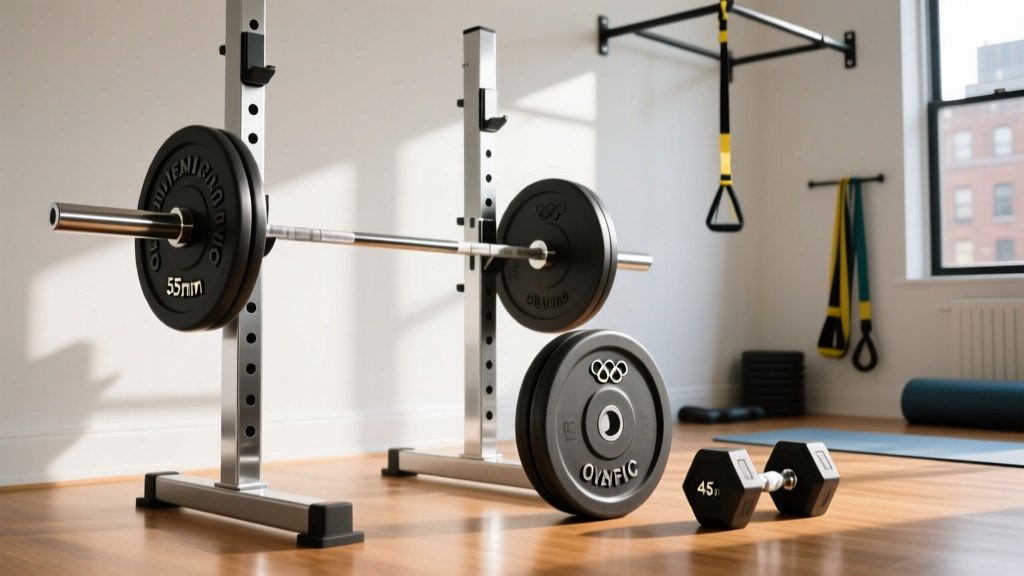
Building or upgrading a home gym in 2026 requires navigating one of the most fundamental equipment divides in the fitness industry: the 1-inch standard plate versus the 2-inch Olympic plate. While beginners often gravitate toward standard weight plate types due to lower upfront costs, serious lifters quickly realize that Olympic sizing is the global standard for durability, safety, and biomechanical consistency. According to comprehensive equipment analyses by BarBend, the choice between these two sizing standards dictates not only your barbell purchases but also your rack compatibility, dumbbell handles, and isolation movement mechanics.
Before diving into the biomechanical nuances of isolation exercises, we must establish the hard specifications that separate these two categories.
| Specification | Standard Plates (1-Inch) | Olympic Plates (2-Inch) |
|---|---|---|
| Center Hole Diameter | 1.03 inches (approx. 26mm) | 1.97 inches (exactly 50mm) |
| Barbell Sleeve Compatibility | 1-inch solid steel bars | 50mm rotating Olympic sleeves |
| Max Weight Capacity (Bar) | 200 - 350 lbs (yields/bends) | 500 - 1,500+ lbs (tensile steel) |
| 10lb Plate Diameter | ~7.5 inches | ~9.0 inches (varies by brand) |
| Average Cost per Pound (2026) | $1.20 - $1.80 / lb | $2.00 - $5.50 / lb |
Biomechanics and Gear: The Dumbbell Peck Fly Dilemma
Most buying guides stop at barbell compatibility, but true equipment expertise requires understanding how plate dimensions affect isolation movements. Consider the dumbbell peck fly (a common phonetic spelling and search variation for the pectoral dumbbell fly). This movement is a staple for sternal pectoralis major hypertrophy, relying heavily on the eccentric stretch at the bottom of the range of motion (ROM). As noted by exercise mechanics databases like ExRx.net, the stretched position is where the most muscle damage and subsequent growth occur.
Here is where your choice of plate type drastically alters your training:
The Diameter Problem in Isolation Movements
If you are using adjustable dumbbells for the dumbbell peck fly, the physical diameter of the plates dictates your bottom-end range of motion.
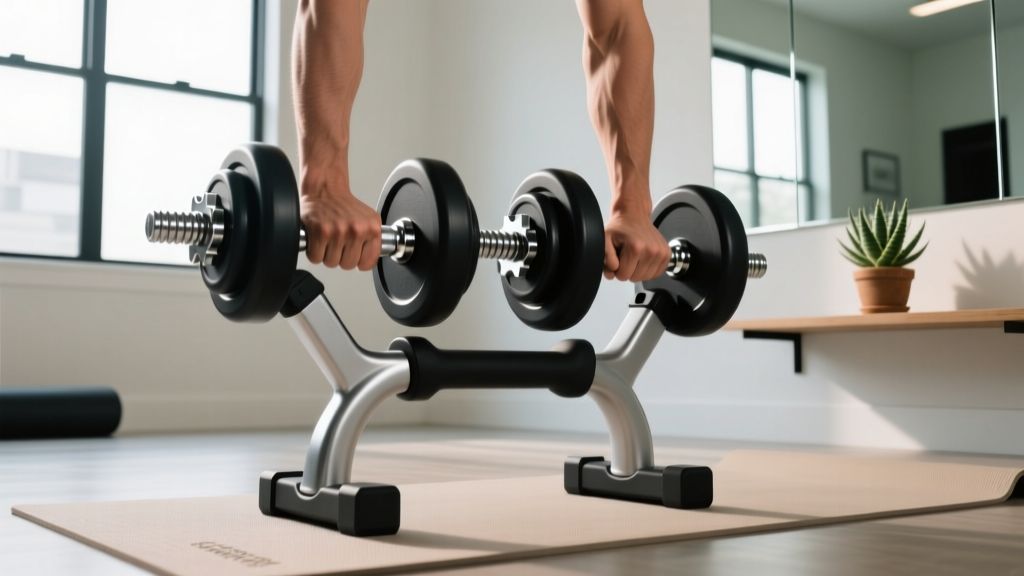
- Standard Spinlock Dumbbells: A standard 10lb cast iron plate has a diameter of roughly 7.5 inches. Because the plates are smaller, your hands can travel deeper past the plane of your torso, allowing for a maximal eccentric stretch of the pecs before the plates physically strike the floor or the sides of a flat bench.
- Olympic Dumbbell Handles: Olympic dumbbell handles accept 2-inch plates. However, a 10lb or 15lb Olympic plate is significantly wider in diameter (often 9+ inches) to maintain a consistent size gradient or because of thicker rubber/urethane casing. When performing a dumbbell peck fly with these larger-diameter plates, the hardware will hit the bench or floor prematurely, robbing you of the deepest 15-20% of the stretch.
Expert Insight: The Adjustable Dumbbell Workaround
If you are committed to an Olympic home gym ecosystem but want to optimize the dumbbell peck fly, avoid using standard Olympic dumbbell handles with lightweight, large-diameter plates. Instead, invest in a high-end selectorized adjustable dumbbell set (like the Nuobell or PowerBlock Elite series). These utilize compact, blocky steel housings that mimic the small profile of standard plates, allowing for a full stretch without the wobbling inherent to spinlock or Olympic sleeve dumbbells.
Material Science: Cast Iron, Rubber, and Urethane
Beyond the 1-inch vs. 2-inch divide, the material composition of your weight plates dictates their lifespan, odor, and acoustic footprint in a home gym.
1. Bare Cast Iron (Standard & Olympic)
The traditional choice. Cast iron plates are highly durable and offer the thinnest profile, allowing you to load more weight onto a barbell sleeve. However, they are prone to surface rust if kept in a humid garage gym. In 2026, high-quality machined cast iron Olympic plates (like the Rogue Deep Dish) cost around $2.50 to $3.00 per pound. Standard cast iron is cheaper but often suffers from inaccurate weight calibration, sometimes varying by 5-10% from the stated weight.
2. Virgin Rubber (Olympic)
Rubber-coated Olympic plates protect your flooring and reduce noise when dropped. However, budget rubber plates (often found in big-box stores) are notorious for off-gassing a toxic, tire-like odor that can linger in a poorly ventilated room for months. Always look for "virgin rubber" or natural rubber formulations from reputable brands to avoid this.
3. Urethane (Premium Olympic)
Urethane is the gold standard for commercial and high-end home gyms. It is virtually odorless, highly resistant to UV degradation, and absorbs impact better than rubber. Urethane Olympic plates command a premium, typically ranging from $4.00 to $5.50 per pound, but they will easily outlast the lifter.
"Never drop standard 1-inch cast iron plates or standard barbells. The 1-inch solid steel bars lack the tensile strength and rotational sleeves of Olympic bars, meaning the shockwave of a drop transfers directly into the bar's weak points, leading to catastrophic bending or snapping."
Rack and Bench Compatibility Matrix
Your plate choice forces your hand regarding the rest of your equipment ecosystem. Standard equipment is generally rated for lighter loads and features narrower dimensions.
- Power Racks & Squat Stands: Almost all modern, safe power racks are designed for 7-foot Olympic barbells. The catch arms and J-cups are spaced to accommodate the 51.5-inch distance between the collars of an Olympic bar. Standard bars are shorter and narrower, often slipping off standard J-cups or failing to reach the safety catches.
- Weight Benches: Standard benches often feature a leg-curl/extension attachment that accepts 1-inch pegs. Olympic benches use 2-inch pegs and are built with heavier-gauge steel to support the dynamic loading of 500+ lb barbell lifts.
- Storage Trees: Standard weight trees have 1-inch pegs. If you buy Olympic plates, they will simply slide off the pegs or fail to fit entirely. Always match your storage solution to your plate hole diameter.
The 2026 Buyer’s Decision Framework
Use this step-by-step framework to finalize your purchase:
- Assess Your Strength Ceiling: If you realistically plan to squat, deadlift, or bench press over 250 lbs in the next three years, skip standard plates entirely. The 300 lb weight limit of most standard barbells will become a safety hazard.
- Evaluate Your Space & Flooring: If you are lifting in an apartment or over finished hardwood, invest in Olympic Urethane or Bumper plates to mitigate acoustic and physical impact.
- Isolate Your Hypertrophy Needs: If your primary goal is bodybuilding and you rely heavily on movements like the dumbbell peck fly, lateral raises, and tricep extensions, ensure your adjustable dumbbell solution utilizes compact plates to preserve your range of motion.
- Calculate the True Cost: A 300 lb standard plate set might cost $150, while a 300 lb Olympic urethane set will cost upwards of $1,000. However, Olympic plates retain 60-70% of their resale value on the used market, whereas standard plates are nearly impossible to resell at a premium.
Frequently Asked Questions
Can I use an adapter to put Olympic plates on a standard bar?
No. The physics do not work in reverse. While you can buy cheap plastic sleeves to adapt standard plates to an Olympic bar (though this is highly discouraged due to slop and imbalance), you cannot fit a 2-inch Olympic plate onto a 1-inch standard bar.
Are bumper plates considered Olympic or Standard?
All legitimate bumper plates are Olympic (2-inch / 50mm). Bumper plates are designed to be dropped from overhead during Olympic weightlifting movements, requiring the heavy-duty steel sleeves and rotating bearings found only on Olympic barbells.
Why do standard plates feel harder to balance on a dumbbell?
Standard spinlock dumbbells rely on a threaded collar and a star nut to secure 1-inch plates. Because the tolerances on mass-produced standard plates are often loose, the plates can wobble or shift during complex movements like the dumbbell peck fly, forcing your stabilizer muscles to overcompensate and potentially ruining the mind-muscle connection.
More gear to consider
All reviews
Loadable Dumbbell Maintenance for a Flawless One Armed Dumbbell Row
Best Loadable Dumbbells for a Core Workout With Dumbbells

Maximize Home Gym Space With a Loadable Dumbbell Interchange Setup
Olympic Barbell Guide: Weight, Knurling & Forearms Workout Dumbbells
Best Adjustable Dumbbells for Arm and Shoulder Exercises