
Olympic vs Standard Plates for the Athlean X Dumbbell Workout PDF
Comparing Olympic vs standard weight plates to build the ideal home gym for the Athlean X dumbbell workout PDF. Discover which 1-inch or 2-inch setup wins.

The Home Gym Dilemma: Equipping for High-Level PDF Programs
When you first open your Athlean X dumbbell workout pdf, the exercise list looks deceptively simple. Jeff Cavaliere’s programming is famous for relying on precise tempos, eccentric overloads, and unilateral movements that expose muscular imbalances. However, executing a high-tier hypertrophy program at home requires gear that mimics the biomechanics of a commercial gym. This brings us to the most critical fork in the road for home gym owners in 2026: choosing between standard (1-inch) and Olympic (2-inch) weight plates and dumbbell handles.
While adjustable dumbbells like the PowerBlocks or Bowflexts are popular, many serious lifters prefer plate-loaded dumbbell handles for their durability, balanced weight distribution, and ability to micro-load. But which plate ecosystem should you invest in? According to BarBend's comprehensive guide on weight plate standards, the choice between standard and Olympic isn't just about the hole size—it dictates your grip mechanics, maximum load capacity, and long-term equipment scalability.
The Athlean X Context: Why Grip and Sleeve Length Matter
Programs like the Athlean X dumbbell workout pdf heavily feature exercises like Heavy Dumbbell RDLs, Bulgarian Split Squats, and Deficit Reverse Lunges. These movements require heavy loads and deep ranges of motion. Standard dumbbell handles often feature short sleeves and thin, unknurled grips, leading to premature grip failure before your target muscles (like the hamstrings or glutes) reach true muscular failure. Olympic setups solve this biomechanical bottleneck.
Head-to-Head Comparison Matrix: Standard vs. Olympic
To understand the physical differences, we must look past the marketing terms "1-inch" and "2-inch." In reality, standard plates have a 25mm center hole, while Olympic plates feature a 50.4mm center hole. Below is a detailed breakdown of how these two ecosystems compare for dumbbell training.
| Feature | Standard (1-Inch) | Olympic (2-Inch) |
|---|---|---|
| Center Hole Diameter | 25mm (Approx. 1 inch) | 50.4mm (Approx. 2 inches) |
| Handle Grip Diameter | 25mm - 28mm (Often smooth) | 28mm - 32mm (Usually knurled) |
| Sleeve Length (Per Side) | 6 to 8 inches | 10 to 16 inches |
| Max Load Capacity (Per DB) | ~45 to 60 lbs | 100 to 150+ lbs |
| Average Cost Per Pound (2026) | $1.00 - $1.30 / lb | $1.50 - $2.50 / lb |
| Plate Compatibility | Standard bars only | Olympic bars, sleds, and machines |
Biomechanics and the PDF Program: Exercise Compatibility
If you are strictly following a structured PDF program, equipment limitations can force you to alter your form, reducing the efficacy of the workout. Here is how standard and Olympic setups handle the rigorous demands of advanced dumbbell training.
1. Heavy Romanian Deadlifts (RDLs) and Grip Fatigue
In any serious hypertrophy program, RDLs are a staple. When using standard dumbbell handles (like the widely available CAP Barbell CDR-10), the grip diameter is exactly 1 inch (25mm). While this seems manageable, the lack of aggressive knurling and the thin diameter force your forearm flexors to work overtime to prevent the handle from rolling in your palm. According to Garage Gym Reviews, grip fatigue on thin, smooth handles often becomes the limiting factor on heavy pulls, robbing your hamstrings of the intended stimulus.
Olympic dumbbell handles, conversely, feature a 28mm to 32mm shaft with medium-to-deep knurling. This thicker grip distributes the pressure across a wider surface area of the hand, drastically reducing localized nerve compression and allowing you to hold heavy loads for the slow, 3-second eccentrics prescribed in the Athlean X dumbbell workout pdf.
2. The Sleeve Space Problem on Unilateral Pressing
Consider the Single-Arm Floor Press or Heavy Goblet Squat. To load a standard dumbbell to 50 pounds, you need to stack multiple 10lb and 5lb cast iron plates onto a 7-inch sleeve. The plates will physically max out the sleeve, leaving no room for a secure spin-lock collar. If the collar is loose, plates can shift during the movement, altering the center of gravity and risking a wrist sprain.
Olympic loadable dumbbell handles (such as the Rogue Fitness loadable systems or standard Olympic handles with 12-inch sleeves) allow you to use fewer, wider plates or even fractional change plates, securing them tightly with spring collars or machined clamps. This ensures the weight remains perfectly balanced during complex, multi-planar movements.
Cost Analysis: Building a 60lb Dumbbell Set in 2026
Let’s look at the real-world financial investment required to build a pair of 60-pound dumbbells, a common weight range needed for intermediate lifters progressing through a 12-week PDF hypertrophy block.
- The Standard Route:
- 2x Standard Spin-lock Handles (Cast Iron): ~$35.00
- 4x 10lb Standard Plates ($1.20/lb): ~$48.00
- 4x 5lb Standard Plates ($1.30/lb): ~$26.00
- 4x 2.5lb Standard Plates ($1.50/lb): ~$15.00
- Total Estimated Cost: $124.00
- The Olympic Route:
- 2x Olympic Loadable Dumbbell Handles (Machined Steel): ~$160.00
- 4x 10lb Olympic Bumper/Iron Plates ($1.80/lb): ~$72.00
- 4x 5lb Olympic Plates ($2.20/lb): ~$44.00
- 4x 2.5lb Olympic Fractional Plates ($3.00/lb): ~$30.00
- Total Estimated Cost: $306.00
Analysis: The standard setup is undeniably cheaper upfront. However, the standard ecosystem is a "dead end." Once you surpass 60 pounds per hand, you cannot physically fit more plates on a standard handle. You will be forced to sell your standard plates at a loss and rebuy Olympic plates. The Olympic setup requires a higher initial capital outlay but offers infinite scalability up to 100+ pounds per hand.
"The biggest mistake home gym owners make is buying standard weight plates to save $100 today, only to realize 18 months later that they need to spend $800 to upgrade their entire plate ecosystem when their strength outgrows the 1-inch sleeves."
Space, Storage, and the Home Gym Footprint
When designing your workout space, storage is a critical factor. Standard cast iron plates are generally smaller in diameter than Olympic plates of the same weight, simply because the center hole removes less material. However, Olympic plates offer superior storage solutions.
Standard Storage
Standard plates are usually stored on simple A-frame racks or horizontal pegs. Because the 1-inch hole is small, sliding them onto a peg loaded with multiple plates can cause the paint to chip and the metal to grind, creating rust spots over time. Furthermore, standard plates are rarely compatible with modern weight trees or sleds.
Olympic Storage
The 2-inch Olympic hole is standardized globally. This means your plates will seamlessly fit on vertical weight trees, wall-mounted racks, barbell collars, and plate-loaded leg press attachments. The larger center hole also makes gripping and carrying heavy 45lb plates significantly easier and safer for your fingers.
The Verdict: Which Setup Fits Your Training Style?
If your goal is to execute a high-performance program like the Athlean X dumbbell workout pdf with strict adherence to tempo, load progression, and joint safety, Olympic plates and handles are the undisputed winner. The thicker, knurled grips prevent grip fatigue from limiting your heavy lower-body and back movements, while the extended sleeves allow for safe, secure loading of heavy weights.
Choose Standard (1-Inch) If:
- You are on a strict budget under $150.
- You are a beginner who will not exceed 45 lbs per dumbbell for the next 2+ years.
- You are outfitting a temporary space (like a college dorm) and need lightweight, easily transportable cast iron.
Choose Olympic (2-Inch) If:
- You are an intermediate to advanced lifter following structured PDF hypertrophy or strength programs.
- You plan to eventually buy an Olympic barbell, power rack, or plate-loaded machines (ensuring your plates serve double-duty).
- You prioritize joint health, grip ergonomics, and equipment longevity.
Frequently Asked Questions
Can I use Olympic plates on a standard dumbbell handle?
No. Olympic plates have a 2-inch (50mm) center hole, which will simply slide right off a 1-inch standard handle. There are adapter sleeves available that slide over a standard bar to accept Olympic plates, but these add bulk, reduce the usable sleeve length, and are highly unsafe for dumbbell movements due to the shifting center of gravity.
Are bumper plates better than cast iron for dumbbell workouts?
For dumbbell training, cast iron or machined steel Olympic plates are vastly superior to bumper plates. Bumper plates have a massive outer diameter (450mm) even at light weights like 10lbs. If you try to do a dumbbell floor press or a deep lunge with 10lb bumper plates, the plates will hit the floor or your body before you reach a full range of motion. Reserve bumpers for your Olympic barbell drops.
What collar should I use for loadable Olympic dumbbells?
Avoid cheap plastic spring collars for heavy dumbbell work. The lateral force of a dumbbell being pressed or rowed can compress a spring collar, allowing plates to slide. Invest in machined aluminum clamp collars (like Rogue HG Collars or Proloc) or specialized loadable dumbbell end-caps that thread or bolt directly onto the sleeve for zero-slip security.
More gear to consider
All reviews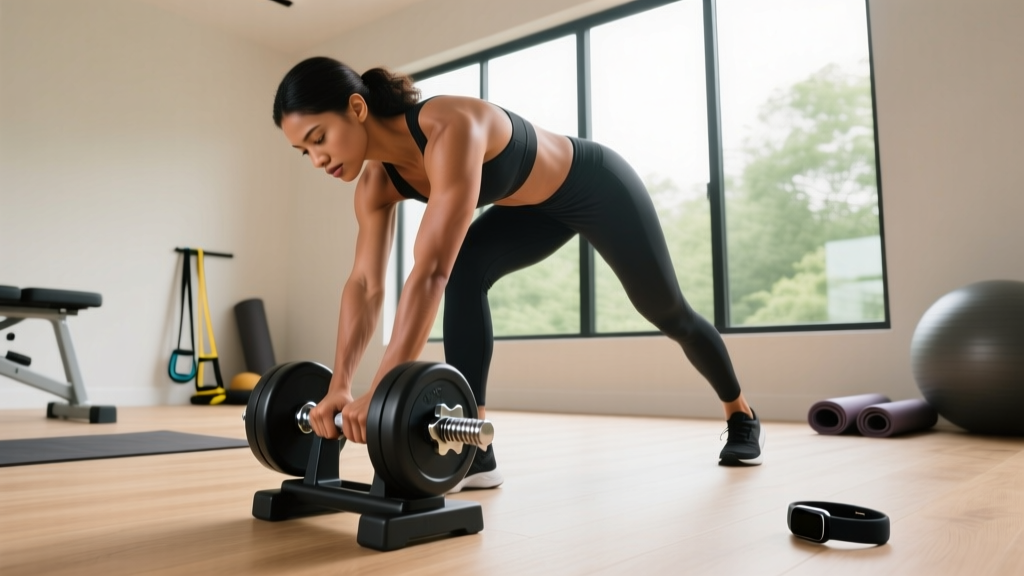
Adjustable Dumbbell Mistakes & Dumbbell Side Bend Benefits Guide

Olympic vs Standard Plates Setup & Back Exercises Dumbbells Only
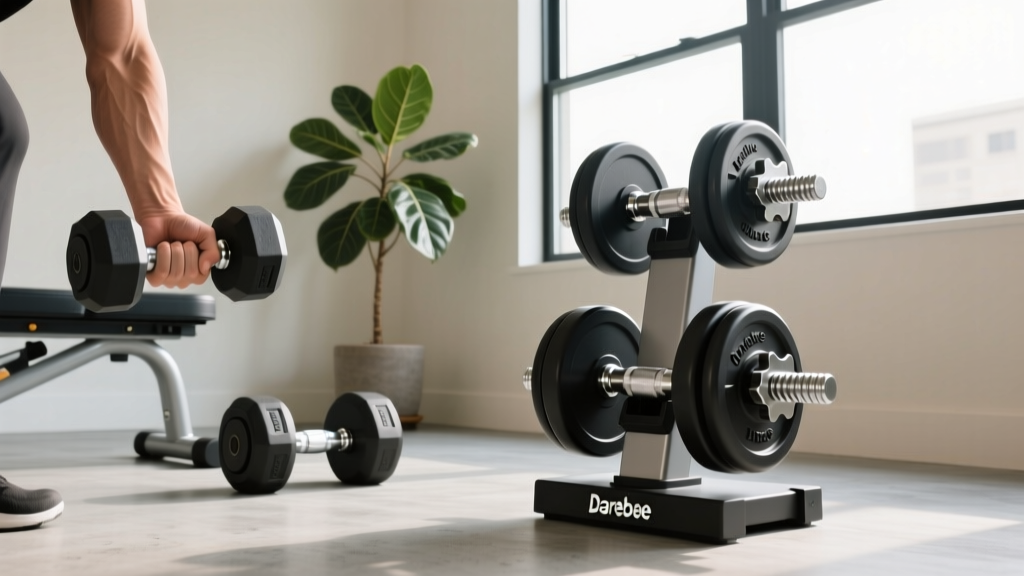
Adjustable Dumbbell Setup for the Perfect Darebee Dumbbell Workout
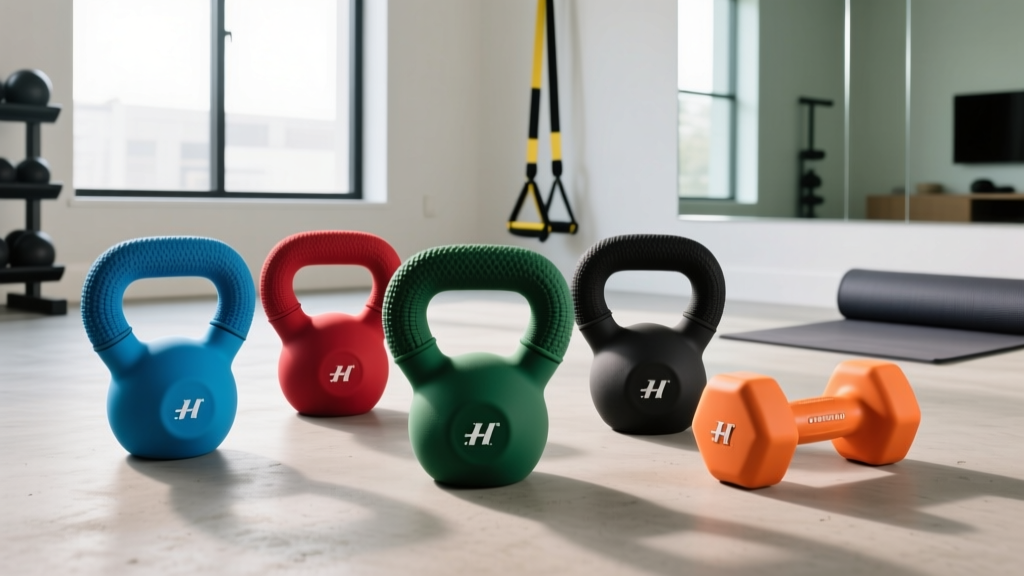
Top Neoprene Dumbbells for Dumbbell Weight Lifting at Home (2026)

Rubber Hex vs Urethane: Value Guide for Dumbbell Pec Workouts
