
Olympic Barbell Guide: Weight, Knurling & Dumbbell Stickers
Master your home gym with our Olympic barbell guide on weight and knurling, plus expert tips on using durable dumbbell stickers for weight organization.

The Foundation: Olympic Barbell Weight and Tensile Strength
Building a elite-tier home gym in 2026 requires an uncompromising approach to your free weight selection. The centerpiece of any rack is the Olympic barbell, but understanding its engineering—specifically weight tolerances and tensile strength—is critical before you even touch the knurling. A standard men's Olympic barbell weighs exactly 20kg (44.09 lbs) and features a 28mm to 29mm shaft diameter. Women's Olympic bars weigh 15kg (33.07 lbs) with a thinner 25mm shaft, while specialty bars like the 25kg (55lb) power bars are gaining traction for advanced lifters seeking zero-whip stability.
Data Highlight: Tensile vs. Yield StrengthDo not confuse tensile strength with yield strength. Tensile strength (measured in PSI) is the maximum stress the steel can withstand before snapping. Look for a minimum of 190,000 PSI for general use, and 215,000+ PSI for heavy powerlifting. Yield strength is the point at which the bar bends and will not return to its original straight shape. A high-quality 215k PSI barbell will cost between $250 and $400, while elite 230k+ PSI bars push past $700.
Decoding Knurling Profiles: Hill, Mountain, and Volcano
The knurling is your only physical connection to the barbell. According to Barbend's comprehensive knurling guide, the shape of the knurl peaks drastically alters grip security and skin tearing. Manufacturers use a knurling wheel to cut the steel, and the geometry of that wheel dictates the profile.
| Profile Type | Geometry & Feel | Best Use Case | Example Model |
|---|---|---|---|
| Hill | Rounded peaks, shallow valleys. Smooth and forgiving. | High-rep Olympic lifting, beginner grip training. | Eleiko Sport Training Bar |
| Mountain | Sharp, aggressive peaks. Bites deeply into the skin. | Heavy 1-3 rep max powerlifting, deadlifts. | Rogue Ohio Power Bar |
| Volcano | Sharp peaks with the very tip machined off, creating a crater. | Versatile; grips heavily without tearing calluses. | Rep Fitness Excalibur |
2026 Barbell Market: Top Picks by Knurl Type
- The Versatile Workhorse ($295): The Rogue Ohio Bar features a moderate volcano/hybrid knurl that handles everything from bench pressing to high-rep cleans without shredding your hands.
- The Aggressive Puller ($349): The Rep Fitness Excalibur utilizes a deep, true volcano knurl and a unique 28.5mm shaft, offering the ultimate compromise between deadlift grip and pressing comfort.
- The Elite Competition Bar ($950+): The Eleiko Sport Training Bar uses a proprietary Swedish steel and a refined hill knurl that provides tactile feedback without requiring excessive chalk.
Beyond the Bar: Organizing with Dumbbell Stickers
While the barbell demands tactile precision, the rest of your free weight rack demands visual and organizational clarity. As home gyms evolve in 2026, lifters are increasingly moving away from cheap, painted cast-iron dumbbells where the weight indicators chip and fade within months. This is where high-quality dumbbell stickers become an essential investment for both aesthetics and workout efficiency.
Whether you are labeling a mismatched set of used rubber hex dumbbells, marking custom 3D-printed weight increments, or updating the faded numbers on an older set of Ironmaster Quick-Lock adjustable dumbbells, precision-cut dumbbell stickers solve the problem of illegible weights. Unlike the aggressive knurling on your barbell, dumbbell stickers require a smooth, non-porous surface to adhere properly.
Material Science: Why Standard Vinyl Fails
Most cheap weight labels found online are printed on standard calendared vinyl with water-based adhesives. In a gym environment—exposed to magnesium carbonate (chalk), acidic sweat, and UV sunlight from garage windows—standard vinyl will shrink, peel, and leave a sticky residue within 90 days.
"To ensure dumbbell stickers survive years of drops and chalk dust, you must source labels printed on cast polycarbonate or overlaminated vinyl, backed by an industrial acrylic adhesive like 3M VHB. Standard office-supply stickers will destroy your equipment's resale value." — Equipment Maintenance Specialists at Garage Gym Reviews
Premium dumbbell stickers utilize 3M VHB (Very High Bond) tape technology, which creates a viscoelastic bond that actually strengthens over time and absorbs the shock of dumbbells being dropped onto rubber mats. Expect to pay between $25 and $45 for a full, die-cut set (e.g., 5lb to 50lb increments) featuring polycarbonate face stock.
Step-by-Step: Applying Dumbbell Stickers for Longevity
Applying dumbbell stickers to cast iron, rubber, or urethane requires meticulous surface preparation. Follow this protocol to ensure a permanent bond:
- Surface Degreasing: Wipe the flat end of the dumbbell with 90% isopropyl alcohol. Do not use standard household cleaners, as they leave a silicone residue that prevents adhesion.
- Abrasion (For Cast Iron Only): Lightly scuff the painted end of the dumbbell with 400-grit sandpaper to create a micro-texture for the adhesive to grip, then re-clean with alcohol.
- Application Temperature: Ensure the dumbbells and the stickers are at room temperature (minimum 65°F / 18°C). Cold steel will cause the adhesive to crystallize and fail.
- Pressure Activation: 3M VHB adhesives are pressure-sensitive. Once the dumbbell sticker is aligned, press firmly from the center outward, applying at least 15 PSI of pressure using a plastic squeegee or your thumb.
- The Cure Time: Do not use the dumbbells for 24 to 48 hours. The adhesive requires time to flow into the microscopic imperfections of the dumbbell surface to achieve maximum holding power.
Frequently Asked Questions
Can I use dumbbell stickers on rubber hex dumbbells?
Yes, but with a caveat. Rubber is porous and often contains mold-release oils from the manufacturing process. You must clean the rubber thoroughly with a dedicated degreaser and alcohol before applying polycarbonate dumbbell stickers. For best results on rubber, look for stickers featuring a high-tack, rubber-specific adhesive rather than standard acrylic.
Does a center knurl matter for my Olympic barbell purchase?
If you primarily train in powerlifting or general strength, a center knurl (especially a 1.0mm to 1.5mm deep volcano profile) is crucial for keeping the bar anchored to your upper back during heavy low-bar squats. If you focus on CrossFit, Olympic weightlifting, or high-rep front squats, opt for a bar with no center knurl or a very passive hill center knurl to prevent scraping your collarbones during cleans.
How do I remove old, faded dumbbell stickers without damaging the iron?
Apply a citrus-based adhesive remover (like Goo Gone or a dedicated 3M citrus cleaner) to the edges of the sticker and let it sit for 10 minutes. Use a plastic razor blade—never metal, which will gouge the cast iron or strip the factory paint—to lift the edge. Slowly peel at a 45-degree angle while applying heat from a hairdryer to soften the VHB bond.
More gear to consider
All reviews
Beyond the 15 Minute Dumbbell Workout: 2026 Kettlebell Market Guide
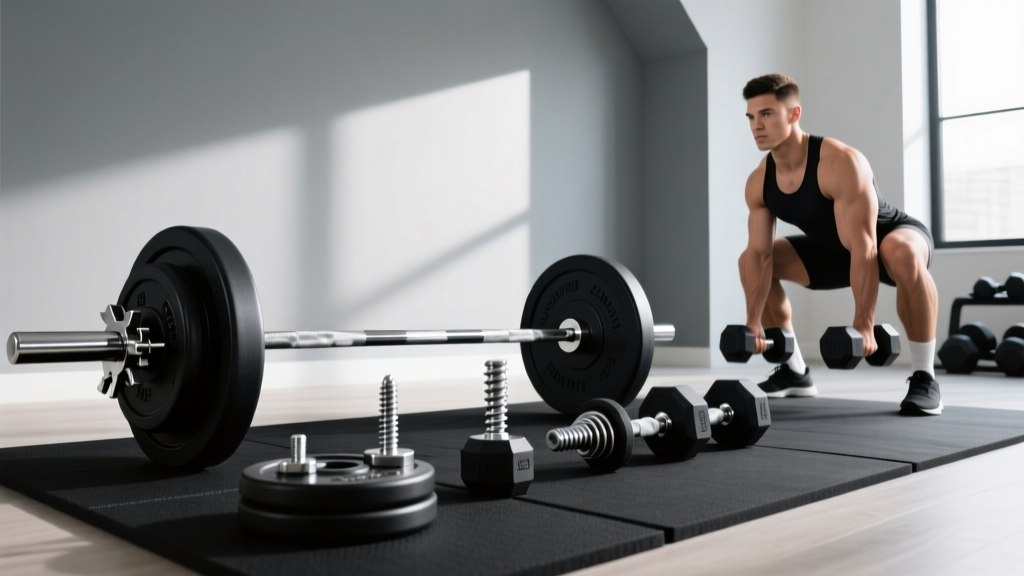
Barbell Collar Types & Squats with One Dumbbell Safety

Top Picks for Wrist Workouts With Dumbbells: Rubber Hex vs Urethane

Barbell Collar Clamp Types & Dumbbell Front Raise Muscles Worked

Olympic Barbell Weight: Upgrading the Bent Over Dumbbell Row Female
