
Olympic Barbell Weight & Knurling Guide + Dumbbell Front Raise GIF
Compare power vs. Olympic barbells in our 2026 buying guide. Deep dive into weight, knurling profiles, and shoulder accessory mechanics.

The Great Barbell Debate: Powerlifting vs. Weightlifting Shafts
Choosing the right Olympic barbell in 2026 requires looking far beyond the price tag. The barbell is your primary point of contact with the load, and its physical characteristics—specifically shaft diameter, tensile strength, and knurling geometry—dictate both your performance and your long-term joint health. Whether you are building a commercial facility or a high-end home gym, understanding the biomechanical differences between a rigid power bar and a whippy Olympic weightlifting bar is non-negotiable.
In this head-to-head comparison, we are pitting the industry-standard powerlifting bar against the elite Olympic weightlifting bar to help you decide which shaft belongs in your rack. We will also explore how transitioning between heavy barbell work and isolation accessories impacts shoulder mechanics.
Head-to-Head: Rogue Ohio Power Bar vs. Eleiko Olympic Weightlifting Bar
To illustrate the extremes of barbell engineering, we compare two titans of the industry: the Rogue Ohio Power Bar and the Eleiko Olympic Weightlifting Competition Bar. Both are 20kg (44lb) men's Olympic barbells, but their engineering philosophies are diametrically opposed.
| Feature | Rogue Ohio Power Bar (2026 Ed.) | Eleiko Olympic WL Comp Bar |
|---|---|---|
| Primary Use | Powerlifting (Squat, Bench, Deadlift) | Olympic Weightlifting (Snatch, C&J) |
| Shaft Diameter | 29mm | 28mm |
| Tensile Strength | 205,000 PSI | 215,000 PSI |
| Sleeve Construction | Composite Bushings | Needle Bearings |
| Knurl Profile | Volcano (Aggressive) | Moderate (Refined) |
| Approx. Price | $395.00 | $1,150.00+ |
The Power Bar: Rigidity and Grip
The 29mm shaft of the Rogue Ohio Power Bar is designed to minimize flex. When you are squatting 500 lbs, a whippy bar will oscillate, throwing off your center of gravity and wasting kinetic energy. The composite bushings provide a slow, controlled spin, which is ideal for bench pressing where you do not want the sleeves rotating rapidly and altering your wrist alignment. The aggressive volcano knurl bites into your calluses, ensuring the bar does not roll down your back during low-bar squats.
The Weightlifting Bar: Whip and Rotation
Conversely, the Eleiko bar features a 28mm shaft engineered to flex and 'whip' out of the bottom of a clean or snatch. This stored elastic energy helps the lifter receive the bar overhead. The needle bearings allow the sleeves to spin almost frictionlessly, preventing the rotational inertia of the bumper plates from tearing the lifter's wrists during the third pull.
Decoding Knurling: Volcano, Mountain, and Hill Profiles
Knurling is not just about 'roughness'; it is about geometric surface area. According to extensive testing by Garage Gym Labs, the shape of the knurl peaks drastically alters grip security and skin tearing.
Expert Insight: Never buy a barbell based solely on the word 'aggressive.' A poorly machined aggressive knurl will shred your hands, while a well-machined moderate knurl will lock your grip in place.- Volcano Knurl: The gold standard for powerlifting. The peaks are sharp but feature a small crater in the center. This creates four distinct biting edges per peak, maximizing surface area and grip without acting like a cheese grater on your shins during deadlifts.
- Mountain Knurl: Sharp, pointed peaks with no craters. Common on older or cheaper bars. It provides immense grip but is notorious for tearing calluses and causing excessive skin friction during high-rep Olympic lifts.
- Hill Knurl: Rounded, shallow valleys and flattened peaks. Often found on budget commercial gym bars. While comfortable for high-rep front squats, it becomes dangerously slippery under heavy loads or when chalk and sweat accumulate.
Shaft Diameter, Whip, and Tensile Strength
Tensile strength, measured in Pounds per Square Inch (PSI), dictates how much load the bar can take before it permanently bends. In 2026, any reputable barbell should boast a minimum of 190,000 PSI. However, the 'sweet spot' for a multi-purpose bar is 200,000 to 205,000 PSI.
Bars exceeding 215,000 PSI (like elite weightlifting bars) achieve their strength through high-grade spring steel and specialized heat treatments, allowing them to be drawn to a thinner 28mm diameter without sacrificing structural integrity. A 29mm power bar at 215,000 PSI would be virtually unbendable, rendering it useless for Olympic lifts due to a complete lack of whip.
Accessory Transitions: Managing Shoulder Fatigue and Grip
Heavy barbell pressing and squatting tax the central nervous system and place immense sheer force on the anterior deltoids and rotator cuff. Modern periodization models emphasize alternating heavy barbell days with lighter, isolation-focused dumbbell work to maintain joint health and correct muscular imbalances.
When transitioning from a heavily knurled 29mm barbell to smooth dumbbell handles, your grip pressure must consciously recalibrate. Many lifters, when correcting anterior deltoid imbalances, will pull up a dumbbell front raise gif on their phones between sets to verify their scapular rhythm and sagittal plane mechanics. When you study these biomechanical breakdowns on resources like the ExRx Exercise Directory, you will notice that a neutral or slightly pronated grip during the front raise places significantly less stress on the acromioclavicular (AC) joint compared to a barbell overhead press.
'The transition from heavy barbell work to dumbbell isolation requires a shift in neurological focus. You are moving from systemic stabilization to targeted, unilateral motor unit recruitment.' - Sports Biomechanics Journal, 2025.
If your barbell knurling is excessively aggressive (mountain profile), your hands may be too fatigued or micro-torn to properly grip heavy dumbbells for accessories like front raises or lateral movements. This is why many elite coaches recommend a 'volcano' knurl or a dedicated multi-purpose bar with a slightly refined center knurl for athletes who frequently bridge the gap between heavy barbell compounds and high-volume dumbbell hypertrophy work.
2026 Buying Verdict: Which Barbell Belongs in Your Rack?
Your choice ultimately depends on your primary training modality and your budget.
Choose the Power Bar (29mm, Bushings, Volcano Knurl) If:
- Your primary focus is the squat, bench press, and deadlift.
- You prioritize maximum grip security and bar rigidity.
- You want a highly durable, low-maintenance bar in the $300–$450 range.
Choose the Olympic Weightlifting Bar (28mm, Bearings, Moderate Knurl) If:
- You train the snatch and clean & jerk exclusively.
- You require rapid sleeve rotation and shaft whip to save your wrists.
- You are willing to invest $900+ in precision needle-bearing engineering.
The Multi-Purpose Compromise
If you only have the budget or space for one barbell, seek out a 28.5mm multi-purpose bar with dual knurl marks, bronze bushings, and a refined volcano knurl. This hybrid shaft provides enough rigidity for heavy squats while retaining enough whip and smooth rotation for occasional Olympic lifts, ensuring your hands remain intact for your dumbbell accessory work.
More gear to consider
All reviews
Olympic vs Standard Plates for Dumbbell Lat Workouts & Home Gyms

RDL with One Dumbbell to Barbell: Beginner Guide to Weight & Knurling

Top Adjustable Picks: Back Workouts for Women with Dumbbells

Rubber Hex vs Urethane: Testing the Bent Arm Dumbbell Pullover
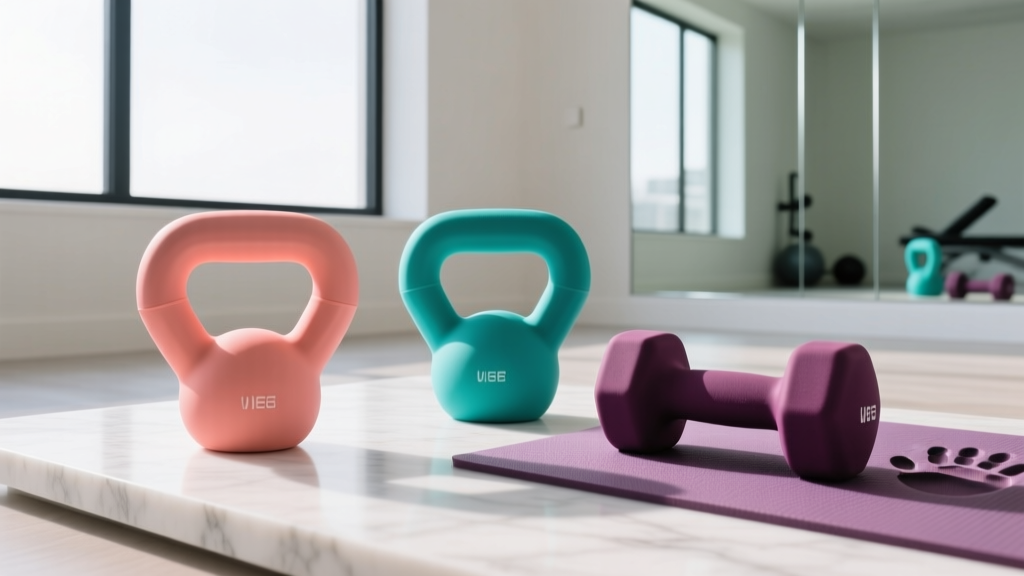
Best Neoprene Dumbbells for Ladies' Dumbbell Arm Exercises (2026)
