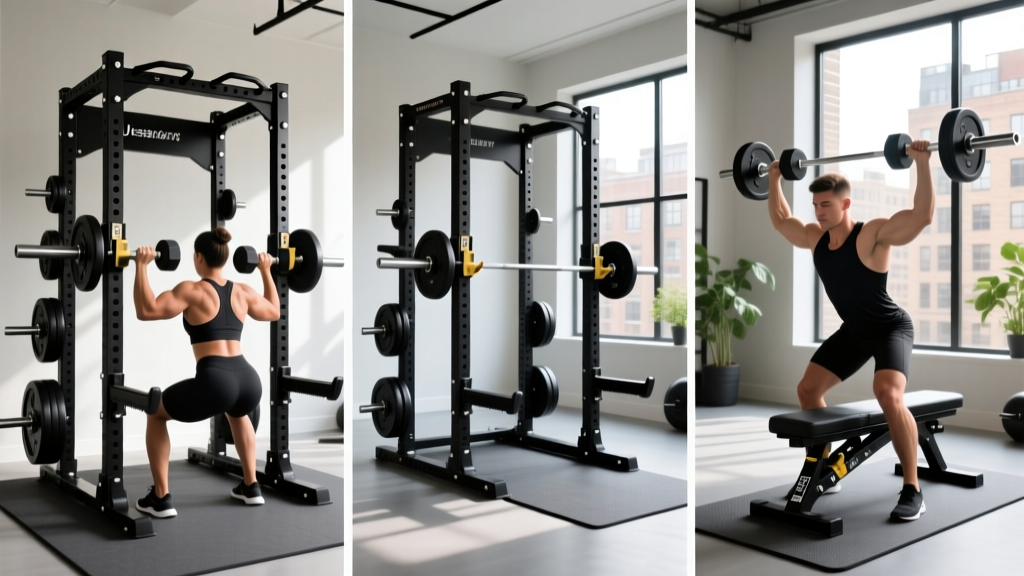
Olympic Barbell Knurling and Weight Guide: Color Dumbbells
Master Olympic barbell weight tolerances and knurling profiles. Plus, learn how to pair your bar with urethane color dumbbells for a complete gym setup.

The Foundation of Heavy Lifting: Decoding Barbell Specifications
Building a high-performance home or commercial gym in 2026 requires looking past marketing jargon and focusing on metallurgy, engineering tolerances, and functional ergonomics. Whether you are outfitting a dedicated powerlifting platform or a multi-purpose athletic facility, your primary lifting implement—the Olympic barbell—dictates the safety and efficacy of your training. But a barbell doesn't exist in a vacuum. To create a truly optimized training ecosystem, lifters must also consider their secondary implements, such as integrating a premium set of urethane color dumbbells for targeted accessory and hypertrophy work. This comprehensive guide breaks down the exact weight tolerances, knurling geometries, and accessory synergies you need to know before making your next equipment investment.
Weight Tolerances: The Hidden Metric of Barbell Quality
Not all 45-pound (20kg) barbells actually weigh 45 pounds. The discrepancy in weight tolerance is often the primary differentiator between a $150 economy bar and a $350+ precision-engineered tool.
Tolerance Tiers Explained
- Economy/Commercial Grade (+/- 1% to 2%): A 20kg bar might weigh anywhere from 19.6kg to 20.4kg. While acceptable for general fitness, this variance can skew progressive overload tracking for elite athletes.
- Calibrated Competition Grade (+/- 10 grams): According to the International Weightlifting Federation (IWF) technical rules, competition-certified barbells must adhere to a strict +/- 10-gram tolerance. Brands like Eleiko and Uesaka achieve this through centerless grinding and rigorous post-manufacturing calibration.
When evaluating a barbell, always check the tensile strength (measured in PSI) alongside the weight tolerance. A high-quality power bar should boast a minimum of 205,000 PSI tensile strength to prevent permanent deformation (whip-bend) during heavy squats. Yield strength, which dictates the exact point the steel permanently bends, is an even more critical but rarely advertised metric. Top-tier manufacturers use proprietary steel blends that yield only after 215,000+ PSI of force.
The Anatomy of Knurling: Hill, Mountain, and Volcano
Knurling is the diamond-patterned machining on the shaft of the barbell that provides grip. However, the geometry of the knurl dictates how the bar feels in your hands. As detailed in the extensive Garage Gym Reviews knurling guide, there are three primary profiles you will encounter in the 2026 market:
1. Volcano Knurling (The Gold Standard for Powerlifting)
Volcano knurling is created when the machining tool cuts deep valleys but leaves a small 'crater' or hole at the peak of the diamond. This results in four distinct edges gripping your skin per diamond, rather than a single sharp point. The Rogue Fitness barbell catalog popularized this with their Ohio Power Bar, offering an aggressive grip that digs into calluses without tearing the skin during high-volume deadlift sessions.
2. Mountain Knurling (Aggressive and Unforgiving)
Mountain knurling features flat-topped or slightly rounded peaks that are densely packed. Older iterations of the Texas Power Bar utilized this style. It feels like a cheese grater and is excellent for heavy, low-rep maximal attempts where chalk is heavily applied, but it will shred your hands during high-rep Olympic variations or front squats.
3. Hill Knurling (Smooth and Olympic-Focused)
Hill knurling features rounded, smooth peaks with shallower valleys. This is the standard for Olympic weightlifting bars (like the Eleiko Sport Training Bar) because the bar needs to spin freely in the hook grip during the snatch and clean & jerk without acting as a belt sander against the lifter's collarbone and thighs.
2026 Barbell Comparison Matrix
| Barbell Model | Tensile Strength | Knurl Profile | Best Use Case | Approx. Price |
|---|---|---|---|---|
| Rogue Ohio Power Bar (Stainless) | 205,000 PSI | Volcano (Aggressive) | Powerlifting, Heavy Compounds | $395.00 |
| Eleiko Sport Training Bar | 215,000+ PSI | Hill (Mild/Smooth) | Olympic Weightlifting, Snatch/C&J | $845.00 |
| Rep Fitness Deep Knurl Power Bar | 200,000 PSI | Volcano (Deep) | General Strength, Budget Powerlifting | $249.99 |
| American Barbell California Bar | 190,000 PSI | Hill (Moderate) | Multi-Purpose, CrossFit, High-Rep | $299.00 |
Accessory Synergy: Integrating Urethane Color Dumbbells
While the barbell is the king of absolute strength, a complete training program requires unilateral accessory work, isolation movements, and metabolic conditioning. This is where investing in a commercial-grade set of urethane color dumbbells becomes a strategic necessity for serious lifters.
Unlike traditional rubber hex dumbbells that off-gas noxious odors and crack over time, premium urethane dumbbells are engineered for high-impact durability and aesthetic organization. Here is why pairing your precision barbell with color-coded urethane dumbbells elevates your gym:
- Shore A Durometer Ratings: High-quality urethane dumbbells measure between 85A and 90A on the Shore A hardness scale. This specific density allows the dumbbell to absorb the shock of being dropped from shoulder height without bouncing dangerously or chipping the flooring.
- Rapid Visual Weight Identification: In a fatigued state during complex supersets, reading tiny white text on a black rubber dumbbell is inefficient. Urethane color dumbbells utilize a standardized color-coding system (often mirroring Olympic plate colors: Red for 25kg/55lb, Blue for 20kg/45lb, Yellow for 15kg/35lb, Green for 10kg/25lb, and Grey/White for lighter increments). This reduces cognitive load and speeds up rest-to-set transitions.
- Knurled Handle Ergonomics: Top-tier urethane sets feature medium-knurl chrome or stainless steel handles that perfectly complement the grip profile of your primary barbell, ensuring your central nervous system adapts to a consistent friction coefficient across all free weight movements.
Bushings vs. Bearings: The Spin Factor
The internal mechanism of the barbell sleeve dictates how the weight plates rotate during a lift.
- Bronze Bushings: Found in power bars (like the Ohio Power Bar). Bushings provide a slower, more controlled spin. This is crucial for heavy squats and bench presses, where a fast-spinning sleeve could cause the plates to shift momentum and destabilize the lifter's wrists.
- Needle Bearings: Found in Olympic weightlifting bars. Bearings allow the sleeve to spin rapidly and independently of the shaft. When a lifter catches a heavy clean, the plates continue to spin, dissipating rotational torque and saving the lifter's wrists from severe sprains.
Maintenance Protocols for Longevity
Even a $900 Eleiko bar or a $1,000 set of color dumbbells will degrade if improperly maintained. Follow this 2026-approved maintenance schedule:
Barbell Shaft Care
Never use WD-40 on your barbell; it attracts dust and degrades the internal lubricants. Instead, use a stiff brass brush (never steel, which will strip zinc or cerakote finishes) to scrub chalk out of the knurling valleys once a week. Follow up with three drops of 3-in-One oil or a specialized barbell oil on a microfiber cloth, wiping down the shaft to displace moisture and prevent oxidation.
Urethane Dumbbell Care
Urethane is highly resistant to UV degradation compared to rubber, but it should still be kept out of direct, prolonged sunlight. Clean the handles with a mild alcohol-based wipe to remove skin oils and chalk, but avoid harsh chemical solvents on the urethane heads, as they can break down the chemical bonds and cause the surface to become sticky over time.
Frequently Asked Questions
Can I use a multi-purpose bar for both powerlifting and Olympic lifting?
Yes, but with compromises. A multi-purpose bar (typically 28.5mm shaft diameter, 190k PSI, with dual knurl marks) offers a middle ground. However, the knurl will not be aggressive enough for heavy deadlifts, and the whip may feel unstable under a 400lb back squat. If budget allows, purchasing a dedicated power bar and a set of color dumbbells for accessory work is a superior investment to a single 'do-it-all' bar.
Why are urethane color dumbbells more expensive than rubber hex dumbbells?
The raw material cost of polyurethane is significantly higher than recycled rubber. Furthermore, the molding process for urethane requires precise temperature controls and longer curing times to achieve the optimal 85A-90A Shore hardness. You are paying for a product that will not smell, will not crack in cold garages, and will survive being dropped repeatedly for over a decade.
What is the ideal shaft diameter for a beginner?
Beginners and lifters with smaller hands should look for a 28mm or 28.5mm shaft. Standard power bars feature a 29mm shaft, which can be fatiguing to hold during high-rep Romanian deadlifts or pulling movements until grip strength and callus development catch up to the lifter's prime movers.
More gear to consider
All reviews
Rubber Hex vs Urethane: Bulgarian Split Squats One Dumbbell Care

EZ Curl Bar vs Straight Bar: Budgeting for Bigger Dumbbell Arms

Glute Workouts at Home with Dumbbells? Cast Iron vs Competition Bells
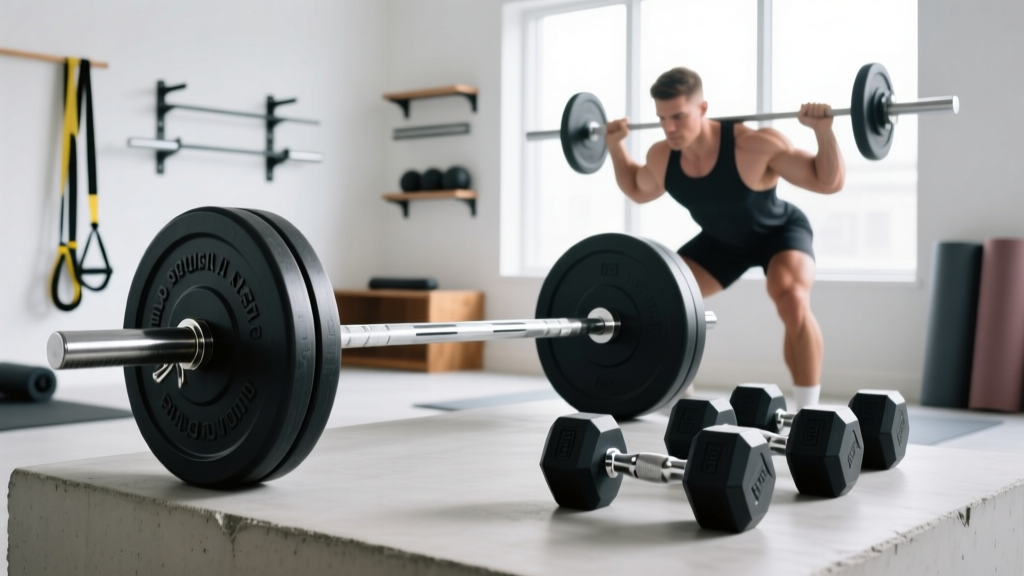
Barbell Knurling Guide & Benefits of Dumbbell Shoulder Press
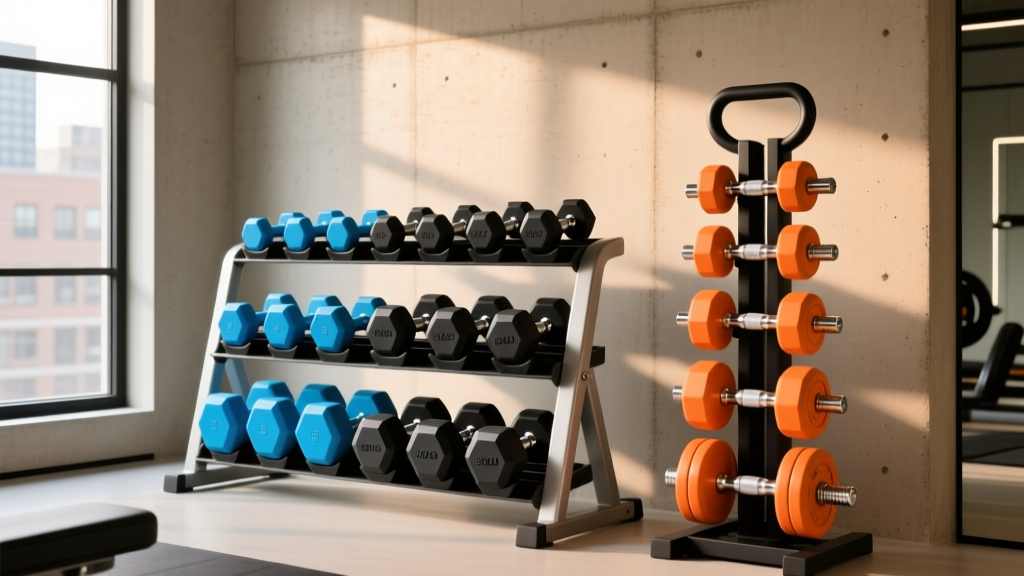
Organizing Your Dumbbell Core: 2026 Rack & Storage Trends