Nike Grind Dumbbell vs Adjustable: Beginner Step-by-Step Guide
Discover if the eco-friendly Nike Grind dumbbell fits your home gym. Our step-by-step guide compares it with top adjustable dumbbells for beginners.

The “Nike Grind Dumbbell” Misconception Explained
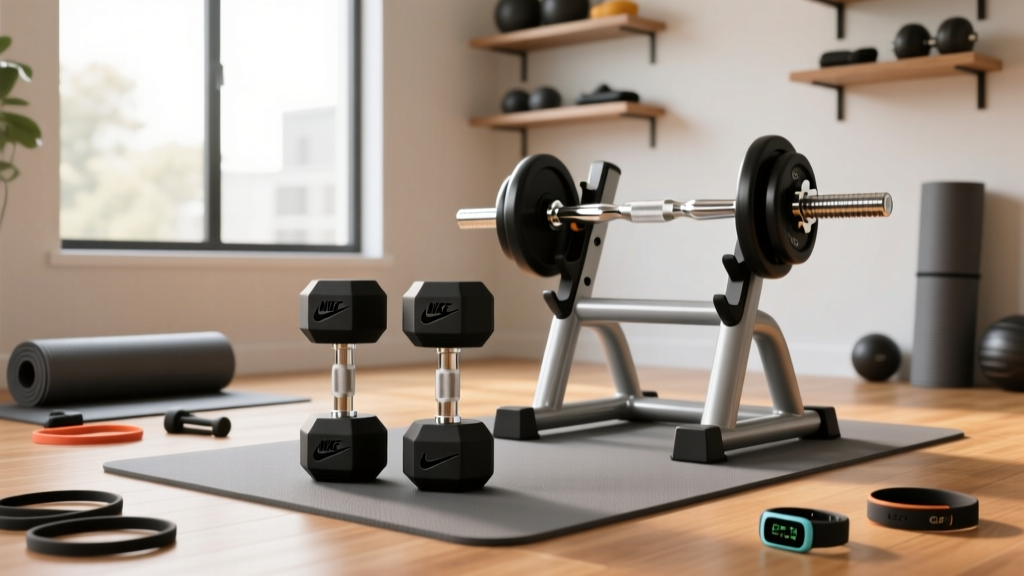
As you begin your home gym journey in 2026, you have likely encountered the trending search term Nike Grind dumbbell across eco-friendly fitness forums and social media. Before you pull out your credit card, it is crucial to understand what this actually means. Nike does not manufacture a proprietary line of adjustable smart-weights or dial-system dumbbells. Instead, “Nike Grind” refers to the brand’s massive end-of-life recycling program, where old athletic shoes and manufacturing scrap are ground down into high-quality rubber granules.
According to Nike’s official Grind sustainability initiative, these recycled rubber granules are sold to third-party commercial manufacturers. In the fitness industry, this material is frequently used to mold the protective outer coatings of fixed hex dumbbells and bumper plates. Therefore, when beginners search for a Nike Grind dumbbell, they are actually looking at fixed-weight, eco-friendly rubber dumbbells—not space-saving adjustable ones.
This brings us to the ultimate beginner’s dilemma: Should you invest in a rack of fixed, eco-coated rubber dumbbells, or should you purchase a single pair of modern adjustable dumbbells? This step-by-step guide will help you decide.
💡 Beginner Insight: Fixed rubber dumbbells are incredibly durable and great for commercial gyms where hundreds of people drop them daily. But for a beginner building a home gym, they present massive spatial and financial hurdles that adjustable dumbbells solve instantly.Step 1: Map Your Footprint and Budget
The first step in choosing your free weights is evaluating your physical space and financial bandwidth. Let us look at the hard data for a standard beginner progression (dumbbells ranging from 10 lbs to 50 lbs in 5-lb increments).
The Fixed Eco-Rubber Route (Nike Grind Material)
- Equipment Needed: 9 pairs of fixed hex dumbbells (10, 15, 20, 25, 30, 35, 40, 45, 50 lbs).
- Space Required: A 6-foot tiered weight rack (approx. 12 square feet of dedicated floor space).
- Estimated Cost (2026 Pricing): $1,200 to $1,800+ depending on the boutique eco-brand.
The Adjustable Dumbbell Route
- Equipment Needed: 1 pair of premium adjustable dumbbells (typically replacing 15 sets of fixed weights).
- Space Required: Less than 1 square foot (fits under a desk or in a closet).
- Estimated Cost (2026 Pricing): $300 to $450.
The Verdict for Step 1: Unless you have a dedicated multi-car garage and an unlimited budget, adjustable dumbbells are the undisputed champion for beginner home gyms.
Step 2: Compare the Top Adjustable Dumbbells
Since adjustable dumbbells are the logical choice for 95% of beginners, let us review the top three models dominating the market this year, comparing their mechanisms, pricing, and real-world usability.
1. Nuobell 80 lb Adjustable Dumbbells
The Nuobell system uses a unique dial mechanism that clicks into a magnetic pin system inside the handle. This allows the weight plates to stack tightly, meaning the dumbbell’s physical length shrinks and grows depending on the weight selected.
- Price: ~$399
- Max Weight: 80 lbs
- Pros: Feels exactly like a traditional gym dumbbell; no bulky plastic casing; compact at lower weights.
- Cons: The handle is slightly thicker than standard, which can fatigue beginners with smaller grip strength during pulling movements.
2. Bowflex SelectTech 552
The Bowflex 552 remains the most recognizable adjustable dumbbell on the market. It utilizes a dual-dial system that engages internal plastic gear tracks to lock the iron plates into the handle.
- Price: ~$349
- Max Weight: 52.5 lbs
- Pros: Extremely intuitive dial system; widely available; smooth weight transitions in 2.5 lb increments at the lower end (crucial for beginner lateral raises).
- Cons: The dumbbell retains its maximum physical length (approx. 15.7 inches) even when you only select 10 lbs, making exercises like renegade rows or goblet squats feel awkward and clunky.
3. PowerBlock Sport 24
PowerBlock abandons the dial entirely in favor of a welded steel cage and a heavy-duty selector pin. You slide the pin into the desired weight tier, and the rest of the cage is left behind on the tray.
- Price: ~$229
- Max Weight: 24 lbs (Base model) / Expandable to 42 lbs or 66 lbs with add-on kits.
- Pros: Virtually indestructible; the most compact footprint when stored.
- Cons: The square, blocky cage design restricts natural wrist rotation, making movements like Arnold presses or hammer curls uncomfortable for beginners.
Step 3: Analyze Failure Modes and Edge Cases
A critical part of buying fitness gear is understanding how it breaks. Here is where the adjustable vs. fixed (Nike Grind) debate gets interesting from an engineering perspective.
| Equipment Type | Primary Failure Mode | Real-World Edge Case |
|---|---|---|
| Fixed Eco-Rubber (Nike Grind) | Material degradation | Recycled rubber off-gasses initially. If stored in an unclimate-controlled garage exposed to direct UV sunlight and high ozone levels, the rubber can dry-rot, crack, and flake over 3-5 years. |
| Dial Adjustables (Bowflex/Nuobell) | Internal track misalignment | Dropping a dial-adjustable dumbbell from just 12 inches onto a hard surface can snap the internal plastic selector tracks or bend the magnetic pins, instantly turning a $400 dumbbell into a paperweight. |
| Cage Adjustables (PowerBlock) | Pin wear and tear | The steel cage will survive a 5-foot drop, but the rubber-coated selector pin can stretch or bend if yanked forcefully at an angle, requiring a $20 replacement pin. |
“If you are a beginner who struggles with grip fatigue and tends to drop weights at the end of a heavy set, avoid dial-adjustable dumbbells entirely. Opt for a PowerBlock cage system or stick to fixed rubber weights until your grip strength and control improve.” — Home Gym Engineering Best Practices
Step 4: Follow Beginner Progression Guidelines
Regardless of whether you choose eco-friendly fixed weights or a high-tech adjustable pair, your progression strategy remains the same. According to Mayo Clinic’s strength training guidelines, beginners should start with a weight that tires their muscles after 12 to 15 repetitions.
Here is a 3-step progression framework for your first 90 days:
- Weeks 1-4 (Neuromuscular Adaptation): Use the 10 lb to 15 lb settings. Focus entirely on the eccentric (lowering) phase of the movement, taking 3 full seconds to lower the weight. This builds connective tissue strength.
- Weeks 5-8 (Hypertrophy Foundation): Increase the weight by 5 lbs. Your adjustable dumbbells will shine here, as you can make micro-jumps without having to buy a brand new pair of fixed rubber dumbbells.
- Weeks 9-12 (Progressive Overload): Introduce drop-sets. This is where fixed dumbbells traditionally win (you just grab the next lighter pair off the rack). With adjustables, you must factor in the 5-10 seconds it takes to dial the weight down. Plan your rest periods accordingly.
Final Verdict: Which Should You Buy?
If your heart is set on the Nike Grind dumbbell concept because you want to support sustainable manufacturing and recycled athletic materials, you will need to purchase fixed hex dumbbells from boutique eco-fitness brands. This is a fantastic choice for a garage gym where space is abundant, and you want equipment that can be dropped without fear of breaking internal mechanisms.
However, for the vast majority of beginners living in apartments, condos, or homes with limited square footage, adjustable dumbbells are the superior investment. The Nuobell 80 offers the best traditional feel for upper body isolation, while the Bowflex SelectTech 552 provides the most beginner-friendly micro-increments for light accessory work. Save your floor space, save your budget, and let the eco-friendly rubber stay on the commercial gym floor where it belongs.
Frequently Asked Questions (FAQ)
Can I use Nike Grind rubber dumbbells for drop sets?
Yes, but it requires significant floor space and a tiered rack. Drop sets with fixed dumbbells are seamless because you simply pick up the next lightest pair. With adjustable dumbbells, you must pause to twist the dial or move the selector pin, which slightly reduces the metabolic stress of the drop set.
Are adjustable dumbbells safe for floor exercises?
They are generally safe, but dial-adjustable dumbbells (like Bowflex) have bulky plastic ends that can scratch hardwood floors or catch on yoga mats during movements like renegade rows or weighted push-ups. PowerBlocks or fixed rubber dumbbells have flatter, more stable bases for floor work.
How do I clean recycled rubber dumbbells?
Never use harsh chemical solvents or bleach on recycled rubber (like Nike Grind material), as this accelerates dry-rot and breaks down the binding agents. Use a simple mixture of warm water and mild dish soap on a microfiber cloth, and dry them immediately to prevent moisture from seeping into the porous rubber.
More gear to consider
All reviews
Optimizing Gym Layouts for Loadable Dumbbell Shoulder Press

What Does Dumbbell Bench Press Work? Moving to Barbells & Collars

Loadable Dumbbells vs Baby Dumbbells: Budget Breakdown

Olympic vs Standard Plates: Chest and Arms Dumbbell Workout Setup

Rack Storage & Maintenance After the Best Dumbbell Arm Exercises
