
Neoprene Coated Dumbbells for Home Use: Fixed vs. Dumbbell Clamps
Compare fixed neoprene coated dumbbells for home use against adjustable plate-loaded sets with dumbbell clamps. Expert cost, safety, and space analysis.

The Home Gym Dilemma: Fixed Neoprene vs. Plate-Loaded
When outfitting a home gym in 2026, lifters face a classic crossroads regarding free weight selection. Do you invest in a full rack of fixed neoprene coated dumbbells for home use, or do you opt for a budget-friendly plate-loaded setup that relies on adjustable handles and dumbbell clamps? Both pathways offer distinct advantages, but they cater to entirely different training styles, spatial constraints, and financial realities. According to the Mayo Clinic, consistent resistance training is foundational for long-term metabolic health and bone density, meaning the equipment you choose must facilitate seamless, safe, and progressive workouts. This in-depth buying guide dissects the material science, safety profiles, and true long-term costs of fixed neoprene dumbbells versus adjustable setups secured by dumbbell clamps.
2026 Market Insight: Post-pandemic supply chains have largely stabilized, but the cost of raw chloroprene (the synthetic rubber used in neoprene) has fluctuated. Expect to pay between $1.40 and $2.10 per pound for premium fixed hex dumbbells in 2026, while cast iron standard plates hover around $1.20 to $1.50 per pound.Deep Dive: Neoprene Coated Dumbbells for Home Use
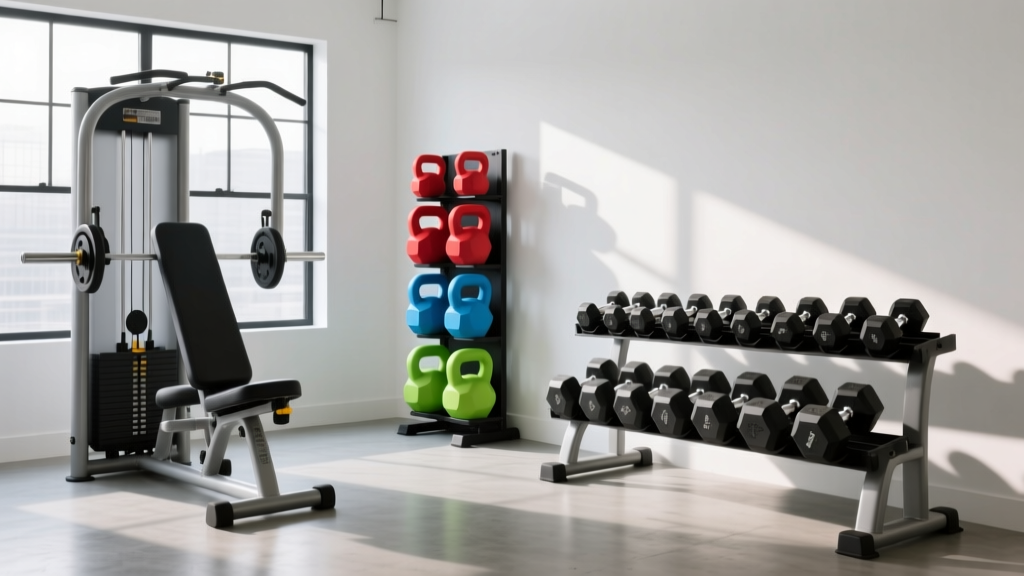
Neoprene coated dumbbells are a staple in commercial fitness centers and home gyms alike. The coating provides a tactile, non-slip grip that is particularly useful during high-rep hypertrophy work or when training in humid environments where sweaty palms compromise safety. Furthermore, the hexagonal shape of most neoprene dumbbells prevents rolling, a critical safety feature when placing weights on the floor between sets.
Material Science: The Truth About Chloroprene Rubber
Neoprene is a polychloroprene synthetic rubber. Unlike urethane, which is virtually indestructible and odorless, neoprene has specific environmental vulnerabilities. If your home gym is located in a garage or shed that experiences extreme temperature swings or direct UV exposure, neoprene can begin to degrade, chalk, or peel after 3 to 5 years. Additionally, lower-tier neoprene dumbbells often feature a strong chemical off-gassing odor upon unboxing, requiring weeks of ventilation in a well-aired room. However, for indoor, climate-controlled home gyms, high-quality neoprene (like those from CAP Barbell or Tone Fitness) offers an excellent balance of floor protection and acoustic dampening when dropped on rubber mats.
- Pros: Instant weight changes, zero setup time, non-slip grip, protects flooring, hex-shape prevents rolling.
- Pros: Ideal for drop sets, supersets, and fast-paced circuit training.
- Cons: High upfront cost, requires significant floor space and a dedicated storage rack, coating can degrade in UV light.
The Alternative: Standard Plates and Dumbbell Clamps
The primary alternative to a fixed dumbbell rack is purchasing standard 1-inch cast iron weight plates and a set of threaded or smooth dumbbell handles. To secure the plates during movement, you must use dumbbell clamps. Dumbbell clamps generally fall into two categories: spinlock collars (which thread onto a grooved bar) and spring clamps (which use heavy-duty steel tension to clamp onto a smooth bar sleeve).
Failure Modes: When Dumbbell Clamps Slip
While adjustable setups are highly space-efficient, they introduce a critical safety variable: the clamp. According to equipment safety analyses featured in BarBend's comprehensive guide on dumbbell collars and clamps, spring clamps are notorious for losing tension on worn chrome sleeves. If the sleeve of your dumbbell handle becomes scratched or polished smooth over years of use, spring-style dumbbell clamps can silently slip outward during dynamic movements. This poses a severe crush hazard, particularly during decline bench presses, dumbbell pullovers, or heavy shrugs, where gravity pulls the plates directly against the clamp's tension threshold.
Spinlock collars, while significantly safer due to their mechanical threading, introduce a different problem: time. Threading a metal spinlock nut on and off takes roughly 15 to 25 seconds per dumbbell. If you are running a superset or a drop set, this 30-to-50-second mandatory rest period can completely disrupt your intended training stimulus and heart rate zone.
Head-to-Head Comparison Matrix
| Feature | Fixed Neoprene Dumbbells | Adjustable Plates + Dumbbell Clamps |
|---|---|---|
| Weight Change Speed | Instant (Grab and Go) | Slow (30-60 seconds per pair) |
| Space Footprint | Large (Requires A-Frame or Tiered Rack) | Compact (Plates stack in a corner) |
| Safety Profile | Exceptional (No moving parts) | Moderate (Clamp slip risk on decline) |
| Grip Ergonomics | Thick, contoured, non-slip | Narrow, smooth chrome, often lacks knurling |
| Max Weight Capacity | Fixed (Usually caps at 50-120 lbs) | High (Limited only by handle sleeve length) |
Real-World Cost Breakdown (Building a 5-50 lb Set)
To truly understand the financial commitment, let us break down the exact cost of building a foundational 5 to 50-pound set (in 5-pound increments, totaling 10 pairs or 550 total pounds) in 2026.
- The Fixed Neoprene Route: Purchasing 10 pairs of CAP Barbell Hex Neoprene dumbbells at an average street price of $1.60 per pound equals $880. Add a heavy-duty 10-tier A-frame rack ($160), and your total investment is $1,040. This setup occupies roughly 14 square feet of floor space.
- The Plate-Loaded Route: You will need two 14-inch standard dumbbell handles ($45 total). To reach 50 lbs per hand, you need a combination of 10lb, 5lb, and 2.5lb cast iron plates totaling 500 lbs of usable weight (approx. $650 at $1.30/lb). Finally, you need heavy-duty metal spinlock dumbbell clamps ($25). Your total investment is $720. This setup occupies less than 3 square feet of floor space.
While the plate-loaded route saves you roughly $320 upfront, the 'time cost' of loading and unloading plates, combined with the physical footprint of the fixed rack, often dictates which option is superior for your specific lifestyle.
Expert Verdict: Which Setup Belongs in Your Space?
If your training methodology relies heavily on supersets, drop sets, or high-intensity interval training (HIIT), fixed neoprene coated dumbbells for home use are non-negotiable. The seamless transition between weights keeps your heart rate elevated and your workout density high. The neoprene coating also ensures that when you fatigue and need to drop the weights to the floor, your subflooring and the dumbbells themselves remain intact.
Conversely, if you are a powerlifter or strength-focused lifter who primarily performs heavy, straight-set dumbbell presses, rows, and Bulgarian split squats, an adjustable setup with high-quality spinlock dumbbell clamps is a highly efficient use of space and capital. Because you rest 2 to 3 minutes between heavy sets, the 30 seconds spent threading a clamp onto the bar is a negligible inconvenience. Just ensure you inspect your dumbbell clamp springs and handle sleeves every six months for wear and tear to maintain a safe training environment.
Frequently Asked Questions
Q: Can I use spring-style dumbbell clamps on Olympic dumbbell handles?
A: No. Standard spring clamps and spinlock collars are designed exclusively for 1-inch standard bars. Olympic dumbbell handles feature 2-inch rotating sleeves, which require specialized Olympic dumbbell collars (such as lever-action or clamp-down models) to secure the plates safely.
Q: Do neoprene dumbbells damage hardwood floors?
A: While neoprene is softer than cast iron, the sheer density of the internal concrete or steel core means dropping a 40-pound neoprene dumbbell can still dent or scratch hardwood. Always use a dedicated 3/8-inch or 1/2-inch thick rubber horse stall mat or interlocking gym tiles underneath your training area.
Q: Why do my dumbbell clamps keep slipping during chest flyes?
A: Chest flyes create significant lateral torque and rotational force on the dumbbell sleeve. If you are using smooth-bar spring clamps, this rotational force can easily overcome the spring tension. Switch to threaded spinlock collars or upgrade to specialized locking collars with internal rubber grips to eliminate slippage during rotational movements.
More gear to consider
All reviews
Beyond Flys with Dumbbells: Olympic Barbell Weight & Knurling Guide

Cast Iron vs Competition Kettlebell Care & Dumbbells at Academy Sports
Pec Deck Flyes vs Dumbbells: Hex vs Urethane Space Layouts

Compact Layouts: Sitting Dumbbell Shoulder Press, Hex vs Urethane

Rubber Hex vs Urethane: Gym Layouts and Hip Abduction with Dumbbells
