
Best Neoprene Dumbbells for Home & the Stiff-Legged Dumbbell Deadlift
Discover the best neoprene dumbbells for home use. Includes a 2026 buying guide, top picks, and form tips for the stiff-legged dumbbell deadlift.

The Intersection of Home Gym Flooring and Posterior Chain Training
Equipping a home gym in 2026 requires balancing floor protection, budget, and biomechanical performance. Neoprene-coated dumbbells remain a top choice for residential spaces due to their shock-absorbing properties and quiet handling. However, not all neoprene sets are created equal—especially when subjected to the rigorous demands of hinge movements like the stiff-legged dumbbell deadlift (SLDL). This in-depth buying guide evaluates the material science of neoprene, identifies the best models for home use, and provides a masterclass on executing the SLDL with this specific equipment.
Why Choose Neoprene (Chloroprene) for Home Gyms?
Neoprene, scientifically known as polychloroprene, is a synthetic rubber that offers a distinct tactile advantage over cast iron or bare steel. In the fitness equipment industry, neoprene dumbbells typically feature a cast iron core encased in a 3mm to 5mm layer of this synthetic rubber.
- Floor Protection: With a durometer (hardness) rating generally between 60A and 70A, neoprene is significantly softer than urethane (which often exceeds 85A). This makes it highly forgiving on hardwood floors, laminate, and standard residential tiles.
- Acoustic Dampening: The rubberized coating absorbs kinetic energy, reducing the acoustic impact of setting weights down—a critical factor for apartment dwellers or those training in shared living spaces.
- Thermal Comfort: Unlike bare steel, neoprene does not retain cold temperatures, making it more comfortable to grip in unheated garages or basements during winter months.
The Stiff-Legged Dumbbell Deadlift: A True Test of Gear
The stiff-legged dumbbell deadlift is a foundational posterior chain exercise that primarily targets the hamstrings, glutes, and erector spinae. Unlike the Romanian Deadlift (RDL), which begins from a standing position and focuses on the eccentric (lowering) phase, the SLDL starts from a dead stop on the floor. This distinction is crucial when evaluating dumbbell design.
Biomechanics and Equipment Interaction
During the SLDL, the dumbbells must travel in a perfectly vertical line, grazing the thighs and shins. This movement pattern exposes two critical design flaws in poorly manufactured neoprene dumbbells:
- The Seam Transition: Where the chrome handle meets the neoprene head, budget manufacturers often leave a sharp ridge of excess rubber or exposed metal. As the dumbbell slides up your thigh during the concentric (lifting) phase, this seam can snag on athletic wear or scratch the skin.
- Handle Knurling Deficits: To maintain a uniform aesthetic, some brands extend a thin layer of neoprene over the handle or use completely smooth, unknurled chrome. When pulling heavy loads from a dead stop, grip becomes the primary limiting factor.
2026 Neoprene Dumbbell Comparison Matrix
Based on current market availability, coating durability, and handle ergonomics, here is how the top neoprene dumbbells stack up for home use and heavy hinge pulls.
| Brand & Model | Avg. Price (Per Pair) | Handle Ergonomics | Coating & Seam Quality | Best Use Case |
|---|---|---|---|---|
| CAP Barbell Neoprene Hex | $45 - $55 (20 lbs) | Medium-depth diamond knurling, contoured | Good. Minimal seam ridge; durable 4mm coating. | Overall Best for SLDLs & Hinge Pulls |
| Yes4All Neoprene Coated | $48 - $60 (25 lbs) | Light knurling, straight chrome shaft | Fair. Noticeable seam transition; softer rubber. | High-Rep Light Conditioning |
| Amazon Basics Neoprene | $40 - $50 (20 lbs) | Smooth to light knurl; slightly thick diameter | Fair. Prone to cosmetic scuffing; thick seam. | Beginner Floor Work & Goblet Squats |
| Tone Fitness Neoprene | $35 - $45 (15 lbs) | Smooth chrome, no knurling | Poor. High slip-risk when sweaty; thick flashing. | Light Aerobics & Rehab Only |
Mastering the SLDL with Neoprene Dumbbells
Because neoprene dumbbell sets for home use typically cap out at 50 lbs per hand, advanced lifters may find the absolute load insufficient for maximizing hamstring hypertrophy. To overcome this, you must manipulate leverage, tempo, and stability. According to exercise databases like Bodybuilding.com's Exercise Guide, altering the mechanical disadvantage is key to stimulating growth with lighter weights.
The B-Stance (Kickstand) SLDL
By shifting to a unilateral variation, you effectively double the relative load on the working hamstring while maintaining balance.
- Setup: Hold a 40 lb or 50 lb neoprene dumbbell in your right hand. Place your right foot flat on the floor. Slide your left foot back so only the toes are touching the ground (acting purely as a kickstand for balance).
- Execution: Hinge at the hips, pushing them backward while keeping the right knee slightly bent but fixed. Lower the dumbbell until it is just below the knee or mid-shin, feeling a deep stretch in the right hamstring.
- Tempo Prescription: Use a 3-1-1-0 tempo. Lower the weight for 3 seconds, pause for 1 second at the bottom stretch to eliminate the stretch reflex, explode up for 1 second, and do not rest at the top.
Pro-Tip on Grip: If your neoprene dumbbells lack aggressive knurling, avoid using liquid chalk directly on the chrome handles if your hands are prone to sweating profusely, as the runoff can stain the porous neoprene heads. Instead, use a standard magnesium carbonate block chalk and dust your hands lightly, or invest in a pair of 2mm neoprene lifting straps to secure the grip without compromising the equipment.
Maintenance: Preserving the Neoprene Coating
To ensure your investment survives years of dead-stops on the floor, implement the following maintenance protocol:
- Impact Zones: Even though neoprene is protective, repeatedly dropping 50 lb dumbbells from waist height onto concrete will cause the rubber to split at the corners. Always use a 3/4-inch thick horse stall mat or dedicated EVA foam flooring to absorb the kinetic shock.
- UV Degradation: Polychloroprene is susceptible to UV breakdown. If your home gym is in a sunroom or garage with direct sunlight, the neoprene will fade, chalk, and eventually crack. Store your weights in a shaded rack or cover them with a heavy canvas tarp.
- Cleaning Agents: Never use bleach, ammonia, or alcohol-based solvents on neoprene. These chemicals strip the plasticizers from the rubber, accelerating the drying and cracking process. Stick to diluted dish soap or specialized fitness equipment wipes.
Frequently Asked Questions
Can I use neoprene dumbbells for heavy floor presses?
Yes, but be cautious of the seam. During a floor press, the dumbbell heads rest directly on the floor. If the neoprene is poorly molded with a protruding seam, the dumbbell may sit at a slight angle, creating an unstable base when you unrack the weight. Always check that the hex heads sit perfectly flat before initiating the press.
Why do my neoprene dumbbells smell like chemicals?
Off-gassing is common in newly manufactured synthetic rubbers. To eliminate the odor, remove the dumbbells from their plastic packaging and let them air out in a well-ventilated, shaded area (like a garage or covered patio) for 72 to 96 hours. Wiping them down with a 50/50 water and white vinegar solution can also accelerate the neutralization of volatile organic compounds (VOCs).
Is the stiff-legged deadlift safe for the lower back?
When performed correctly, the SLDL is highly effective for strengthening the erector spinae and preventing lower back injuries. The key is to maintain a neutral spine and initiate the movement by pushing the hips backward (a hip hinge) rather than simply bending over at the waist. If you feel sharp pain in the lumbar region, reduce the weight and focus on hamstring flexibility and glute activation.
More gear to consider
All reviews
Bumper vs Iron Plates: Space Layouts and Dumbbell RDLs Form
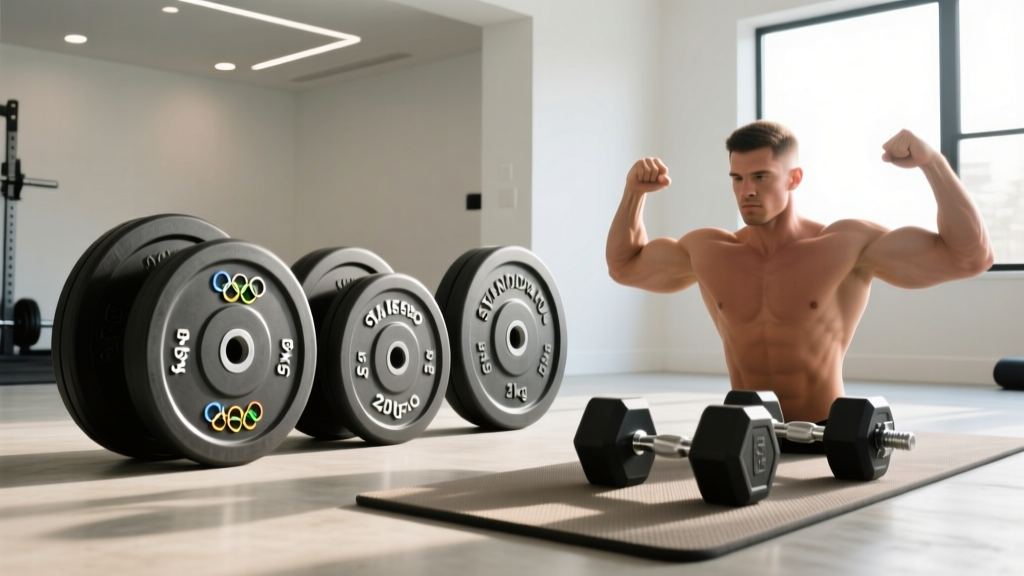
Olympic vs Standard Plates: Best for Dumbbell Chest Exercises

How to Pack Dumbbells for Moving: 2026 Bumper vs Iron Plate Trends

Best Neoprene Dumbbells for Home Dumbbell Work Outs: 2026 Guide

Best Loadable Dumbbells for Close Grip Dumbbell Chest Press in 2026
