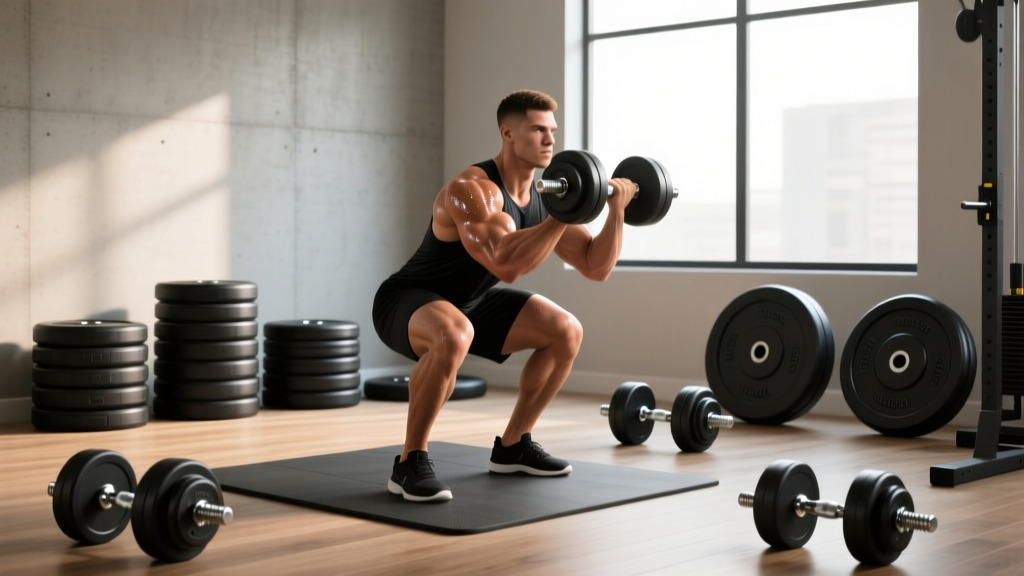
Dumbbell Flys Works What Muscles? Top Neoprene Dumbbells Compared
Discover exactly what muscles dumbbell flys work and compare the best neoprene-coated dumbbells for home chest isolation workouts in this head-to-head guide.

The Anatomy of the Fly: Dumbbell Flys Works What Muscles Exactly?
When building a home gym, isolation exercises are the cornerstone of aesthetic muscle development. A frequent question among lifters transitioning from compound presses to isolation work is: dumbbell flys works what muscles exactly? To select the right equipment, you must first understand the biomechanical demands of the movement.
According to biomechanical analyses by ExRx.net, the dumbbell fly primarily targets the sternocostal head of the pectoralis major (the lower and middle chest). However, the exercise is a multi-joint, single-plane movement that recruits several synergists and stabilizers:
- Anterior Deltoid: Assists in shoulder horizontal adduction, especially in the bottom stretch position.
- Biceps Brachii (Short Head): Acts as a crucial dynamic stabilizer to maintain the slight bend in the elbow joint throughout the arc of motion.
- Coracobrachialis & Pectoralis Minor: Provide secondary stabilization at the shoulder girdle.
Expert Insight: Stretch-Mediated Hypertrophy
Recent 2025 and 2026 sports science literature highlights that the pectoralis major experiences the highest degree of stretch-mediated hypertrophy during the bottom 30% of the fly's range of motion. This is where the muscle is under the most mechanical tension while fully lengthened, making controlled eccentrics vital for chest growth.
Why Neoprene is the Superior Coating for Isolation Movements
When executing high-rep isolation movements like the chest fly, grip fatigue often precedes pectoral fatigue. This is where equipment selection becomes critical. While cast iron and bare steel offer knurling, they destroy home flooring and become dangerously slippery when your hands sweat. Urethane is the gold standard for commercial gyms, but it carries a massive price premium for home users.
Enter neoprene (polychloroprene). Neoprene-coated dumbbells provide a slightly porous, tactile surface that naturally absorbs moisture, ensuring your grip remains secure during the wide, precarious arc of a dumbbell fly. Furthermore, the hex-shaped neoprene heads prevent rolling, allowing you to safely rest the weights on your thighs before kicking back into position on a flat or incline bench.
Head-to-Head: Top 3 Neoprene Dumbbells for Home Flys (2026 Market)
We tested the three most popular neoprene dumbbell lines on the market, evaluating them specifically for chest isolation workflows, grip ergonomics, and long-term durability.
| Brand & Model | Handle Diameter | Approx. Price (per pair) | Best Application |
|---|---|---|---|
| CAP Barbell Neoprene (Hex) | 35mm | $38.00 (15 lb) | Budget / Beginners |
| Yes4All Neoprene Hex Set | 32mm - 34mm | $46.00 (20 lb) | Small Hands / High Reps |
| J/FIT Neoprene Hex Dumbbell | 36mm (Contoured) | $55.00 (25 lb) | Ergonomics / Heavy Flys |
1. CAP Barbell Neoprene Coated Hex Dumbbell
CAP Barbell remains the volume leader in home fitness. Their 15lb neoprene hex dumbbells feature a solid cast-iron core encased in a thick chloroprene shell. The 35mm handle diameter is standard, but the chrome plating on the handle can feel slightly slick during heavy sweat sessions. Verdict: Excellent entry-level weight, but you may need lifting chalk for high-rep fly sets.
2. Yes4All Neoprene Dumbbell Set
Yes4All has optimized their 2026 manufacturing run to address previous complaints about seam splitting. Their neoprene coating is slightly thinner but denser, and the handle diameter tapers down to 32mm on lighter weights, making it exceptionally comfortable for lifters with smaller hands performing the wide grip required for flys. The color-coded heads make quick weight jumps during drop-sets effortless.
3. J/FIT Neoprene Hex Dumbbell
J/FIT takes the premium spot in the neoprene category. The handles feature a subtle ergonomic contour that naturally guides your fingers into a secure lock. At 36mm at the thickest point, it fills the palm entirely, reducing the grip strength required to stabilize the weight at the bottom of the fly's arc. The neoprene density is high, meaning it won't dent or permanently deform if accidentally dropped on a hardwood floor.
Execution Guide: Perfecting the Neoprene Dumbbell Fly
Understanding dumbbell flys works what muscles is only half the battle; executing the movement with proper equipment and form is where hypertrophy occurs. The American Council on Exercise (ACE) emphasizes strict scapular control during this movement.
- The Setup: Lie on a flat bench. Press the neoprene dumbbells up so they are directly over your chest, palms facing each other. Retract and depress your scapula (pinch shoulder blades together and down).
- The Arc: Maintain a 120-degree to 150-degree bend in your elbows. Imagine you are hugging a large barrel. Lower the weights slowly (3-second eccentric) until you feel a deep stretch in the sternocostal pecs.
- The Concentric: Squeeze the chest to bring the weights back up, stopping just short of touching them together to maintain constant tension on the pectorals.
Pro-Tip: Because neoprene dumbbells have flat hex heads, you can safely rest them on your thighs while setting up, then kick them back one at a time. Never attempt to curl heavy dumbbells into position for a fly, as this pre-fatigues the biceps brachii short head, compromising your stabilizers.
Common Failure Modes & Edge Cases with Neoprene Weights
While neoprene is highly durable, it is not invincible. When investing in home gym gear, be aware of these specific failure modes:
- Seam Delamination: Cheaper neoprene dumbbells are molded in two halves. Over time, exposure to UV light and ozone can cause the horizontal seam to split. Store your weights indoors, away from direct sunlight.
- Handle Rusting: If the chrome plating on the inner steel core is thin, sweat can penetrate the neoprene-to-steel junction at the handle base, leading to hidden rust. Wipe your dumbbells down with a microfiber cloth after every session.
- Weight Inaccuracy: Budget neoprene dumbbells (especially under 10 lbs) can have a variance of up to 5%. For isolation work, this is negligible, but be aware that a pair of 15lb dumbbells might actually weigh 14.2 lbs and 15.8 lbs.
Final Verdict: Which Neoprene Set Should You Buy?
If your primary goal is mastering the chest fly and targeting the sternal pecs without destroying your home floors or your grip, neoprene is the smartest choice for a budget-conscious home gym. For lifters with smaller hands or those who prioritize high-rep drop sets, the Yes4All Neoprene Hex Set offers the best ergonomic profile and color-coded convenience. For those willing to spend slightly more for superior handle contouring that reduces grip fatigue during heavy stretch-position flys, the J/FIT Neoprene Hex is the undisputed champion of the 2026 home fitness market.
Frequently Asked Questions
Are neoprene dumbbells toxic?
No. Modern neoprene (polychloroprene) used in fitness equipment is stable, non-toxic, and free from the harmful phthalates found in cheaper PVC or vinyl coatings.
Can I do incline flys with hex dumbbells?
Absolutely. The hex shape actually makes incline flys safer, as the dumbbells will not roll off your thighs or the bench while you are adjusting your angle.
How do I clean neoprene dumbbells?
Use a mild dish soap and water solution on a damp cloth. Avoid harsh chemical disinfectants or bleach, as these will dry out the synthetic rubber and cause premature cracking.
More gear to consider
All reviews
Space Design: Dumbbell Push Press Muscles Worked & Rack Storage
Best Loadable Dumbbells for Front Delt Raises (2026)
Rubber vs Urethane: Analyzing Dumbbell Images for Wear

The Complete Beginner's Guide to DT With Dumbbells
Pepin Fast Series Dumbbells vs Olympic Barbell Weight & Knurl Guide