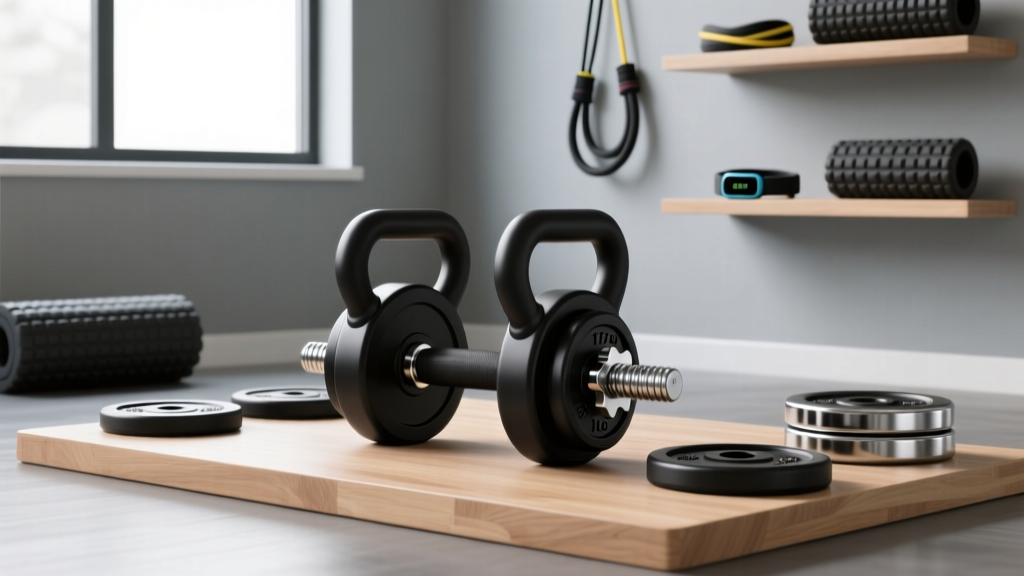
Best Neoprene Dumbbells for Dumbbell Complex Exercises (2026)
Discover the best neoprene dumbbells for home use in 2026. Our buying guide compares top sets optimized for high-rep dumbbell complex exercises and grip endurance.

The Intersection of Neoprene Gear and Dumbbell Complex Exercises
As home gym setups in 2026 continue to prioritize space efficiency and metabolic conditioning, the demand for specialized fixed-weight gear has surged. While adjustable dumbbells dominate the heavy strength training market, neoprene-coated dumbbells have carved out a highly specific, irreplaceable niche: high-repetition metabolic conditioning. Specifically, they are the ideal tool for dumbbell complex exercises—a training modality where multiple movements are chained together without ever releasing the grip on the weight.
However, not all neoprene dumbbells are created equal. The continuous grip demand of a complex routine exposes the flaws in cheap manufacturing, from handle slipperiness to coating degradation. This in-depth buying guide dissects the material science, grip ergonomics, and market pricing of neoprene dumbbells to help you select the perfect set for your home complex routines.
Expert Insight: Strength vs. Metabolic Complexes
According to strength coach Dan John's seminal guide on complexes, a true complex involves performing a sequence of exercises back-to-back with the same piece of equipment, without dropping it. While heavy barbell complexes build raw power, dumbbell complexes using lighter, fixed-weight neoprene gear (typically 10 to 25 lbs) are designed for metabolic resistance training. Studies published in the National Institutes of Health (PMC) confirm that this style of high-density, low-rest training significantly elevates excess post-exercise oxygen consumption (EPOC), making it a superior fat-loss and cardiovascular tool for home athletes.
2026 Comparison Matrix: Top Neoprene Dumbbells for Home Use
When selecting neoprene dumbbells for complexes, the price-per-pound is only one metric. Handle contouring, coating density, and hex-shape stability (to prevent rolling during transitions) are critical. Below is our 2026 market comparison of the top three contenders.
| Brand & Model | Avg Price/lb (2026) | Handle Ergonomics | Coating Durability | Best Complex Application |
|---|---|---|---|---|
| CAP Barbell Neoprene Hex | $1.45 - $1.60 | Straight / Smooth | Medium (Prone to edge peeling) | Budget-friendly starter complexes |
| Yes4All Neoprene Coated | $1.75 - $1.95 | Ergonomic Curve / Contoured | High (Seamless dip process) | High-rep grip endurance & sweat management |
| J/fit Premium Neoprene Set | $2.50 - $2.80 | Hex / Micro-textured | Very High (Dense rubber core) | Premium space-saving home gyms |
Material Science: Why Neoprene Works (and When It Fails)
To understand why neoprene is the preferred coating for home metabolic conditioning, we have to look at the physical demands of the workout. Unlike traditional strength training where you rest between sets, dumbbell complex exercises require you to hold the weight for 3 to 6 minutes straight while transitioning between movements like hang cleans, front squats, and push presses.
The Grip Dilemma in High-Rep Complexes
Bare knurled steel is the gold standard for heavy lifting, but it shreds the calluses during high-rep, continuous-hold metabolic work. Neoprene provides a forgiving, slightly compressible barrier that protects the epidermis during hundreds of repetitions. However, this introduces a major edge case: sweat-induced slipperiness.
Neoprene is a closed-cell synthetic rubber. When your hands sweat during an intense metabolic complex, the moisture has nowhere to go, creating a hydroplaning effect between your palm and the handle. Expert Fix: If you are buying CAP Barbell's straight-handle neoprene set, you must pair it with liquid chalk. If you opt for Yes4All, their contoured handle creates a mechanical lock in the webbing of your thumb, reducing the reliance on pure friction and mitigating the sweat-slip issue.
Edge Cases and Failure Modes of Cheap Coatings
When auditing budget neoprene dumbbells for our 2026 guide, we identified two primary failure modes that buyers must avoid:
- Seam Splitting: Lower-tier manufacturing processes involve dipping the cast-iron core into liquid neoprene. If the curing temperature fluctuates, a microscopic seam forms where the weight head meets the handle. After 3 to 4 months of the rotational torque involved in complex exercises (like dumbbell snatches or cleans), this seam splits, exposing the rusting iron core underneath.
- VOC Off-Gassing: Poorly cured neoprene emits volatile organic compounds (VOCs). In a poorly ventilated home gym or garage, this chemical odor can cause headaches during intense cardiovascular exertion. Always ensure the product listing specifies 'low-odor' or 'cured' neoprene, and allow 48 hours of outdoor airing if a chemical scent is present upon unboxing.
Structuring a Metabolic Complex with Fixed-Weight Neoprene
Because neoprene dumbbells are fixed-weight and generally cap out around 30 to 40 pounds per hand, they are not suited for heavy, low-rep strength complexes. Instead, they excel in 'The Neoprene 5'—a high-density metabolic routine designed to maximize EPOC and muscular endurance without destroying your home gym flooring.
The 'Neoprene 5' Home Complex Protocol
Equipment: 15 lb to 25 lb Neoprene Hex Dumbbells (Yes4All or J/fit recommended for grip security).
Format: Perform exercises 1 through 5 sequentially. Do not drop the dumbbells until the round is complete. Rest 90 seconds. Complete 4 to 5 rounds.
- Dumbbell Hang Cleans: 8 reps (Explosive hip hinge, catch at the shoulders)
- Front Squats: 8 reps (Maintain upright torso, elbows high)
- Push Press: 8 reps (Use leg drive to press overhead)
- Romanian Deadlifts (RDL): 8 reps (Hinge at the hips, keep dumbbells close to shins)
- Bent-Over Rows: 8 reps (Flat back, squeeze scapulae at the top)
Coaching Note: The hex-shape of premium neoprene dumbbells is vital here. When transitioning from the Hang Clean to the Front Squat, the flat edges rest securely against your collarbone without rolling, unlike round rubber or urethane dumbbells.
Floor Safety and Home Gym Integration
One of the most overlooked advantages of neoprene for home use is acoustic dampening and floor protection. When performing complex exercises, fatigue inevitably leads to sloppy transitions. You might accidentally clip your knee or drop the weight slightly during a fatigued push press. Neoprene's soft exterior absorbs shock, protecting hardwood floors, luxury vinyl plank (LVP), and garage epoxy from the chipping and denting caused by bare cast iron or hard urethane.
Furthermore, the color-coding standard in the neoprene industry (e.g., Pink for 10 lbs, Green for 15 lbs, Blue for 20 lbs) allows for rapid weight selection if you are doing a 'drop-set' complex, where you perform a round with 25 lbs, immediately drop them, and pick up 15 lbs to continue the complex without resting.
Final Buying Framework for Home Gyms
If your primary goal is heavy, progressive overload strength training, bypass neoprene and invest in adjustable steel or urethane-coated dumbbells. However, if your 2026 fitness programming incorporates dumbbell complex exercises for cardiovascular conditioning, fat loss, and muscular endurance, a dedicated set of neoprene dumbbells is a mandatory addition to your rack.
The FitGearPulse Verdict: For the majority of home athletes focusing on metabolic complexes, the Yes4All Neoprene Coated Dumbbells offer the best return on investment. At roughly $1.85 per pound, their contoured handles solve the inherent sweat-slip problem of neoprene, and their seamless dipping process ensures the coating won't peel under the rotational stress of cleans and snatches. Buy two pairs (e.g., 15 lbs and 25 lbs) to allow for drop-set complexes, and keep a bottle of liquid chalk nearby to guarantee your grip never fails before your lungs do.
More gear to consider
All reviews
Olympic vs Standard Plates & CAP 150 lb Dumbbell Set with Rack Guide

Neoprene Dumbbell Rotator Cuff Rehab: 2026 Home Buying Guide

Cast Iron vs Comp Kettlebells & How to Train Rear Delts With Dumbbells
Rubber Hex vs Urethane: Dumbbell Press to Bench Press Calculator Data

Transitioning From Working Out With Dumbbells: Barbell Collar Guide