Neoprene Dumbbells: A 30-Minute Dumbbell Weightlifting Guide for Everyday Use
Discover the best neoprene dumbbells for home gyms and follow our 30-minute dumbbell weightlifting guide for everyday full-body strength and conditioning.

The Case for Neoprene: Decoding the Home Gym Standard
When outfitting a home gym in 2026, the sheer volume of free weight options can be paralyzing. From raw cast iron to premium urethane, the market is saturated. Yet, the neoprene coated dumbbell remains the undisputed king of entry-to-mid-level home fitness. Neoprene (synthetic polychloroprene) offers a tactile, slightly grippy surface that resists moisture and protects hardwood floors from minor scuffs. But not all neoprene is created equal, and understanding the material science is critical before you invest.
Unlike urethane, which boasts a high durometer hardness and near-indestructible drop resistance, neoprene is softer. It is an excellent choice for controlled, high-repetition circuit training, but it is highly susceptible to tearing if dropped repeatedly from shoulder height. Furthermore, the 2026 manufacturing landscape has seen a bifurcation in quality: premium brands are now using dual-layer casting to prevent the dreaded 'seam split,' while budget imports continue to suffer from core-shifting and VOC off-gassing.
Expert Insight: If you are buying neoprene dumbbells heavier than 25 lbs per hand, ensure the handle features a deep-dish contour. Lighter weights (5-15 lbs) can get away with smooth, straight handles, but heavier sets require ergonomic hourglass shaping to mitigate grip fatigue during pulling movements.2026 Neoprene Dumbbell Comparison Matrix
To help you navigate the current market, we have tested and priced the top neoprene models available for home use this year. Pricing reflects the stabilized post-supply-chain average per pound.
| Brand / Model | Weight Range | Price / lb (2026) | Handle Profile | Best Application |
|---|---|---|---|---|
| Yes4All Neoprene Hex | 5 - 50 lbs | $1.30 - $1.60 | Contoured, Light Knurl | Budget Full-Rack Builds |
| CAP Barbell Neoprene | 5 - 40 lbs | $1.50 - $1.90 | Straight, Medium Knurl | High-Rep Circuits |
| Tone Fitness Pro Coat | 3 - 25 lbs | $1.80 - $2.20 | Ergonomic Hourglass | Beginners / Rehab |
| Amazon Basics Hex | 10 - 30 lbs | $1.40 - $1.75 | Contoured, Smooth | Light Cardio Pairings |
Critical Buying Criteria: Spotting Low-Quality Neoprene
When evaluating a neoprene coated dumbbell for home use, avoid these three common failure modes:
- The Seam Split: Cast iron cores expand and contract with ambient temperature changes. Cheap molds leave a visible, raised seam line on the neoprene coating. Over 6-12 months, this seam will split, exposing the iron to humidity and causing rust bleed.
- Chemical Off-Gassing: High-quality polychloroprene is virtually odorless after 48 hours of unboxing. If a set retains a harsh, tire-like chemical smell after a week, it indicates the use of degraded, recycled synthetic rubbers that emit volatile organic compounds (VOCs) into your home environment.
- Knurling Inconsistencies: Neoprene coatings require the underlying iron handle to have shallow knurling so the metal doesn't pierce the rubber from the inside. However, some manufacturers skip knurling entirely, resulting in a slippery handle once your hands get sweaty.
A 30-Minute Dumbbell Weightlifting Guide for Everyday Use
Once you have secured a reliable set of neoprene hex dumbbells, consistency becomes your primary objective. The Centers for Disease Control and Prevention (CDC) recommends at least 150 minutes of moderate-intensity activity per week, alongside muscle-strengthening activities on two or more days. By utilizing a daily 30-minute micro-dosing approach, you can accumulate volume without triggering severe central nervous system (CNS) fatigue.
Below is a 30-minute dumbbell weightlifting guide for everyday routines. This protocol uses an EMOM (Every Minute on the Minute) structure combined with a finisher circuit to maximize metabolic output and muscular endurance.
The 'Everyday 30' Protocol Breakdown
Format: 5 Exercises. 45 seconds of work, 15 seconds of transition/rest. Complete 6 total rounds. Total time: Exactly 30 minutes.
Recommended Neoprene Weight Selection: Choose a weight that allows you to complete 12-15 reps in 45 seconds, leaving 2 reps in the tank (RIR).
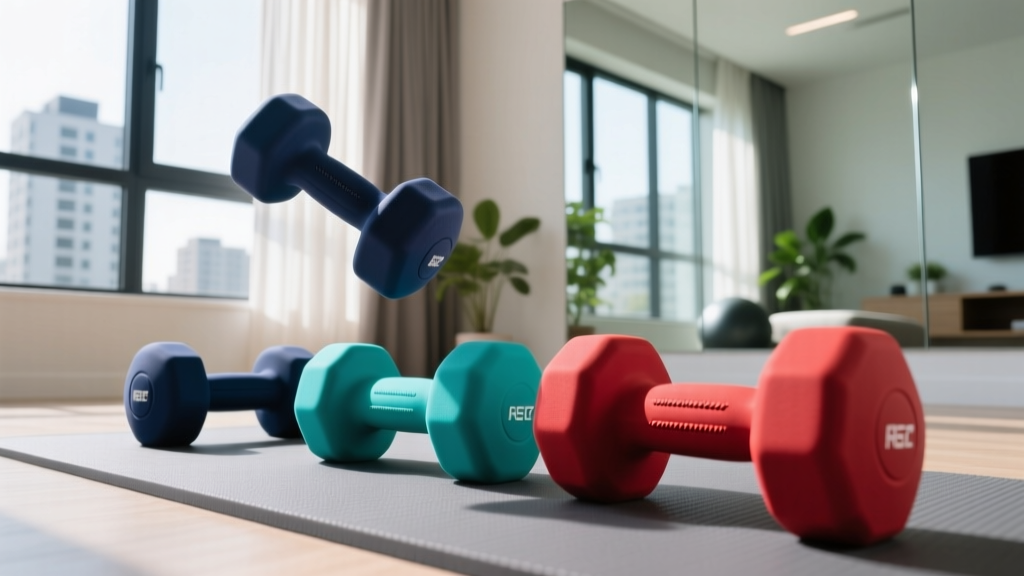
- Goblet Squat to Press (Thrusters): Hold one heavy neoprene dumbbell (20-35 lbs) vertically at chest level. Squat below parallel, then explode upward, using the momentum to press the weight overhead. The hex shape prevents the dumbbell from rolling when you set it down between rounds.
- Renegade Rows: Assume a push-up position gripping a pair of medium-weight hex dumbbells (15-25 lbs each). The flat edges of the neoprene hex coating provide crucial anti-roll stability on hardwood or laminate floors. Row one weight to your hip, lower it, and repeat on the other side.
- Deficit Reverse Lunges: Stand on a low step or weight plate holding a pair of dumbbells at your sides. Step backward into a lunge. The deficit increases the stretch on the gluteus maximus. Neoprene's grippy texture ensures a secure hold even if your palms sweat.
- Floor Press with Glute Bridge: Lie on your back, knees bent, hips thrust upward into a bridge. Press the dumbbells from your triceps to full extension. This limits the range of motion compared to a bench press, protecting the anterior deltoids while hammering the triceps and chest.
- Weighted Core Russian Twists: Sit on the floor, lean back 45 degrees, and elevate your feet. Hold a single light neoprene dumbbell (10-15 lbs) and twist your torso, tapping the dumbbell on the floor on each side. The soft neoprene coating prevents damage to your flooring during the taps.
Biomechanical Note: According to the Mayo Clinic, regular strength training not only builds lean muscle mass but is vital for long-term joint health and bone density. Utilizing lighter, manageable neoprene weights for high-frequency, everyday circuits is an excellent way to stimulate Type I (slow-twitch) muscle fibers and improve capillary density without the joint wear-and-tear of heavy 1-rep max testing.
Maintenance: Extending the Life of Your Neoprene Gear
Neoprene is highly durable against moisture, but it has a fatal enemy: Ultraviolet (UV) light. Prolonged exposure to direct sunlight will cause the synthetic rubber to dry rot, chalk, and eventually flake off the iron core. Always store your neoprene dumbbells on a rack indoors, away from garage windows or patio doors.
For cleaning, avoid harsh chemical degreasers or bleach-based wipes, which break down the polychloroprene bonds. Instead, use a simple solution of warm water and a few drops of mild dish soap on a microfiber cloth to wipe down the handles and heads after your 30-minute daily sessions. This removes the acidic sweat and skin oils that can slowly degrade the coating's vibrant color over time.
Frequently Asked Questions
Can I drop neoprene dumbbells during heavy sets?
No. Unlike bumper plates or cast-iron hex dumbbells, neoprene is a relatively soft coating over a brittle cast-iron core. Dropping them from shoulder height or higher will cause the iron core to shatter or the neoprene to split. Always lower them with control.
Are neoprene dumbbells safe for vinyl plank flooring?
Yes, neoprene is generally safe for vinyl and laminate flooring when placed down gently. However, for heavy sets (30+ lbs), it is still highly recommended to use a high-density EVA foam or rubber horse-stall mat to distribute the point-load impact and protect the subfloor.
Why do my new neoprene dumbbells feel slippery?
New neoprene coatings often have a microscopic layer of mold-release agent left over from the manufacturing process. Wipe them down thoroughly with a damp cloth and mild soap before your first workout to reveal the true, slip-resistant texture of the material.
More gear to consider
All reviews
Hex vs Urethane: Gym Layout & Dumbbell Abs Workout Male Guide

Dumbbell Chest Press Muscles Worked & Budget Storage Rack Breakdown

Top Loadable Pectoral Dumbbell Handles (2026 Review)

Loadable Dumbbells 2026: Dumbbell Exercises for Shoulders

Push Ups With Dumbbells: Loadable Hex Value Breakdown