
Gear Maintenance Schedules and Where to Donate Sports Equipment
Master your gym gear with our expert maintenance schedules. Learn when to repair, replace, and exactly where to donate sports equipment for maximum impact.

The Hands-On Review: Top Maintenance Tools We Trust
As a senior reviewer at FitGearPulse, I have evaluated hundreds of home gym setups. The most common point of failure is not manufacturing defects; it is catastrophic neglect. A $3,000 commercial-grade treadmill can be destroyed by a $15 bottle of the wrong lubricant, while a neglected Olympic barbell will suffer irreversible sleeve oxidation within a single humid summer. Before we discuss end-of-life disposal and where to donate sports equipment, we must establish a baseline for preservation using the right tools.
Expert Top Picks: Maintenance Essentials
- Barbell Knurling Brush: The Rogue Fitness Nylon Brush ($15.00) is our gold standard. Steel brushes will strip zinc and chrome coatings, leading to rapid rust. Nylon effectively removes chalk and dead skin without damaging the knurl pattern.
- Treadmill Lubricant: Horizon Fitness 100% Silicone Lubricant ($18.99). Never use WD-40 or petroleum-based oils, which will melt the treadmill belt's polyurethane backing and destroy the deck.
- Urethane Cleaner: Matrix Fitness Equipment Wipes ($24.99 for a 90-count tub). These are specifically pH-balanced to prevent the chemical breakdown of urethane dumbbell coatings, which can become sticky and emit a foul odor if exposed to harsh alkaline cleaners.
The Master Equipment Maintenance Schedule & Checklist
Consistency is the bedrock of equipment longevity. Below is the exact maintenance matrix we recommend for high-use home and boutique commercial gyms. Print this, laminate it, and keep it on a clipboard near your gear.
| Frequency | Cardio (Treadmills, Rowers) | Strength (Barbells, Racks) | Recovery (Massage Guns) |
|---|---|---|---|
| Daily | Wipe down consoles and handrails with pH-neutral wipes. | Brush barbell knurling; wipe down j-cups. | Sanitize attachments with alcohol wipes. |
| Weekly | Vacuum dust from motor cowling vents. | Apply 3-in-One oil to barbell sleeves and rack pivot points. | Check battery health; cycle charge to 100%. |
| Monthly | Inspect belt tension and alignment. Check deck friction. | Tighten all rack hardware (M20/M25 bolts) to spec. | Inspect motor housing for hair/debris buildup. |
| Bi-Annual | Apply 1oz of 100% silicone lubricant under the belt. | Deep clean and re-oil all weight plates and collars. | Replace worn foam attachments. |
End-of-Life Diagnostics: When to Repair vs. Replace
Even with flawless adherence to the checklist above, all equipment eventually reaches the end of its mechanical lifespan. Recognizing the difference between a repairable fault and a terminal failure is critical for safety and financial planning.
Terminal Failure Modes (Do Not Repair)
- Structural Weld Cracks: Any visible cracking on a power rack's uprights or a squat stand's gusset plates means the metallurgical integrity is compromised. The cost of professional TIG welding and subsequent powder-coating exceeds the replacement value, and the liability risk is too high.
- Treadmill Deck Delamination: If you perform the 'stomp test' (stepping heavily on the side rails and the belt feels spongy or makes a hollow thud), the MDF deck has warped or delaminated. This causes excessive amp-draw on the drive motor, which will eventually fry the lower control board.
- Urethane Degradation: When rubber or urethane dumbbells begin to weep a sticky, tar-like substance and emit a permanent chemical odor, the polymers have broken down due to UV exposure and ozone. This cannot be reversed.
Expert Guide: Where to Donate Sports Equipment
When your gear is no longer suitable for your advanced routine, or if you are upgrading and the old equipment is still structurally sound, it is time to pass it on. Many home gym owners eventually face the dilemma of figuring out exactly where to donate sports equipment to ensure it actually gets used rather than sitting in a landfill. Based on our outreach and impact analysis, here are our top-reviewed donation channels.
1. Leveling the Playing Field (Top Pick for Community Impact)
Leveling the Playing Field is our absolute top recommendation for maximizing social impact. This incredible non-profit organization collects new and gently used sports and fitness equipment and distributes it to under-resourced schools, community recreation centers, and youth sports programs. What they accept: Bats, helmets, balls, nets, and general athletic gear. Best for: Clearing out youth sports gear that your children have outgrown but still has years of usable life left.
2. Goodwill & The Salvation Army (Top Pick for Convenience)
If you are dismantling an entire home gym and need immediate removal of bulky items like weight benches, ellipticals, or dumbbell racks, large-scale thrift organizations are your most practical route. According to Goodwill's official donation guidelines, they accept functional exercise equipment. Pro-Tip: Always call your local branch first if the item weighs over 50 lbs. Many locations will schedule a free truck pickup for large fitness equipment if you have a minimum of three items to donate.
3. Local School Districts & Title I Programs (Top Pick for Direct Local Impact)
High school weight rooms are notoriously underfunded. Reaching out directly to the athletic director of a local Title I high school can result in an immediate, enthusiastic acceptance of your old power racks, bumper plates, and plyometric boxes. This bypasses the overhead of large charities and puts the gear directly into the hands of student-athletes.
Navigating Tax Deductions for Fitness Gear
Donating high-value fitness equipment can yield significant tax benefits, but the IRS requires strict documentation. If you donate a commercial-grade treadmill or a full Rogue rack system, the fair market value will likely exceed $500.
- Itemize Your Deductions: You must use Schedule A (Form 1040) to claim charitable contributions.
- Get a Receipt: Ensure the receiving charity provides a contemporaneous written acknowledgment detailing the items donated (but not their value).
- File Form 8283: For non-cash contributions exceeding $500, the IRS mandates the filing of IRS Publication 561 and Form 8283. If a single item (like a commercial elliptical) is valued over $5,000, you will also need a certified, independent appraisal.
Frequently Asked Questions
Can I donate broken or non-functional sports equipment?
Most charities, including Goodwill and Leveling the Playing Field, strictly require equipment to be in working, safe condition. If your treadmill has a fried motor or your barbell is severely bent, it cannot be donated. Instead, contact a local scrap metal recycler. Steel and aluminum from weight plates and racks are highly recyclable, and some scrap yards will even pay you by the pound for the raw metal.
How do I determine the fair market value of used gym equipment?
Fair market value (FMV) is not what you originally paid for the item. It is the price a willing buyer would pay a willing seller in the current open market. A good rule of thumb for fitness equipment is to check completed listings on eBay or local Facebook Marketplace sales for the exact same model in similar condition. Generally, used commercial cardio equipment retains 30% to 45% of its retail value after three years of home use, while cast-iron weight plates retain up to 70% due to their indestructible nature.
Do I need to clean the equipment before donating?
Yes. A thorough cleaning is not just courteous; it is often a requirement for acceptance. Wipe down all upholstery with a mild disinfectant, vacuum dust from motor housings, and use a wire brush (only on raw steel, not coated bars) or nylon brush to remove chalk and rust. Equipment that arrives dirty or smelling of heavy sweat will often be rejected at the loading dock and sent directly to the dumpster.
More gear to consider
All reviews
Sports Facility Maintenance Equipment Buyer Checklist: What Certified Technicians Actually Recommend

Maintenance for Analysis: How Preventive Care Powers Data-Driven Sports Facility Decisions

How to Maintain Fitness Tracker Batteries and Optical Sensors
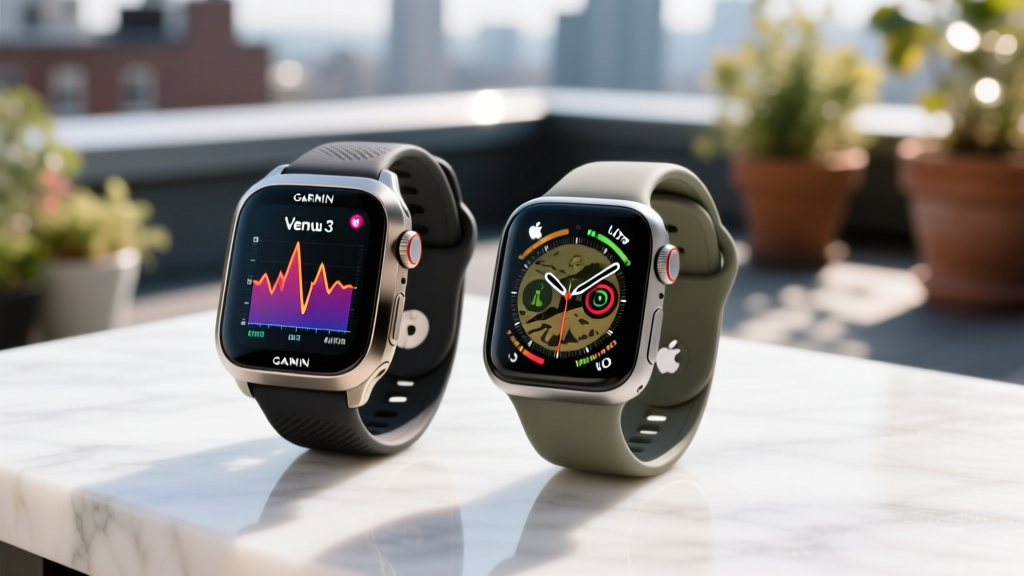
How to Maintain Fitness Tracker: Garmin Venu 3 vs Apple Watch Ultra

Percussion Alternatives to Value: Cost-Effective, Clinically Valid Options for Soft Tissue Therapy
