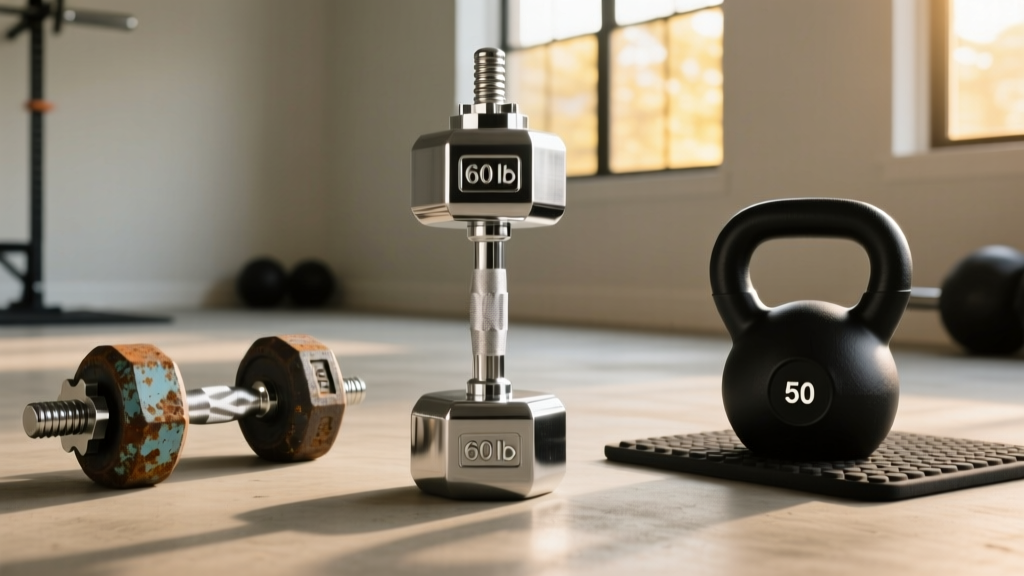
How to Maintain Gold's Gym Dumbbells & Loadable Plates
Learn expert maintenance tips for Gold's Gym dumbbells. Discover how to clean spinlock threads, prevent rust on loadable plates, and extend gear life.

The Anatomy of Gold's Gym Loadable Dumbbells
When building a budget-friendly home gym, loadable dumbbells with interchangeable plates remain one of the most cost-effective investments available. Gold's Gym dumbbells, particularly their classic 14-inch chrome handles and standard 1-inch diameter plate sets, have been a staple in garage gyms for decades. However, unlike fixed-weight urethane or rubber hex dumbbells, loadable sets feature multiple mechanical failure points: machined sleeve threads, spinlock collars, and the plates themselves (which typically come in either solid cast iron or vinyl-coated cement). Understanding the specific anatomy of your equipment is the first step in establishing a proper maintenance care routine that ensures longevity and, more importantly, user safety.
The 14-inch handle is designed with a central grip featuring a textured chrome or knurled finish, flanked by two smooth sleeves ending in threaded grooves. The spinlock collar (sometimes a smooth nut, sometimes a star-lock design) secures the interchangeable plates. Over time, the friction of metal-on-metal threading, combined with sweat, chalk, and environmental humidity, creates a high-risk environment for thread degradation and sleeve corrosion.
⚠️ CRITICAL WARNING: The WD-40 MythNever use standard WD-40 to lubricate the spinlock threads on your Gold's Gym dumbbells. WD-40 is primarily a solvent and water displacer, not a long-term lubricant. It will strip away existing factory grease, attract microscopic dust and chalk particles, and eventually form an abrasive paste that will permanently strip the machined threads. Always opt for White Lithium Grease or a PTFE-based dry lubricant.
Routine Maintenance Schedule
To maximize the lifespan of your loadable dumbbell set, implement a strict maintenance cadence. According to equipment longevity guidelines highlighted by ACE Fitness, proactive inspection of resistance training equipment drastically reduces the risk of catastrophic failure during overhead or heavy pressing movements.
| Frequency | Component | Action Required | Tools Needed |
|---|---|---|---|
| Post-Workout | Handle Grip & Sleeves | Wipe down with a microfiber cloth and mild disinfectant to remove sweat and oils. | Microfiber cloth, non-corrosive spray |
| Weekly | Spinlock Threads | Brush out chalk dust and debris from the thread grooves. | Stiff nylon bristle brush |
| Monthly | Threads & Collars | Apply a thin layer of White Lithium Grease to the handle threads and inside the collar. | White Lithium Grease, rag |
| Bi-Annually | Cast Iron Plates | Inspect for micro-rust spots; apply a light coat of 3-in-One oil or clear enamel if bare. | 3-in-One oil, fine steel wool |
Troubleshooting Common Failure Modes
Even with meticulous care, loadable dumbbells endure significant mechanical stress, especially when dropped or overloaded asymmetrically. Below is a diagnostic matrix for the most frequent issues encountered with Gold's Gym interchangeable plate sets.
| Issue | Root Cause | Corrective Action | Est. Replacement Cost |
|---|---|---|---|
| Cross-threaded Collar | Forcing the spinlock nut at an angle; chalk buildup in grooves. | Replace collar immediately. Do not use a damaged collar as it can slip mid-set. | $8 - $12 (pair) |
| Rattling / Shifting Weight | Internal cement fracture in vinyl-coated plates; loose collar. | Retire vinyl plate. Cement shifts the center of gravity, risking wrist strain. | $15 - $25 (per plate) |
| Bent Sleeve | Dropping the dumbbell from overhead or bench height onto hard flooring. | Replace handle. A bent sleeve will prevent plates from seating flush. | $18 - $25 (per handle) |
| Surface Rust on Sleeves | High humidity; storing directly on concrete floors. | Scrub with white vinegar and a brass wire brush, then reseal with oil. | $6 (cleaning supplies) |
Restoring Rusted Cast Iron Plates: A Step-by-Step Protocol
If you own the cast iron version of Gold's Gym dumbbells, surface oxidation is inevitable if the equipment is kept in a non-climate-controlled garage. Rust not only degrades the aesthetic but can cause the plates to fuse together or stain your flooring. For deep restoration, follow this metallurgical cleaning protocol recommended by home and hardware experts at Bob Vila.
- The Acetic Acid Soak: Submerge the rusted cast iron plates in a plastic tub filled with standard white vinegar (5% acetic acid). Let them soak for 24 to 48 hours. The acid will break down the iron oxide without damaging the base metal.
- Mechanical Agitation: Remove the plates and immediately scrub them with a stiff brass wire brush. Brass is softer than steel and iron, meaning it will strip the rust without gouging the plate's surface.
- Alkaline Neutralization: This step is frequently skipped but is vital. Submerge the plates in a bath of water mixed with baking soda (1 cup per gallon) for 15 minutes to neutralize the residual acid. If skipped, the acid will continue to eat the metal, causing flash-rusting within hours.
- Sealing the Metal: Dry the plates completely with a towel and a heat gun or hair dryer. Immediately apply a protective barrier. For a matte, factory-like finish, use a clear rust-preventative enamel spray. For a traditional gym feel, rub the plates down with a light coat of mineral oil or 3-in-One oil.
Optimal Loading Sequences and Handling
How you load your interchangeable plates directly impacts the structural integrity of the dumbbell handle. Always load the largest diameter plates (e.g., the 25 lb or 10 lb plates) closest to the central grip, followed by smaller plates (5 lb, 2.5 lb) on the outside.
The Physics of Loading: Placing heavier, wider plates on the outside increases the bending moment on the sleeve. By keeping the mass closer to the handle's center of gravity, you reduce the lateral torque applied to the sleeve-to-handle weld joint, significantly reducing the risk of the sleeve snapping off during heavy floor presses or lunges.
Furthermore, never drop loadable dumbbells. Unlike solid rubber hex dumbbells designed to absorb impact, the hollow nature of some vinyl plates and the rigid welds of chrome handles make them highly susceptible to impact fractures. Always lower the weights under control to a rubber mat or dedicated dumbbell rack.
Environmental Storage Considerations
According to facility maintenance standards outlined by the National Strength and Conditioning Association (NSCA), environmental control is paramount for free weight longevity. Concrete floors act as moisture wicks, drawing humidity directly into metal equipment. Never store your Gold's Gym loadable dumbbells directly on a bare concrete floor. Utilize a raised wooden or metal storage rack, or at minimum, place a thick rubber horse-stall mat beneath your equipment area. Keep the ambient humidity of your gym space below 60% to prevent the onset of flash rust on the machined threads and cast iron plates.
By adhering to these targeted maintenance protocols, your loadable dumbbell set will easily survive decades of heavy use, providing a safe, reliable, and highly versatile training stimulus without the need for costly replacements.
More gear to consider
All reviews
Lying Dumbbell Chest Fly Mistakes & Barbell Collar Clamp Comparison

Power Rack vs Squat Rack vs Stand: Squats & Dumbbell Backward Lunges

Best Neoprene Dumbbells for Dumbbell Resistance Training (2026)
Adjustable Dumbbell Review & Dumbbell Spotter Guide (2026)

What Happens If I Do Dumbbells Everyday? Olympic vs Standard Plates