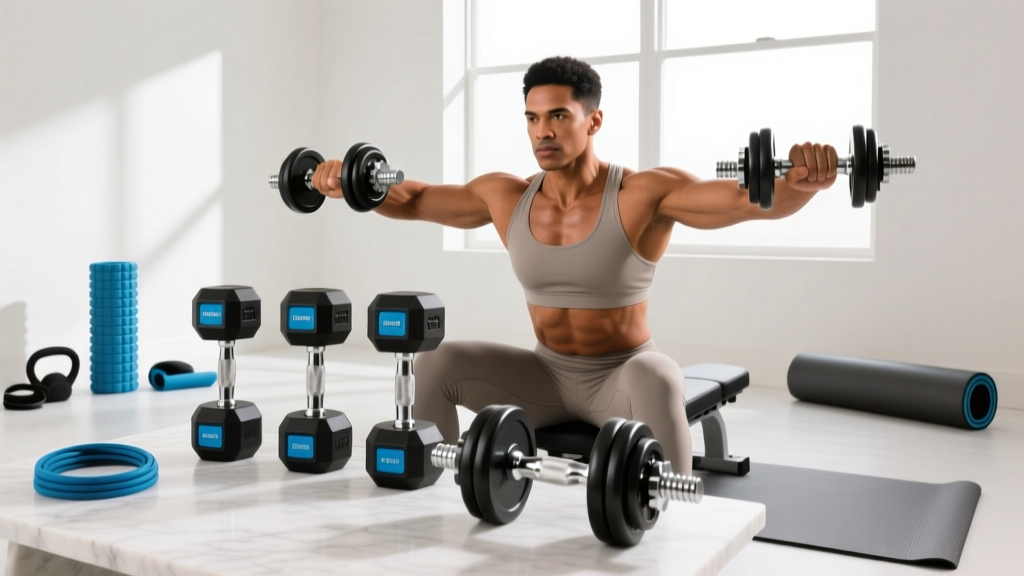
Maintain Your Dumbbell or Kettlebell Rack for Longevity
Learn essential maintenance tips for your dumbbell or kettlebell rack. Prevent rust, ensure structural integrity, and extend your gym storage lifespan.

The Hidden Costs of Neglected Gym Storage
Investing in a high-quality storage solution for your free weights is only half the battle. Whether you are organizing a commercial facility or a dedicated garage gym, the way you maintain your dumbbell or kettlebell rack dictates its lifespan, safety, and aesthetic appeal. In 2026, commercial-grade 3-tier racks from brands like Rogue Fitness and Rep Fitness represent a significant capital expenditure, often ranging from $170 to over $400 depending on the tier count and steel gauge. Replacing a warped or rusted rack due to poor maintenance is an entirely avoidable expense.
Free weight storage systems endure unique stresses. Unlike barbells that are hung on J-cups, dumbbells and kettlebells are dropped, scraped, and slid onto shelving tiers. This constant friction, combined with the introduction of sweat and humidity, creates a hostile environment for steel and protective coatings. According to NSCA facility guidelines, proactive equipment maintenance is a cornerstone of both safety and long-term budget management in any weight room.
⚠️ Safety Warning: A compromised rack weld or heavily corroded shelf bracket can fail catastrophically under a dynamic load. If you notice visible sagging or hairline cracks near the gussets on your rack, immediately offload the weights and inspect the structural integrity before further use.The Chemistry of Sweat and Steel Corrosion
Human sweat is not just water; it is a complex saline solution containing sodium chloride, urea, and lactic acid, typically registering a pH between 4.5 and 7.0. When an athlete grabs a heavy kettlebell and then sets it back on the rack, that acidic moisture transfers to the shelving tier. Over time, this compromises the powder-coat finish.
Most premium racks feature a medium-gloss powder coat that is roughly 2 to 3 mils thick. While highly resistant to chipping, micro-scratches from the flat edges of hex dumbbells or the rounded horns of competition kettlebells expose the underlying steel. Once the bare 11-gauge or 14-gauge steel is exposed to the chlorides in sweat, oxidation (rust) begins within 48 hours in environments with humidity levels above 50%.
Choosing the Right Cleaning Agents
Never use bleach-based or highly alkaline degreasers on your rack. These strip the protective polymers in the powder coat. Instead, use a pH-neutral cleaner or a dilute mixture of water and mild dish soap. For sanitization, quaternary ammonium compounds (quats) are preferred in commercial settings as they are effective against pathogens but gentle on powder-coated steel.
Routine Maintenance Schedule for Rack Longevity
To maximize the lifespan of your storage solutions, implement a tiered maintenance schedule. Consistency is far more effective than occasional deep-cleaning.
| Frequency | Maintenance Task | Tools & Materials Required |
|---|---|---|
| Daily | Wipe down shelves and uprights to remove sweat, chalk dust, and skin oils. | Microfiber cloths, pH-neutral spray cleaner. |
| Weekly | Inspect UHMW plastic liners for deep gouges or displacement. | Flashlight, replacement UHMW strips if needed. |
| Monthly | Check hardware torque on all tier bolts and base gussets. | Torque wrench, appropriate hex/Allen sockets. |
| Annually | Touch up powder coat chips, inspect welds for micro-fractures, lubricate leveling feet. | Rust-inhibitive enamel, wire brush, 3-in-One oil. |
Structural Integrity: Load Limits and Hardware Torque
A common failure mode for free weight racks is hardware loosening due to the vibration of heavy weights being dropped onto the shelves. When a 100 lb dumbbell or a 2-pood (72 lb) kettlebell is set down forcefully, the kinetic energy travels through the shelf and into the mounting bolts.
Torque Specifications and Hardware Upgrades
Most commercial racks utilize 5/16-inch Grade 5 or Grade 8 zinc-plated bolts. The optimal torque specification for these bolts in a vibration-heavy environment is between 40 and 50 ft-lbs. If your rack wobbles, the issue is rarely a bent frame; it is almost always uneven bolt tension. Use a calibrated torque wrench to ensure uniform tightness across all four uprights and tier brackets.
"Upgrading standard zinc-plated hardware to stainless steel or black-oxide coated Grade 8 bolts can significantly reduce the risk of bolt-head corrosion, which frequently seizes the threads and makes future maintenance impossible."
Understanding Point-Loads vs. Distributed Loads
Kettlebells and hex dumbbells apply force differently. Hex dumbbells distribute their weight across a flat edge, whereas kettlebells concentrate their mass onto a small, rounded base. This creates a severe point-load on the center of the shelf tier. If you are using a rack rated for 1,000 lbs of distributed weight, you should not exceed 60% of that capacity if you are exclusively storing heavy kettlebells, as the localized stress can cause the center of the shelf to deflect or bow over time. To combat this, ensure your rack features a center support bracket or a reinforced lip on each tier.
Surface Care: Protecting the Rack and Your Flooring
The interface between the bottom of the rack and your gym floor is a prime location for hidden damage. Steel rack feet resting directly on rubber horse-stall mats or rolled rubber flooring can trap moisture, leading to galvanic corrosion and severe floor staining.
- Use UHMW Base Pads: Ultra-High Molecular Weight polyethylene pads should be placed under every foot of the rack. UHMW is impervious to moisture and will not chemically react with rubber flooring.
- Adjustable Leveling Feet: Garage floors are rarely perfectly level. Relying on shims to stabilize a heavy dumbbell rack is dangerous. Invest in racks with threaded, adjustable steel leveling feet to ensure all four corners share the load equally.
- Shelf Liners: If your rack did not come with UHMW or rubber shelf liners, purchase aftermarket adhesive UHMW tape. This prevents the metal-on-metal screeching of iron dumbbells and protects the rack's powder coat from being scraped away by aggressive knurling or cast-iron seams.
Troubleshooting Common Rack Failure Modes
Even with meticulous care, issues can arise. Here is how to address the most common problems associated with free weight storage systems.
1. Rust Blooming Under the Powder Coat
The Problem: You notice bubbles or a rough texture under the paint, indicating rust is spreading beneath the coating.
The Fix: Do not simply paint over it. Use a wire wheel attachment on a rotary tool to strip the affected area down to bare, shiny steel. Apply a self-etching primer to bite into the metal, followed by a color-matched rust-inhibitive enamel (such as Rust-Oleum Professional). Allow 24 hours to cure before placing weights back on the tier.
2. Severe Shelf Deflection (Sagging)
The Problem: The bottom tier of your 3-tier rack is visibly bowing in the center.
The Fix: This indicates the steel gauge is insufficient for the point-loads being applied, or the rack is overloaded. Immediately redistribute the heaviest weights to the floor or a dedicated low-tier storage block. For a permanent fix, you can weld a 1-inch square steel tubing cross-brace underneath the sagging tier, or contact the manufacturer for a heavy-duty shelf replacement.
3. Chipped Powder Coat on Tier Lips
The Problem: The front edge of the shelves is chipped and exposing raw steel due to users dropping dumbbells onto the lip.
The Fix: Install heavy-duty rubber edge guards (commonly used for garage door bumpers or industrial shelving) over the front lip of each tier. This absorbs the impact of misaligned weight drops and completely eliminates edge-chipping.
Final Thoughts on Equipment Stewardship
Maintaining your dumbbell or kettlebell rack is not merely about keeping your gym looking pristine; it is a critical safety protocol. By understanding the material science of your equipment, adhering to a strict torque and cleaning schedule, and proactively addressing micro-damage before it becomes structural failure, you ensure your storage solutions will safely support your training for decades. For more comprehensive guidelines on commercial and home gym upkeep, always refer to the manufacturer's specific care instructions and established strength and conditioning facility standards.
More gear to consider
All reviews
Beginner Guide to Dumbbell Scoops Using Neoprene Weights

Bumper vs Iron Plates: Best Picks for the Dumbbell Bench Reverse Hyper
Barbell Collar Comparison & Upper Back Workouts with Dumbbells
EZ vs Straight Bar Care & Dumbbell Clean and Press Muscles Worked

Shoulder Exercises with Dumbbells: Neoprene Home Mistakes & Fixes