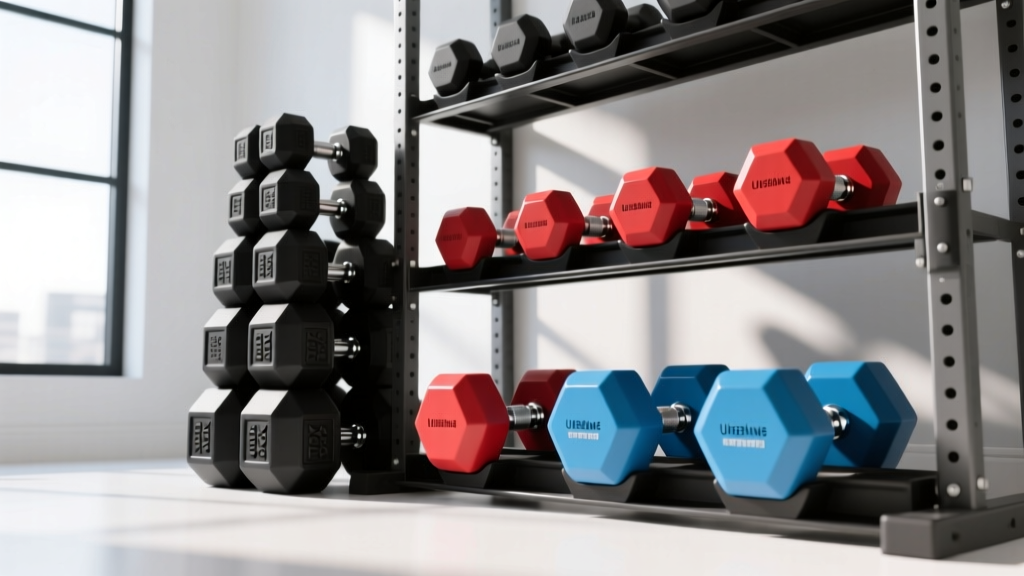
Bumper vs Iron Plate Maintenance & Dumbbells for Chest Press Care
Compare bumper plate vs iron plate longevity. Learn expert maintenance tips to prevent rust, protect floors, and care for dumbbells for chest press routines.

The Material Science of Gym Equipment Degradation
As home gym setups in 2026 continue to integrate precision-machined adjustable weights and high-density flooring, the fundamental battle against material degradation remains unchanged. Whether you are outfitting a commercial facility or a garage gym, understanding the chemical and physical wear patterns of your free weights is critical. The debate between bumper plates and cast iron plates usually centers on drop-tolerance and noise, but from a longevity and maintenance perspective, they present entirely different chemical challenges.
Cast iron is an alloy of iron and carbon, highly susceptible to oxidation when exposed to ambient humidity. Bumper plates, conversely, are constructed from vulcanized rubber or polyurethane, which face threats from ultraviolet (UV) radiation, ozone exposure, and extreme temperature fluctuations. Properly maintaining these plates not only extends their lifespan by decades but also protects the surrounding ecosystem of your gym—including the intricate mechanisms of your dumbbells for chest press variations and your specialized shock-absorbent flooring.
⚠️ Critical Warning: Never use standard WD-40 on bare cast iron plates. WD-40 is primarily a solvent and water-displacer, not a long-term lubricant or rust-inhibitor. It will strip existing protective oils and leave the iron porous and vulnerable to rapid flash-rusting within 48 hours.Cast Iron Plate Longevity: Fighting the Oxidation Battle
Bare cast iron plates, such as the classic Titan Fitness or vintage York Barbell models, offer unmatched durability and a premium, knurled grip. However, according to BarBend's comprehensive guide on iron plates, uncoated iron will begin to oxidize (rust) when relative humidity exceeds 60%. The oxidation process literally consumes the metal, pitting the surface and compromising the structural integrity of the inner hub.
Step-by-Step Iron Restoration Protocol
If you have acquired used iron plates or neglected your current set, restoration is highly cost-effective compared to buying new urethane-coated alternatives.
- Chemical Stripping: Submerge heavily rusted plates in a bath of Evapo-Rust (a non-toxic chelating agent) for 12 to 24 hours. This selectively removes iron oxide without damaging the base metal. A single $25 gallon can treat up to 300 pounds of plates.
- Mechanical Agitation: For surface-level rust, use a brass wire brush attached to a cordless drill. Brass is softer than steel and iron, meaning it will strip the rust without scratching the machined surfaces of the plate.
- Neutralization and Sealing: Wipe the plates down with mineral spirits to remove any residual moisture. Immediately apply a micro-thin layer of 3-IN-ONE oil or a specialized automotive paste wax (like Meguiar's Gold Class). Buff it dry with a microfiber cloth to prevent a greasy residue that could transfer to your barbell knurling.
Bumper Plate Care: Preserving the Vulcanization
Bumper plates are essential for Olympic lifting and high-impact drops, but their rubber composition requires a completely different maintenance paradigm. Virgin rubber bumpers, like the Rogue Echo Bumpers (rated at a 90A Shore durometer), are highly resilient but vulnerable to environmental breakdown.
The Storage and Environment Matrix
The most common failure mode for bumper plates is not from dropping them, but from improper storage. Leaving plates outside or in direct sunlight exposes the rubber to UV radiation and ozone. This breaks the polymer chains created during the vulcanization process, leading to 'dry rot,' micro-cracking, and eventual edge delamination.
- Vertical vs. Horizontal Storage: Always store bumper plates vertically on a weight tree or wall-mounted rack. Storing them horizontally in heavy stacks for months on end can cause the bottom plates to compress and permanently deform, resulting in an uneven bounce and a wobbly barbell during lifts.
- Temperature Control: Rubber becomes brittle in freezing temperatures. If your garage gym drops below 40°F (4°C) in the winter, allow the plates to acclimate to room temperature before subjecting them to high-impact drops. Dropping frozen bumpers is the leading cause of catastrophic hub separation.
- Cleaning Agents: Avoid harsh degreasers like undiluted Simple Green or bleach-based cleaners. These strip the natural oils from the rubber. Instead, use a 10:1 water-to-mild-dish-soap solution and a stiff nylon brush to remove chalk and dirt from the textured surface.
'The lifespan of a high-quality virgin rubber bumper plate is easily 10 to 15 years in a climate-controlled environment, whereas crumb rubber bumpers exposed to UV light and moisture will begin to shed and delaminate within 3 to 5 years.' — Equipment Durability Analysis, Garage Gym Reviews
Kinetic Shock: Flooring, Plates, and Dumbbells for Chest Press
Maintenance does not happen in a vacuum; it is deeply tied to the physical environment of your gym. The kinetic energy generated during heavy lifts transfers through your equipment and into your flooring. This is especially relevant when analyzing the synergy between your plate storage, your flooring, and your adjustable free weights.
When executing high-fatigue drop sets with dumbbells for chest press movements, the repeated impact of setting down or dropping heavy adjustable dumbbells (such as the PowerBlock Elite or Rogue Adjustable models) creates localized vibration and shockwaves. If your flooring lacks adequate shock absorption, these vibrations travel through the subfloor and can actually rattle stored iron plates on nearby trees, causing metal-on-metal abrasion at the hub. Furthermore, the intricate dial mechanisms or urethane casings of premium adjustable dumbbells are highly sensitive to micro-fractures caused by concrete-level shock transfer.
💡 The 3/4-Inch Flooring Rule
To protect both your dropped dumbbells for chest press routines and your expensive bumper plates, industry standards dictate the use of 3/4-inch (19mm) thick vulcanized horse stall mats. These mats absorb the kinetic shock, preventing the rebound effect that can chip iron plates or crack the internal welds of adjustable dumbbells. Never drop weights directly onto plywood or thin foam puzzle mats.
Maintenance Comparison Matrix
Use the table below to benchmark your current maintenance routines against industry best practices for 2026.
| Material Type | Primary Failure Mode | Recommended Cleaning Agent | Restorative Cost | Lifespan Expectancy |
|---|---|---|---|---|
| Bare Cast Iron | Oxidation (Rust) & Pitting | 3-IN-ONE Oil, Brass Brush | $15 - $30 (Chelating bath) | 50+ Years |
| Virgin Rubber Bumper | UV/Ozone Cracking, Hub Separation | Mild Dish Soap, Nylon Brush | $0 (Preventative care) | 10 - 15 Years |
| Crumb Rubber Bumper | Edge Delamination, Shedding | Damp Microfiber Cloth | N/A (Unrepairable) | 3 - 5 Years |
| Urethane Coated | Surface Scratching, Yellowing | Isopropyl Alcohol (70%) | $0 (Highly durable) | 20+ Years |
Expert Troubleshooting FAQ
Why are my bumper plates leaving black scuff marks on my floor?
This is a common issue with lower-durometer crumb rubber plates or plates that have accumulated oxidized rubber dust on their edges. To resolve this, scrub the outer edges of the plates with a stiff nylon brush and a 10% white vinegar solution. This removes the degraded outer layer of rubber. Additionally, ensure your 3/4-inch flooring mats are sealed; unsealed porous mats will absorb the rubber dust and make the scuffs appear permanent.
Can I use silicone spray to make my iron plates look new?
While silicone spray will provide a temporary, glossy black finish to cast iron or steel plates, it is highly discouraged. Silicone transfers easily to your hands, your barbell shaft, and the handles of your dumbbells for chest press routines, creating a severe slipping hazard during heavy lifts. Stick to dry buffing with paste wax or using minimal, thoroughly buffed mineral oil.
How do I fix a loose steel insert in a bumper plate?
If the central steel hub of your bumper plate becomes loose or wobbles on the barbell sleeve, the vulcanized bond has failed. You can temporarily repair this by cleaning the gap with isopropyl alcohol and injecting a high-strength, flexible polyurethane adhesive (like Gorilla Polyurethane Glue). Clamp the insert centrally and let it cure for 24 hours. However, if the rubber around the insert is torn, the plate is structurally compromised and should be retired from overhead drops.
More gear to consider
All reviews
Rack Layouts for the Standing Overhead Press with Dumbbells
Dumbbell Fly Standing Variations: 2026 Loadable Market Trends

Best Adjustable Dumbbells for Your First Dumbbell WOD (2026)

Rack Storage & Care for Lat Pulldowns and Dumbbells

Olympic vs Standard Plates: Rack Setup & 35lb Dumbbells Guide