
Long Dumbbell vs Olympic Barbell: Beginner Guide to Weight & Knurling
Confused between a long dumbbell and an Olympic barbell? Learn step-by-step how to choose the right barbell weight, shaft diameter, and knurling.

The "Long Dumbbell" Confusion: Why Terminology Matters
When outfitting a first home gym, many beginners search for a "long dumbbell" to perform heavy compound lifts like squats, deadlifts, and floor presses. In the fitness industry, this colloquial term usually refers to a fixed-weight barbell, a plate-loaded 1-inch standard bar, or an extra-long dumbbell handle. However, if your goal is progressive overload, safety, and long-term strength gains, what you actually need is a true Olympic barbell.
Unlike a makeshift long dumbbell, an Olympic barbell features 2-inch rotating sleeves, precise weight calibration, and engineered knurling. This step-by-step guide will walk you through the critical buying factors—specifically weight standards and knurling profiles—so you can make an informed purchase in 2026 without wasting money on subpar equipment.
🛑 Beginner Trap: Standard 1-inch "long dumbbells" or cheap Amazon barbells often max out at 200 lbs and lack sleeve rotation. This causes severe wrist strain during heavy cleans or squats. Always invest in a 2-inch Olympic barbell.Step 1: Understand Olympic Weight Standards
The first step in upgrading from a long dumbbell to a proper barbell is understanding international weight standards. According to the International Weightlifting Federation (IWF), Olympic barbells are strictly categorized by gender and use-case, which dictates their total weight and length.
The 20kg (44 lb) Men's Bar
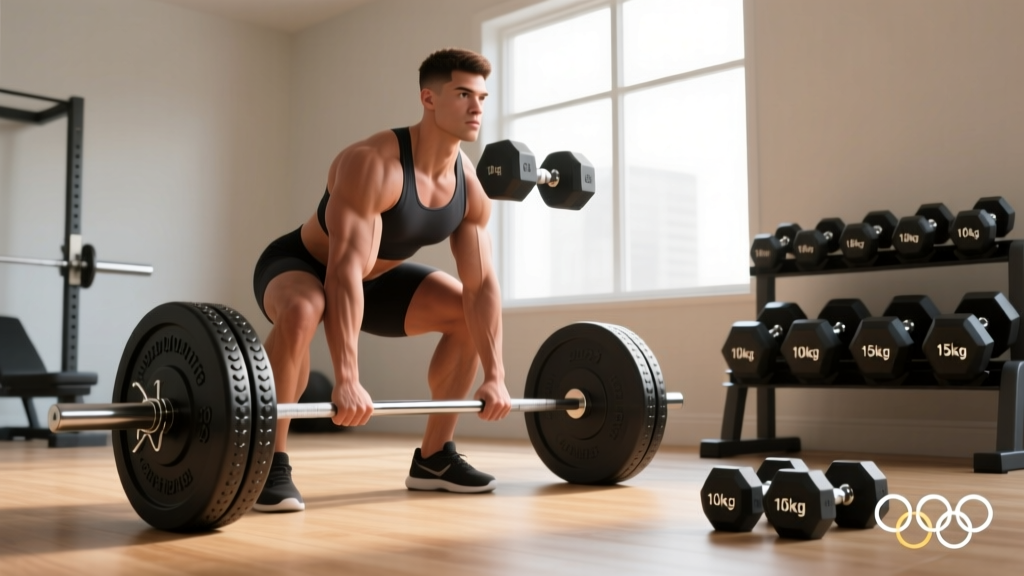
The standard men's Olympic bar weighs exactly 20kg (roughly 44 lbs, though often rounded to 45 lbs in commercial gyms). It measures 2.2 meters (7.2 feet) in length with a 28mm to 29mm shaft diameter. This is the most versatile option for general strength training, powerlifting, and bodybuilding.
The 15kg (33 lb) Women's Bar
The women's Olympic bar weighs 15kg (33 lbs) and is slightly shorter at 2.01 meters (6.6 feet). Crucially, it features a thinner 25mm shaft diameter, making it significantly easier for lifters with smaller hands to achieve a secure hook grip. Do not buy a 20kg bar if you have small hands and struggle to grip a standard long dumbbell handle; the 15kg bar is a game-changer for joint comfort.
Step 2: Decode the Knurling Profile
Knurling is the cross-hatched pattern machined into the steel shaft that provides grip. As noted by the equipment testing experts at Garage Gym Reviews, the shape and depth of the knurl matter far more than just its presence. Here is how to choose the right profile for your hands.
| Knurl Profile | Characteristics | Best For | Example Model |
|---|---|---|---|
| Hill (Light) | Shallow peaks, smooth feel. Minimal skin tearing. | High-rep CrossFit, beginners, Olympic lifting. | Eleiko Olympic WL Bar |
| Volcano (Medium) | Deep grooves with a flattened peak. Maximum surface area. | All-around lifters, mixed martial arts, daily use. | Rogue Ohio Bar ($295) |
| Mountain (Aggressive) | Sharp, deep, pointy peaks. Bites into the skin aggressively. | Heavy powerlifting (deadlifts, low-bar squats). | Rogue Ohio Power Bar |
"The 'volcano' knurl is widely considered the gold standard for 90% of home gym owners in 2026. It provides the grip security of an aggressive mountain knurl without shredding your calluses during high-volume hypertrophy work."
Step 3: Evaluate Center Knurling Placement
When transitioning from dumbbells to a barbell, you will notice a patch of knurling in the exact center of the shaft. This is designed to grip your upper back during back squats and prevent the bar from sliding. However, not all center knurls are created equal.
- Powerlifting Bars: Feature a wide, aggressive center knurl to bite into your shirt and back during heavy, low-rep squats.
- Weightlifting Bars: Have a very smooth or completely absent center knurl so the bar glides smoothly against your collarbones during cleans and front squats.
- Multi-Purpose Bars: Offer a mild, passive center knurl. If you only have the budget and space for one barbell, a multi-purpose bar with a passive center knurl is the safest choice.
Step 4: Shaft Diameter and "Whip"
The diameter of the barbell shaft directly impacts how the bar flexes under load—a phenomenon known as "whip." While a rigid long dumbbell won't bend, a properly engineered Olympic barbell will.
Diameter Breakdown:
- 25mm: Found exclusively on 15kg women's bars. High whip, excellent for smaller hands.
- 28mm: The standard for Olympic weightlifting. Provides optimal whip to help bounce the bar out of the bottom of a clean or snatch.
- 28.5mm: The sweet spot for multi-purpose bars (like the Rogue Ohio Bar). Offers a balance of rigidity for squats and slight whip for dynamic movements.
- 29mm: Standard for powerlifting bars. Extremely stiff to ensure the bar doesn't whip and throw you off balance during a 500lb deadlift or heavy bench press.
Step 5: Your Step-by-Step Purchasing Framework
Ready to retire the long dumbbell and buy your first real barbell? Follow this exact decision matrix:
The 2026 Home Gym Buyer's Checklist
- Define Your Primary Lift: If you mostly deadlift and squat, buy a 29mm Power Bar with mountain knurling. If you do CrossFit or Olympic lifts, buy a 28mm WL bar with hill knurling. If you do a bit of everything, buy a 28.5mm Multi-Purpose bar with volcano knurling.
- Check the Sleeve Assembly: Ensure the bar uses bushings (bronze or composite) for slow, controlled lifts, or needle bearings for explosive Olympic lifts. Avoid cheap bars with solid steel-on-steel sleeves.
- Verify the Tensile Strength: Look for a tensile strength of at least 190,000 PSI. Anything lower (like 130,000 PSI found in big-box store bars) risks permanent bending if you drop a heavy deadlift.
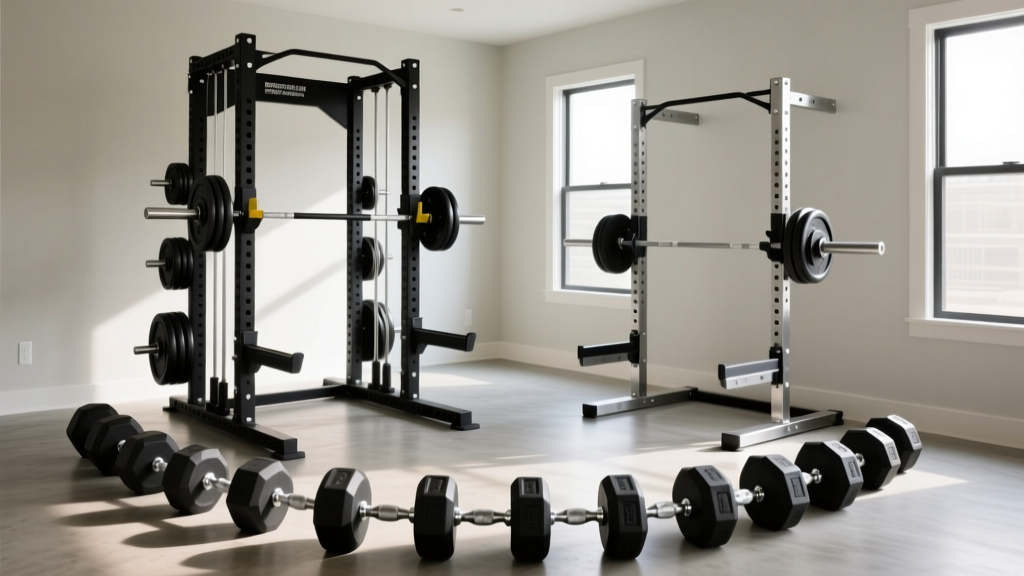
- Match Your Rack: Ensure your power rack or squat stands are designed for 2-inch Olympic sleeves. Standard 1-inch racks will not fit a true Olympic barbell.
Final Thoughts on Upgrading Your Arsenal
Leaving the "long dumbbell" behind is a major milestone in your lifting journey. By prioritizing a 20kg or 15kg Olympic barbell with the correct knurl profile (volcano for most, mountain for powerlifters) and an appropriate shaft diameter, you are investing in a tool that will literally outlive you. Spend the $250 to $350 on a reputable multi-purpose bar from a trusted manufacturer, pair it with calibrated bumper plates, and experience the difference that precision-engineered steel makes in your daily training.
More gear to consider
All reviews
Space Layouts: Bumper vs Iron Plates for a Dumbbell Push Press Workout
Power Rack vs Squat Stand: How to Draw Dumbbells & Plan Your Gym

EZ Curl Bar vs Straight Bar & Low to High Dumbbell Fly Budget Guide

Kettlebell Guide: Better Than Dumbbell Exercises to Reduce Belly Fat?
Barbell Guide: Knurling, Weight & Quadriceps Exercises with Dumbbells
