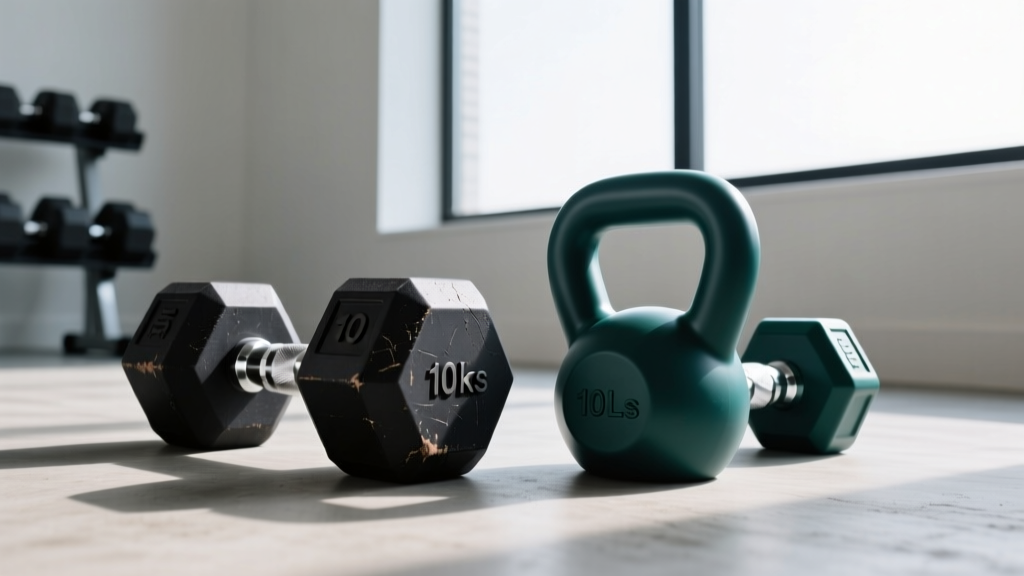
10 lbs Dumbbell Set Care: Rubber Hex vs Urethane Longevity
Discover expert maintenance tips for your 10 lbs dumbbell set. Compare rubber hex vs urethane durability, cleaning routines, and longevity secrets.

While heavy barbells and massive kettlebells often steal the spotlight in home gym discussions, a high-quality 10 lbs dumbbell set remains the undisputed workhorse for physical therapy, high-rep metabolic conditioning, and rotational core work. According to the Centers for Disease Control and Prevention (CDC), lighter resistance training is critical for joint rehabilitation and muscular endurance in aging populations. Yet, because these lighter weights are subjected to high-volume handling, sweat exposure, and frequent drops, their coating integrity is constantly tested.
When investing in a 10 lbs dumbbell set, buyers typically face a critical fork in the road: vulcanized rubber hex or cast-core polyurethane (urethane). As of 2026, the manufacturing processes for both have evolved, but their chemical compositions demand entirely different maintenance protocols. This guide breaks down the material science, failure modes, and exact care routines required to maximize the lifespan of your light dumbbells.
The Material Science: Why Coating Matters for Light Weights
To understand maintenance, you must first understand the molecular battlefield happening on your gym floor.
Material Breakdown:Vulcanized Rubber: Created by cross-linking natural or synthetic rubber polymers (like styrene-butadiene) with sulfur under high heat. It is highly elastic but porous at a microscopic level, making it susceptible to oil absorption and UV degradation.
Polyurethane (Urethane):strong> A dense polymer formed by reacting diisocyanates with polyols. As noted by the British Plastics Federation (BPF), urethane's carbamate links provide exceptional abrasion resistance and chemical inertness, making it virtually non-porous.
Because a 10 lbs dumbbell has a smaller physical footprint than a 50 lbs dumbbell, the edges of the hex heads take a disproportionate amount of impact force per square inch when set down on hard surfaces. This makes edge-chipping and coating delamination the primary failure points for lighter weights.
Rubber Hex Dumbbells: Maintenance & Failure Modes
Rubber hex dumbbells (such as the ubiquitous CAP Barbell or Yes4All models) are the entry-level standard. A pair typically costs between $30 and $45. While economical, rubber requires proactive maintenance to prevent it from turning into a chalky, foul-smelling mess.
Common Failure Modes
- UV Dry Rot: Prolonged exposure to sunlight breaks down the sulfur bonds in vulcanized rubber, leading to micro-fissures and a chalky white residue.
- Handle Oxidation: Sweat pools at the exact junction where the rubber head meets the steel handle, leading to localized rust rings that eventually cause the head to loosen.
- Edge Shearing: Dropping a 10 lb rubber hex on concrete from waist height often results in the rubber 'peeling' away from the internal cast-iron core.
The 3-Step Rubber Care Protocol
- Bi-Weekly Wipe Down: Use a microfiber cloth dampened with a 50/50 mix of distilled water and white vinegar. Avoid alkaline cleaners like bleach, which accelerate rubber degradation.
- Bi-Annual Conditioning: Apply 303 Aerospace Protectant to the rubber heads every six months. This replaces lost plasticizers and provides a UV-blocking barrier. Spray onto a cloth first, then rub into the rubber to avoid getting the protectant on the steel handle.
- Junction Sealing: Once a year, apply a single drop of mineral oil or a light silicone spray to the seam where the handle meets the rubber head to displace trapped moisture.
Urethane Dumbbells: The Premium Longevity Standard
Urethane dumbbells, such as the Rogue Urethane Dumbbells or Rep Fitness Urethane series, represent the premium tier. A 10 lbs pair will generally cost between $75 and $110. They are virtually odorless, highly resistant to UV fading, and do not dry rot. However, they are not invincible.
Edge Cases & Vulnerabilities
Urethane's greatest strength—its density—is also its Achilles' heel in extreme environments. In unheated garages where temperatures drop below freezing, urethane becomes temporarily brittle. A 10 lb urethane dumbbell dropped on a concrete floor at 20°F (-6°C) is highly susceptible to shattering or deep gashing, whereas rubber would simply bounce.
Furthermore, urethane is vulnerable to specific solvents. Acetone, paint thinners, and certain harsh degreasers will permanently cloud and soften the polyurethane surface, leaving a sticky residue that attracts dust and dirt.
Head-to-Head Longevity Comparison Matrix
| Metric | Rubber Hex | Urethane |
|---|---|---|
| Average Cost (10 lb Pair) | $30 - $45 | $75 - $110 |
| UV Resistance | Poor (Requires Protectant) | Excellent (Inherently Stable) |
| Cold Drop Tolerance (Below 32°F) | High (Remains Elastic) | Low (Risk of Shattering) |
| Odor Off-Gassing | High (VOCs present for weeks) | None to Negligible |
| Maintenance Interval | Every 6 Months | As Needed (Spot Clean) |
| Expected Indoor Lifespan | 5 - 8 Years | 15 - 20+ Years |
Environmental Storage: The Hidden Killer of 10 lbs Dumbbell Sets
How you store your 10 lbs dumbbell set between workouts dictates its lifespan just as much as the coating material. The most common mistake home gym owners make is leaving dumbbells directly on bare concrete floors.
The 'Concrete Sweat' Phenomenon: Concrete is highly porous and draws moisture from the earth. When a rubber or urethane dumbbell sits flush against cold concrete, it traps ambient humidity at the steel-handle junction. Within 72 hours, this micro-climate will trigger flash rusting on the chrome or zinc handle, eventually compromising the structural bond between the handle and the weight head.
The Solution: Always store your dumbbells on a dedicated rack, a rubber horse-stall mat, or at least a wooden shelf. If you must store them on concrete, place a 2-inch thick EVA foam mat underneath to allow for thermal separation and airflow.
Restoring a Neglected 10 lbs Dumbbell Set
If you have acquired a used set or neglected your current one, do not throw them away. Both rubber and urethane sets can be restored to near-factory condition with a weekend of targeted work.
Step 1: Handle De-Rusting
Do not use sandpaper or wire wheels on the handles, as this removes the factory chrome or zinc plating, guaranteeing future rust. Instead, use a chelating rust remover like Evapo-Rust. Wrap the handle in a paper towel soaked in Evapo-Rust, cover it with plastic wrap to prevent evaporation, and let it sit for 12 hours. Wipe clean with a damp cloth to reveal pristine steel.
Step 2: Coating Deep Clean
For rubber heads caked in chalk, dead skin, and floor grime, use a soft-bristle nylon brush with a diluted solution of Simple Green (1 part Simple Green to 10 parts water). Scrub in circular motions, focusing on the hex corners. Rinse with a damp cloth and let air dry completely before applying 303 Protectant.
Step 3: Urethane Scuff Removal
If your urethane dumbbells have superficial scuffs from rubbing against other equipment, a standard melamine sponge (Magic Eraser) lightly dampened with water will lift the marks without compromising the polyurethane integrity.
Frequently Asked Questions
Can I use WD-40 to clean my rubber hex dumbbells?
No. WD-40 is a petroleum-based solvent that will break down the sulfur bonds in vulcanized rubber, causing it to swell, soften, and eventually dissolve into a sticky sludge. Stick to water-based cleaners and dedicated UV protectants.
Why do my 10 lb urethane dumbbells have a slight seam line?
Urethane dumbbells are manufactured by pouring liquid polyurethane into a two-part steel mold around the forged handle. A microscopic seam line where the mold halves meet is normal and does not indicate a structural defect or compromised longevity.
Is a 10 lbs dumbbell set worth the urethane upgrade for a home gym?
If your 10 lb set is used primarily for high-rep floor work, physical therapy, or in a climate-controlled spare bedroom, standard rubber hex is perfectly adequate. However, if your home gym is in an unventilated basement, a garage with high temperature fluctuations, or a commercial-style setting where multiple users handle the weights daily, the non-porous, odorless nature of urethane justifies the $60+ premium.
More gear to consider
All reviews
EZ Curl Bar vs Straight Bar & B Stance Deadlift with Dumbbells

Dumbbell Split Stance RDL Mistakes & Adjustable Dumbbell Reviews
Best Adjustable Dumbbells for a 20 Pound Dumbbell Workout (2026)

Bumper vs Iron Plates & Chest Exercises with Dumbbells Only

EZ Curl Bar vs Straight Bar: 2026 Trends & the 22 lb Dumbbell Shift