
Loadable Dumbbell Care for Dumbbell Reverse Lunges
Master loadable dumbbell maintenance for dumbbell reverse lunges. Learn how to protect interchangeable plates, collars, and handles from dynamic wear.

Loadable dumbbells with interchangeable plates offer unparalleled versatility and cost-efficiency for home and garage gyms. Whether you are using the Rogue Loadable Dumbbell Handles ($115/pair) or budget-friendly CAP Barbell 2-inch Olympic handles ($45/pair), the ability to swap plates makes them a staple for progressive overload. However, when you subject these modular tools to high-impact, unilateral movements like dumbbell reverse lunges, the connection points between the handle, sleeve, and plates become critical failure zones.
Unlike static bilateral exercises, dynamic lunging introduces asymmetric torque, aggressive grip shifts, and frequent floor drops. If your maintenance routine is lacking, your interchangeable plates will rattle, your collars will slip, and your handle threads will strip. This comprehensive guide details the exact maintenance protocols required to maximize the longevity of your loadable dumbbells when performing dumbbell reverse lunges.
The Biomechanical Stress of Dumbbell Reverse Lunges
To understand why modular dumbbells degrade during lunges, we must look at the biomechanics of the movement. According to exercise biomechanics databases like ExRx.net, the reverse lunge requires significant deceleration forces and lateral stabilization. When you step back and drop your center of gravity, the shifting load places immense asymmetric torque on your wrists and grip.
⚠️ The 'Drop & Drag' Failure Mode: Most lifters pick up heavy loadable dumbbells from the floor, perform their set of dumbbell reverse lunges, and then drop them directly onto the floor while fatigued. The lateral impact of a dropped loadable dumbbell transfers shockwaves directly into the collar mechanism, micro-fracturing cast-iron spinlocks and bending the set-screws on Olympic collars.Choosing and Maintaining the Right Locking Mechanism
Not all loadable dumbbell handles are built equally, and the locking mechanism dictates your maintenance schedule. Below is a breakdown of how different collar types handle the rigors of dynamic lunging.
| Locking Mechanism | Common Models | Lunge Durability | Maintenance Need |
|---|---|---|---|
| Spinlock (Threaded) | CAP Barbell Standard, Yes4All | Low (Threads strip if dropped) | High (Weekly thread cleaning) |
| Set-Screw Collar | Titan Fitness Olympic, Rogue | High (Secure grip, no slip) | Medium (Hex-key tightening) |
| Spring / Clamp Collar | Rogue HG Collars, Lock-Jaw | Medium (Can slide on oily sleeves) | Low (Wipe sleeve clean) |
Why Set-Screw Collars Win for Lunges
When performing heavy dumbbell reverse lunges, your grip naturally rotates slightly at the bottom of the movement to accommodate shoulder mechanics. Spinlock collars often loosen under this rotational friction. Set-screw collars (which use a 3/16-inch hex key to bite into the steel sleeve) eliminate this rotational slip, keeping your interchangeable plates flush and silent.
The 3-Tier Maintenance Protocol for Interchangeable Plates
To keep your loadable dumbbells functioning flawlessly, implement this three-tier maintenance schedule. This protocol specifically targets the dust, chalk, and sweat accumulation that accelerates wear during high-rep leg days.
1. Weekly: Thread and Sleeve Degreasing
During lunges, sweat drips down the handle and pools in the sleeve grooves. Mixed with gym chalk, this creates an abrasive paste that destroys tolerances.
- The Fix: Remove all interchangeable plates. Use a nylon-bristle brush and 90% isopropyl alcohol to scrub the sleeve and the inside of the collars.
- Pro Tip: Never use standard WD-40 to clean your sleeves. It leaves a sticky residue that attracts more dust. Instead, use a PTFE-based dry lubricant like 3-IN-ONE Silicone Spray, which dries completely and reduces friction without attracting chalk.
2. Monthly: Knurling and Plate Calibration
A secure grip is non-negotiable for reverse lunges. If your hands slip, you will instinctively over-grip, leading to premature elbow tendinopathy and unnecessary torque on the dumbbell handle.
- Knurl Care: Use a brass-bristle brush (never steel, which damages the zinc or chrome coating) to dig embedded dead skin and chalk out of the knurling valleys. Follow up with a light wipe of mineral oil to prevent oxidation.
- Plate Inspection: Inspect the center holes of your cast iron or urethane plates. If you use cheap rubber-coated plates, check for internal cracking around the metal insert. A cracked insert will cause the plate to wobble during the eccentric phase of the lunge.
3. Annually: Hardware Replacement
Set-screws and spinlock nuts are wear items. The biting edge of a set-screw dulls after a year of heavy plate swaps. Purchase replacement M8 set-screws or new spinlock nuts annually to ensure a flush, rattle-free lock.
💡 Expert Trick: The Fractional Plate SpacerIf your interchangeable plates rattle during the stepping phase of your dumbbell reverse lunges, it means you have a micro-gap on the sleeve. Slide a 0.25 lb or 0.5 lb fractional plate (or a specialized rubber O-ring spacer) onto the sleeve before tightening the collar. This compresses the stack and completely eliminates the metallic clanking that ruins focus.
Troubleshooting Common Failure Modes
Even with meticulous care, heavy use takes a toll. Here is how to diagnose and fix the most common issues associated with loadable dumbbells.
Problem: The Collar Won't Sit Flush Against the Plates
Cause: Chalk and oxidized metal dust have built up a 'lip' on the inner shoulder of the dumbbell sleeve, preventing the collar from sliding all the way down.
Solution: Take a piece of 400-grit sandpaper, wrap it around the sleeve shoulder, and gently rotate it to sand away the burr. Wipe clean with alcohol before reassembling.
Problem: Spinlock Threads are Crossed or Stripping
Cause: Forcing the nut on at an angle when fatigued after a heavy set of lunges, or dropping the dumbbell directly on the nut.
Solution: If the threads are merely dirty, run a matching die (usually M16 or 1/2-13 depending on the brand) over the handle threads to clean them out. If the threads are physically sheared off, the handle must be retired or sent to a machine shop for re-threading.
Flooring Dynamics: Protecting Your Gear on Impact
The longevity of your loadable dumbbells during dumbbell reverse lunges is heavily dependent on what they land on. Dropping a fully loaded 70 lb dumbbell from waist height generates over 1,500 Newtons of impact force.
If you are training on standard 1/2-inch EVA foam puzzle mats, the shockwave will travel directly through the plates and into the collar mechanism, eventually warping the steel sleeves. To protect your investment, you must use 3/4-inch vulcanized horse stall mats (typically rated at 85A durometer). The dense rubber absorbs the kinetic energy of the drop, sparing the modular connection points of your dumbbells.
Final Thoughts on Gear Longevity
Loadable dumbbells with interchangeable plates are an investment in scalable strength. By understanding the unique mechanical stresses that dumbbell reverse lunges place on your equipment, you can shift from a reactive repair mindset to a proactive maintenance strategy. Keep your sleeves degreased, upgrade to set-screw collars for dynamic movements, and ensure your flooring can handle the impact. With these protocols in place, a high-quality pair of loadable handles will easily survive a decade of heavy unilateral leg training.
More gear to consider
All reviews
Barbell Collar Types: Dumbbell Shoulder Press vs Barbell Shoulder Press
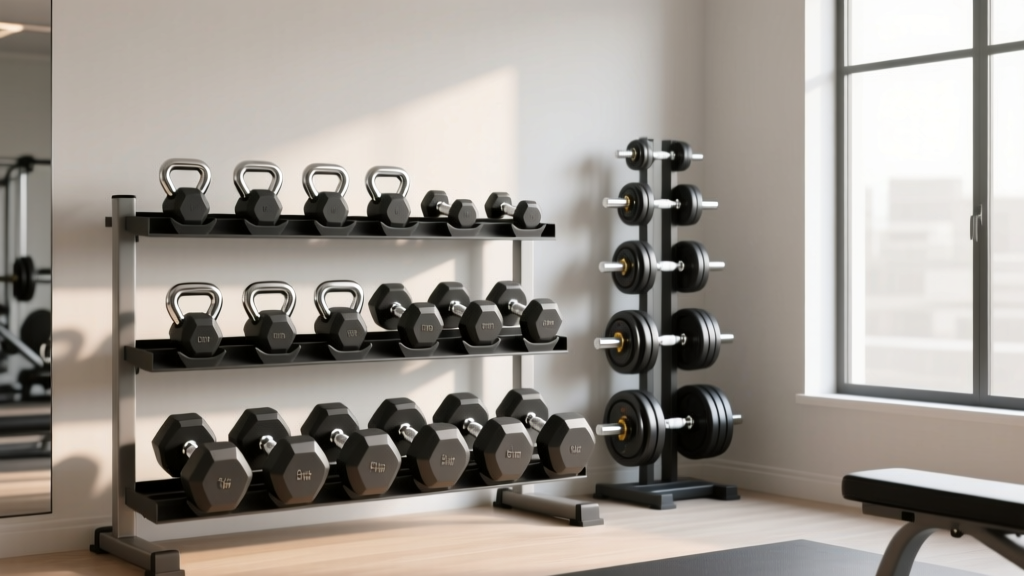
Organizing Your Dumbbell Curl Weight Collection: Storage & Layout

Fix Your Dumbbell Sumo Squat: Adjustable Dumbbell Guide 2026

EZ Curl Bar vs Straight Bar: Cost & Pilates Dumbbell Workouts Value

Dumbbell Thrusters Squat to Press: A Beginner's Neoprene Guide
