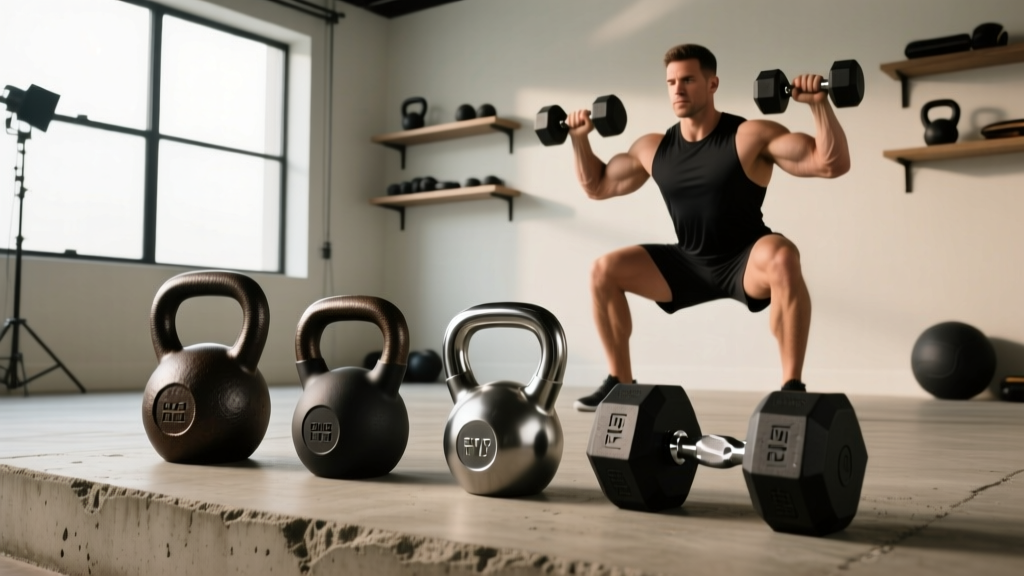
Cast Iron vs Competition Kettlebells & Dumbbell Scaption Raise Care
Master kettlebell longevity with our cast iron vs competition maintenance guide, plus form tips for the dumbbell scaption raise to protect your shoulders.

The Longevity Lens: Cast Iron vs. Competition Kettlebells
When building a home gym in 2026, the debate between cast iron and competition kettlebells extends far beyond aesthetics or price tags. The true differentiator lies in maintenance, material science, and long-term durability. While a buying guide might focus on handle width or bell dimensions, a longevity-focused approach demands we look at how these tools survive decades of humidity, chalk, and high-velocity drops. Furthermore, understanding the biomechanical limits of kettlebells reveals why certain isolation movements—like the dumbbell scaption raise—require entirely different equipment and maintenance protocols.
In this comprehensive guide, we break down the exact maintenance routines required to preserve both cast iron and competition steel kettlebells, while addressing the crucial shoulder-health mechanics of the scaption raise.
Quick Spec Snapshot (2026 Market):- Cast Iron (e.g., Rogue E-Coat): $45–$165 | Varying dimensions | Aggressive knurling | High rust risk if neglected.
- Competition (e.g., Kettlebell Kings Steel): $130–$280 | Uniform 35mm handle | Color-coded paint | Chip risk on drops.
Cast Iron Kettlebell Maintenance: Battling Rust and Pitting
Cast iron is highly porous and prone to oxidation. The longevity of a cast iron bell depends almost entirely on its factory coating and your ongoing environmental control. According to Rogue Fitness, modern manufacturing utilizes either powder coating or electrostatic (e-coat) finishes, each requiring vastly different care.
Coating Types and Care Matrix
| Coating Type | Material Base | Rust Risk | Maintenance Routine |
|---|---|---|---|
| E-Coat | Ductile Iron | High (if scratched) | Monthly mineral oil application; avoid acidic sweat buildup. |
| Powder Coat | Cast Iron | Low | Wipe with damp cloth; use nylon brush for chalk removal. |
| Bare / Machined | Cast Iron | Extreme | Weekly oiling; store in climate-controlled room only. |
Step-by-Step Rust Remediation
If your cast iron kettlebell develops surface rust or pitting from garage humidity, do not panic. Follow this restoration protocol:
- Brush Selection: Attach a brass wire cup brush to your power drill. Never use steel wire brushes; steel bristles can break off and embed into the softer iron, creating new, aggressive rust spots.
- Agitation: Lightly buff the rusted areas at a low RPM until the orange oxidation is removed and raw iron is exposed.
- Solvent Wipe: Clean the bell with mineral spirits or isopropyl alcohol to remove metallic dust and oils.
- Re-seasoning: Apply a thin layer of 3-in-One oil, Boeshield T-9, or food-grade mineral oil. Let it sit for 10 minutes, then buff dry with a microfiber cloth to prevent a sticky residue that attracts chalk and dirt.
Competition Kettlebell Longevity: Preserving Steel and Paint
Competition kettlebells, like those from Kettlebell Kings, are forged from solid steel. They feature a uniform physical size regardless of weight and a standardized 35mm handle diameter. Because they are steel, they do not rust in the same porous manner as cast iron, but they face a different enemy: paint chipping and handle friction.
⚠️ CRITICAL WARNING: Handle PreservationNever use a wire brush or sandpaper on the handle of a competition kettlebell. The 35mm steel handle relies on a micro-smooth finish to allow the bell to glide seamlessly during high-repetition snatches and cleans. Scratching the handle will cause severe forearm tearing and blisters.
Fixing Chipped Paint on Steel Bells
Dropping a 24kg competition bell onto rubber horse-stall mats will inevitably cause the color-coded paint to chip on the bell's corners. To maintain the bell's structural integrity and aesthetic:
- Clean the chipped area with rubbing alcohol.
- Apply a color-matched automotive touch-up paint pen (e.g., Dupli-Color or Rust-Oleum). Automotive paint is formulated to withstand impact and friction far better than standard spray paint.
- If a chip occurs on the handle, fill it with a tiny drop of clear nail polish or automotive clear coat, then gently wet-sand it flush with 2000-grit sandpaper to restore the 35mm glide.
Biomechanics of Isolation: The Dumbbell Scaption Raise
While kettlebells are unparalleled for ballistic movements (swings, snatches) and offset grinds (goblet squats, Turkish get-ups), their horn geometry makes them fundamentally unsuited for lateral isolation work. This is where the dumbbell scaption raise becomes a non-negotiable staple in your programming, requiring a well-maintained set of adjustable or fixed dumbbells.
What is the Scaption Raise?
As detailed in the American Council on Exercise (ACE) Exercise Library, the scaption raise (scapular plane elevation) involves raising the arms at a 30 to 45-degree angle anterior to the frontal plane. This movement aligns the humerus with the glenoid fossa, significantly reducing the risk of subacromial impingement compared to traditional lateral raises.
Why Kettlebells Fail Here
Attempting a scaption raise with a kettlebell forces the wrist into awkward ulnar deviation due to the offset center of mass and the bulky horns. The bell will inevitably bang against your forearm or force you to externally rotate the shoulder prematurely, defeating the purpose of the scapular plane alignment.
Maintaining Dumbbells for Isolation Work
To perform the dumbbell scaption raise safely and effectively, your dumbbells must be meticulously maintained:
- Knurling Hygiene: Dead skin and chalk packed into the knurling of your dumbbells will cause micro-tears on your hands during high-rep lateral work. Scrub the handles weekly with a stiff nylon brush and a mild degreaser.
- Urethane Coating Care: If you use premium urethane dumbbells (like the Nuobell or PowerBlock Pro series), keep them out of direct UV sunlight. UV degradation causes urethane to become brittle and flake over time, ruining the balance and aesthetics of the bell.
- Adjustable Mechanism Lubrication: For dial-adjustable dumbbells, apply a single drop of dry PTFE lubricant to the selector gears every six months to ensure smooth weight transitions mid-workout.
Environmental Storage: The Secret to Decade-Long Gear
The single greatest threat to both cast iron kettlebells and steel dumbbell handles is ambient humidity. In 2026, with more athletes training in uninsulated garage gyms, environmental control is paramount.
- Dehumidification: Maintain your gym space at or below 50% relative humidity. Use a commercial-grade dehumidifier during summer months.
- Rack Selection: Avoid storing kettlebells directly on bare concrete floors, which wick moisture and cause bottom-up rust. Use a vertical kettlebell rack with silicone-treated contact points, or place a heavy-duty rubber mat beneath your storage tree.
- Silica Gel Desiccants: For enclosed dumbbell racks or cabinets, toss in rechargeable silica gel canisters to absorb localized moisture and protect adjustable dial mechanisms from internal corrosion.
Frequently Asked Questions
Can I use WD-40 to prevent rust on my cast iron kettlebells?
No. Standard WD-40 is a solvent and water displacer, not a long-term lubricant or rust inhibitor. It will evaporate quickly and leave your iron exposed. Use mineral oil, 3-in-One, or a dedicated rust-inhibitor like Boeshield T-9.
How often should I clean my dumbbells if I use chalk for scaption raises?
While chalk is rarely necessary for the dumbbell scaption raise, if you use it for heavy compound lifts beforehand, clean the dumbbell handles immediately after your session. Sweat mixed with magnesium carbonate creates a highly corrosive paste that will pit steel handles within weeks.
Do competition kettlebells need to be oiled?
Generally, no. The solid steel construction and thick enamel or automotive-grade paint protect the bell. However, if you live in a highly humid coastal environment, a very light wipe-down with a silicone cloth once a month will protect the unpainted steel ring at the base of the bell.
More gear to consider
All reviews
Slight Incline Dumbbell Press Mistakes & Olympic vs Standard Plates

EZ Curl Bar vs Straight Bar for Your Dumbbell Home Exercise Program

Chest Supported Dumbbell Lateral Raise: Rubber vs Urethane

Best Adjustable Dumbbells for Bigger Arms: 2026 Guide & Review

Power Rack vs Squat Stand Setup for a Safe Pull Dumbbell Workout
