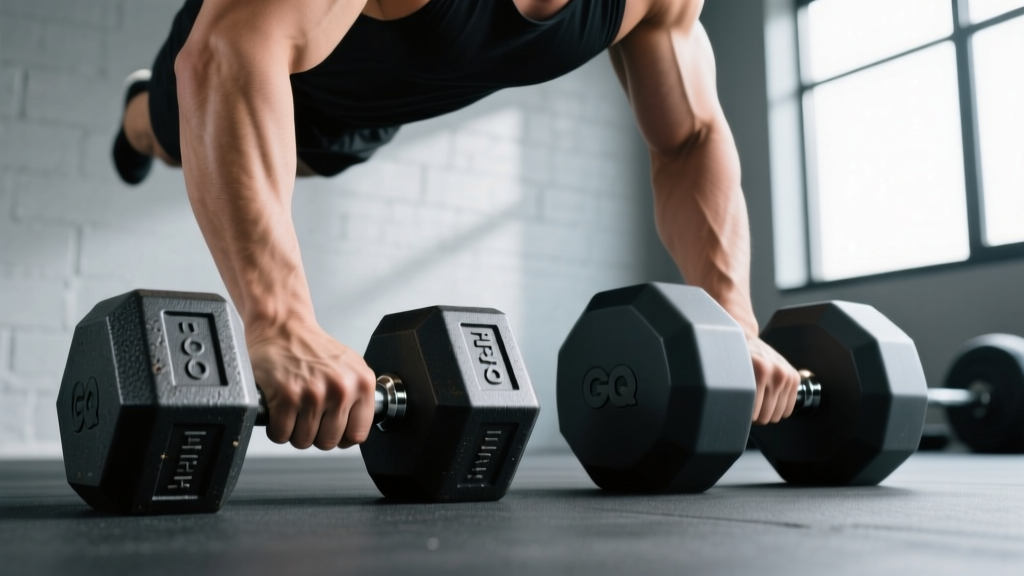
Cast Iron vs Competition Kettlebell Care: Upgrading Your Dumbbell Back Workout at Home
Master cast iron vs competition kettlebell maintenance and learn how to swap your dumbbell back workout at home with kettlebells for superior longevity.

For years, the staple of garage gym posterior chain training has been the traditional dumbbell back workout at home. While hex dumbbells are fantastic for isolated single-arm rows, kettlebells introduce an offset center of mass that demands greater grip strength, core stabilization, and lat engagement. However, as you transition from dumbbells to kettlebells, you immediately face a critical buying decision: cast iron versus competition bells. More importantly, once you make that purchase, the longevity of your equipment hinges entirely on your maintenance protocols. A poorly maintained kettlebell will tear calluses, rust in humid environments, and ultimately ruin your training sessions.
In this 2026 guide, we break down the exact metallurgical differences between cast iron and competition kettlebells, provide step-by-step maintenance routines to maximize their lifespan, and show you how to seamlessly integrate them into your home back training regimen.
The Anatomy of Your Iron: Cast Iron vs. Competition Kettlebells
Before applying oil or sandpaper, you must understand what you are maintaining. The manufacturing processes for these two styles of kettlebells dictate their failure modes and care requirements.
| Feature | Cast Iron Kettlebells (e.g., Rogue Cast Iron) | Competition Kettlebells (e.g., Rogue Competition) |
|---|---|---|
| Material | Single-piece cast gray iron | Hollow-core welded steel |
| Dimensions | Scales with weight (larger bell = heavier) | Uniform (280mm x 210mm x 35mm handle for all weights) |
| Finish | E-coat, powder coat, or raw enamel | Color-coded painted steel (e.g., Yellow for 16kg) |
| Primary Vulnerability | Surface oxidation (rust) in the pores | Paint chipping on the handle from friction |
| 2026 Avg. Cost (16kg) | $55 - $75 | $115 - $135 |
Longevity Protocols: Maintenance Care for Cast Iron Bells
Cast iron is highly porous. Even with a factory powder coat, the handle and the base are often left partially raw or thinly coated to preserve grip texture. When exposed to the sweat and ambient humidity of a home gym, oxidation and rust formation can begin within 48 hours.
The 3-Step Cast Iron Rescue Routine
If your cast iron bells are showing signs of orange oxidation or feel chalky and dry, follow this exact restoration process:
- Debridement: Use a brass wire brush (never steel, which can embed particles and cause worse rust) to aggressively scrub the rusted areas. For stubborn pitting, a 120-grit sanding sponge will level the surface.
- Neutralization: Wipe the entire bell down with a microfiber cloth dampened with white vinegar to neutralize alkaline sweat residues, followed immediately by a dry towel.
- Sealing: Apply a light coat of WD-40 Specialist Corrosion Inhibitor or food-grade mineral oil. Avoid standard WD-40, as it is a solvent that strips moisture but leaves no long-term protective barrier.
Gym chalk (magnesium carbonate) is highly hygroscopic—it pulls moisture from the air. If you use chalk during your workouts and fail to wipe down the porous handle of a cast iron kettlebell, the trapped moisture will guarantee rust within a week. Always use a stiff nylon brush to remove chalk post-workout.
Preserving the Paint: Competition Kettlebell Upkeep
Competition kettlebells, standardized by organizations like the StrongFirst certification body, feature a uniform 35mm handle diameter regardless of the weight. This consistency is incredible for muscle memory, but the painted steel handles are notorious for chipping away during high-rep ballistic movements like snatches and cleans.
Sanding and Clear-Coating the Handle
When the paint on your competition bell's handle begins to flake, it creates a jagged edge that will tear your calluses. To fix this and permanently seal the handle:
- Masking: Use painter's tape to mask off the bell's body, leaving only the handle exposed. You want to preserve the color-coding on the main body.
- Wet Sanding: Use 400-grit wet/dry sandpaper with a light mist of water. Sand the handle until all chipping paint is removed and the raw steel is smooth to the touch.
- Sealing: Apply two light coats of Rust-Oleum Matte Clear Enamel. The matte finish ensures the handle remains tacky enough for grip, while the enamel prevents sweat from reaching the bare steel.
Elevating Your Dumbbell Back Workout at Home with Kettlebells
Why go through the trouble of maintaining kettlebells when you already have a functional dumbbell back workout at home? The answer lies in biomechanics and grip mechanics. According to biomechanical analyses referenced by the American Council on Exercise (ACE), the offset load of a kettlebell forces the wrist into slight extension and demands greater activation of the brachioradialis and latissimus dorsi to stabilize the weight.
Kettlebell Back Swaps for the Home Gym
Here is how to translate your standard dumbbell back routine into a kettlebell-focused posterior chain assault, assuming your bells are properly maintained and free of rust or paint burrs:
| Dumbbell Exercise | Kettlebell Alternative | Maintenance/Grip Note |
|---|---|---|
| Single-Arm Dumbbell Row | Gorilla Rows (Alternating KB rows from a hinge position) | Requires a smooth handle; rust will tear palms during the alternating grip switch. |
| Dumbbell Pullover | Kettlebell Pullover (Holding the horns) | Horn grip demands clean, chalk-free crevices to prevent slipping. |
| Dumbbell Deadlift | Double KB Sumo Deadlift High-Pull | High velocity at the top of the pull requires a sealed, non-tacky handle finish. |
Environmental Factors & Storage Solutions
Even the most rigorous cleaning routine will fail if your storage environment is hostile to raw or coated iron. As of 2026, with more athletes converting uninsulated garages and basements into home gyms, environmental control is paramount.
The 50% Humidity Rule
Iron oxidation accelerates exponentially when relative humidity (RH) exceeds 60%. Invest in a digital hygrometer ($12-$15) for your gym space. If your garage gym consistently reads above 55% RH, you must either run a dehumidifier or store your kettlebells indoors.
Rack Selection for Airflow
Never store kettlebells directly on a concrete floor, especially in ground-level garages where moisture wicks upward through the slab. Use a dedicated tiered rack, such as the Rogue Fitness Kettlebell Rack, which elevates the bells and allows 360-degree airflow, preventing condensation buildup on the underside of the base.
Frequently Asked Questions
Can I use a wire wheel on an angle grinder to clean my cast iron kettlebell?
No. An angle grinder with a wire wheel will remove the rust, but it will also strip away the factory e-coat or powder coat, leaving raw, highly vulnerable iron exposed. Stick to hand-scrubbing with a brass brush and 120-grit sandpaper to preserve as much of the original protective finish as possible.
Do competition kettlebells require chalk?
While chalk is heavily used in competition to manage sweat during high-rep snatches, it is not strictly necessary for home hypertrophy or back workouts. In fact, avoiding chalk and relying on a properly sanded and clear-coated handle will significantly reduce the cleanup and maintenance burden in a home gym environment.
How often should I oil my cast iron kettlebells?
If you train in a climate-controlled room (40-50% humidity), a light mineral oil application once every 3 to 4 months is sufficient. If you train in a humid garage or outdoor space during summer months, wipe them down with a corrosion inhibitor every two weeks.
More gear to consider
All reviews
2026 Adjustable Dumbbell Guide for a Dumbbell and Bench Workout Plan

Bumper Plate vs Iron Plate Maintenance & Dumbbell Connector Care
Bala Dumbbells vs Rubber Hex & Urethane: 2026 Market Trends

Bumper vs Iron Plate Longevity & Posture Exercises with Dumbbells

Beyond Dumbbell Kick Backs: Power Rack vs Squat Rack vs Squat Stand