Cast Iron vs Competition Kettlebells: Dumbbell Back Arm Workout Care
Compare cast iron vs competition kettlebells for dumbbell back arm workout alternatives. Master maintenance, rust prevention, and longevity tips today.

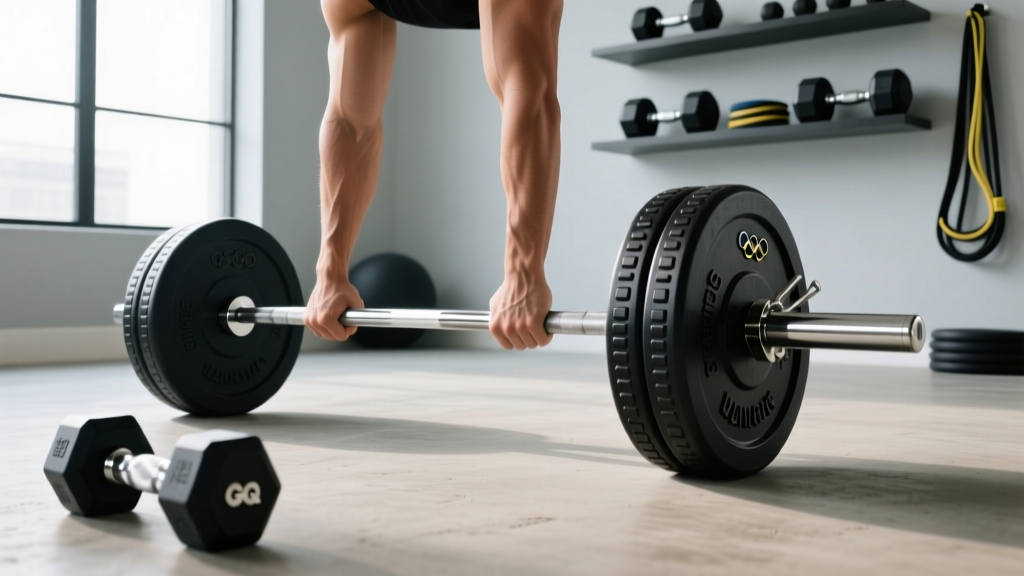
When lifters transition from a traditional dumbbell back arm workout to kettlebell variations, the shift in implement geometry changes not only the biomechanical stimulus but also the equipment maintenance required. Kettlebell substitutions for classic arm and back movements—such as the single-arm gorilla row, renegade row, or overhead tricep extension—demand a pristine handle to maintain time-under-tension without tearing calluses. However, choosing between cast iron and competition kettlebells introduces two entirely different maintenance paradigms. As of 2026, the market offers highly specialized finishes for both, but neglecting their unique care requirements will rapidly degrade your investment and compromise your grip security.
Pro Tip: If your dumbbell back arm workout relies heavily on high-rep tricep skull crushers or heavy pullovers, handle texture is your first point of failure. A degraded handle forces you to over-grip, prematurely fatiguing your forearms before your target back or arm muscles reach mechanical failure.The Cast Iron Workhorse: Handle Smoothing and Rust Prevention
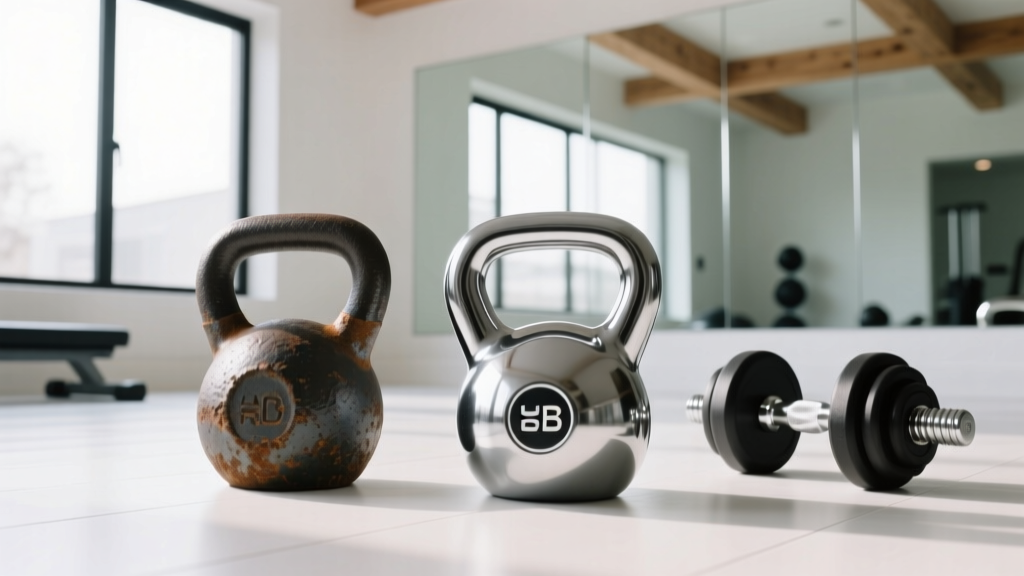
Cast iron kettlebells are the rugged workhorses of the home gym. Priced competitively at an average of $1.50 to $2.50 per pound in 2026, they are accessible and durable. However, their manufacturing process—sand casting—leaves behind parting lines (seams) that can act like cheese graters on your palms during high-volume arm isolation work.
Smoothing the Parting Lines
Before integrating a new cast iron bell into your arm day rotation, inspect the handle seams. To smooth them:
- Secure the bell in a padded vise or on a non-slip mat.
- Use a Nicholson bastard file to aggressively flatten the raised seam along the inner and outer handle curves.
- Progress to 120-grit sandpaper to blend the filed area into the surrounding iron.
- Finish with 220-grit sandpaper for a smooth, callus-friendly polish.
According to equipment insights from Rogue Fitness's cast iron lineup, modern bells often feature e-coating (electrophoretic deposition) rather than powder coating. E-coat is exceptionally thin (0.5 to 1.0 mils), preserving the raw iron texture for superior grip. Powder coat, conversely, is thicker (2.0 to 3.0 mils) and can feel like slick plastic when your hands get sweaty during intense back-and-arm supersets.
Rust Eradication and Clear-Coat Reapplication
Cast iron is highly susceptible to oxidation, especially in humid garage gyms. If rust spots appear on the handle, do not ignore them. Rust creates micro-abrasions that will tear your skin during heavy rows. Scrub the affected area with a brass wire brush and white vinegar. Once the rust is neutralized, wipe the bell down with a microfiber cloth and apply a thin layer of boiled linseed oil or a specialized carnauba-based barbell wax. This creates a hydrophobic barrier that repels sweat and ambient moisture.
Competition Kettlebells: Precision Shells and Internal Ballast
Competition kettlebells are engineered to exact International Union of Kettlebell Lifting (IUKL) standards: 28cm in height, 21cm in width, and a uniform 33mm handle diameter. This standardized 33mm grip is exceptional for wrist alignment during single-arm overhead tricep extensions, as detailed in the ExRx exercise directory regarding grip ergonomics. However, their hollow steel construction and vinyl-painted shells require a delicate touch.
Vinyl Shell Scratch and Crack Repair
Unlike solid cast iron, competition bells feature a hollow steel shell filled with steel ballast (shot or bearings) to achieve the target weight while maintaining uniform dimensions. The exterior is typically coated in color-coded vinyl or automotive-grade paint. If you drop a competition bell on a concrete floor during a fatiguing set of renegade rows, the paint can chip, exposing the bare steel shell to moisture.
- Minor Scratches: Buff out with a melamine sponge and apply a matching automotive touch-up enamel.
- Deep Cracks: If the shell cracks, moisture will enter the hollow cavity and rust the internal ballast. Seal the crack immediately using a cyanoacrylate (superglue) and baking soda mixture, which creates a rock-hard, waterproof seal in seconds. Sand it flush once cured.
Internal Weight Shift Diagnostics
The most critical failure mode for competition bells is internal ballast shift. If dropped repeatedly, the internal welds securing the steel shot can fracture. You will notice a 'rattle' or a shift in the center of mass. An off-center bell is highly dangerous during unilateral arm workouts, as it places asymmetric torque on the wrist and elbow joints. If your bell rattles, it must be retired from dynamic movements and relegated to static holds like goblet squats.
Maintenance Matrix: Cast Iron vs. Competition
To help you decide which bell type aligns with your maintenance tolerance and training style, review the comparison matrix below:
| Feature | Cast Iron Kettlebells | Competition Kettlebells |
|---|---|---|
| Avg. Cost (2026) | $1.50 - $2.50 / lb | $3.50 - $5.00 / lb |
| Handle Diameter | Variable (32mm - 38mm) | Standardized (33mm) |
| Primary Maintenance | Rust prevention, seam filing | Paint touch-ups, drop prevention |
| Durability to Drops | Extremely High (Solid Iron) | Low (Hollow shell, internal welds) |
| Best For Arm Workouts | Heavy rows, outdoor training | Overhead extensions, high-rep snatches |
Environmental Factors and Storage Longevity
Regardless of whether you prefer the rugged feel of cast iron or the precision of competition bells, environmental control is the ultimate determinant of longevity. As highlighted in Onnit's comprehensive kettlebell guide, proper storage prevents premature degradation of both the metal and the floor.
'Never store your kettlebells directly on bare concrete or in damp corners. Concrete wicks moisture from the ground, accelerating oxidation on the base of cast iron bells and promoting mold growth under the flat bases of competition bells.'
Optimal Storage Solutions
Invest in a dedicated weight storage rack with rubber-lined shelves. If floor storage is your only option, place a heavy-duty horse stall mat (typically 3/4-inch thick vulcanized rubber) beneath your bells. This not only protects your flooring from the offset center of mass during heavy dumbbell back arm workout substitutions but also creates a moisture barrier between the bell and the concrete slab.
For high-humidity environments (above 60% relative humidity), keep a few large silica gel desiccant packets in your weight storage bins or near your rack. Wipe down your bells with a dry microfiber towel immediately after every workout to remove the corrosive salts and urea present in human sweat. By treating your kettlebells with the same respect you give your precision-machined dumbbells, you ensure they will survive decades of grueling back and arm cycles without compromising your grip or your joints.
More gear to consider
All reviews
Power Rack vs Squat Stand for Your Women's Dumbbell Workout Plan
Best Neoprene Dumbbells for the Incline Dumbbell Raise (2026)

2026 Olympic Barbell Knurling Guide vs Dumbbell Overhead Raises

EZ Curl Bar vs Straight Bar & Romanian Deadlift With Single Dumbbell
Power Rack vs Squat Rack vs Stand: Cable or Dumbbell Rear Delt Fly