
Jump Rope Types: Speed, Weighted, Beaded & Louis Vuitton Yoga Mat
Master jump rope types—speed, weighted, and beaded—in our beginner guide, plus explore luxury recovery with the iconic Louis Vuitton yoga mat.

The Intersection of Grit and Glamour: Your 2026 Home Gym Guide
When building a functional home gym, most beginners focus entirely on the grind, neglecting the recovery and the environment they train in. Jumping rope remains one of the most efficient, high-yield cardiovascular exercises available. According to the American Heart Association, vigorous aerobic activities like jumping rope significantly improve cardiovascular health and metabolic conditioning in a fraction of the time required for jogging.
However, mastering the jump rope requires selecting the right tool for your specific goals. Furthermore, pairing your high-intensity interval training (HIIT) with a premium recovery space elevates your entire fitness ritual. In this step-by-step beginner's guide, we will decode the three primary jump rope types—speed, weighted, and beaded—and explore how anchoring your cool-down routine with a luxury accessory, like the iconic Louis Vuitton yoga mat, can transform your home gym from a basic sweat box into a holistic wellness sanctuary.
Step 1: Decode the Jump Rope Types
Walking into a fitness store or browsing online in 2026 yields hundreds of rope options. To avoid frustration and shin splints, you must match the rope's physics to your current skill level. Here is the breakdown of the big three.
1. Beaded Ropes: The Beginner's Best Friend
Beaded ropes are constructed from a lightweight nylon cord threaded with 5mm to 7mm polyurethane or PVC cylindrical beads. Why it works: The beads add a slight amount of weight and create a tactile 'click' sound when they hit the floor. This auditory and physical feedback is crucial for beginners learning the timing of the bounce. Furthermore, beaded ropes do not tangle easily and maintain their shape in windy outdoor conditions.
2. Speed Ropes: For the Advanced Metcon Athlete
Speed ropes feature a thin cord—usually a 2mm to 3mm steel wire coated in PVC—attached to the handles via 90-degree ball bearings. Why it works: The ball bearings allow the rope to spin with minimal friction, enabling rapid rotation for advanced movements like double-unders and crossovers. However, the ultra-thin cord offers zero tactile feedback, making it highly unforgiving for beginners who mistime their jumps.
3. Weighted Ropes: The Strength-Cardio Hybrid
Weighted ropes range from a subtle 1/4 lb (4 oz) up to a brutal 2 lbs or more, with the weight distributed either in the handles or throughout the thick PVC cord itself. Why it works: The added resistance forces your shoulders, forearms, and core to engage heavily, turning a simple cardio session into an upper-body endurance workout. A 1/4 lb rope is excellent for intermediate users, while 1 lb+ ropes are best for short, intense power intervals.
Quick Comparison Matrix: 2026 Top Models
| Rope Type | Cord Material | Weight | 2026 Top Model | Price Range |
|---|---|---|---|---|
| Beaded | 5mm Polyurethane | ~5 oz | Buddy Lee Aero Speed | $15 - $25 |
| Speed | 2mm Steel Wire | ~3 oz | Elite Sums Pro | $20 - $45 |
| Weighted | Dense PVC / Steel Core | 1/4 lb - 2 lbs | CrossRope Get Strong (1 lb) | $80 - $140 |
Step 2: Sizing Your Rope for Perfect Mechanics
Using an improperly sized rope is the number one cause of tripping and calf strains. According to sizing guidelines from CrossRope's training academy, your height and experience level dictate your ideal cable length.
- The Measurement Test: Stand on the center of the rope with one foot. Pull the handles straight up along your body.
- Beginner Sizing: The base of the handles (where the cord meets the handle) should reach your armpits. This provides a wider arc, giving you more room for error as you learn the basic bounce.
- Advanced Sizing: As your form tightens and your elbows pull closer to your ribs, you can size down so the handles reach your nipple line or sternum. This faster, tighter arc is required for speed and double-unders.
Step 3: The 4-Week Beginner Progression Plan
Do not attempt 500 jumps on day one. Your tendons and central nervous system need time to adapt to the plyometric impact. Follow this step-by-step progression using a beaded rope.
Week 1: The Basic Bounce & Timing
- Protocol: 10 sets of 20 seconds jumping, followed by 40 seconds of rest.
- Form Cue: Keep elbows pinned to your ribs. The rotation comes from your wrists, not your shoulders. Jump only 1 to 2 inches off the ground—just enough to clear the 5mm beads.
Week 2: The Alternate Foot Step
- Protocol: 8 sets of 30 seconds work, 30 seconds rest.
- Form Cue: Mimic a light jogging motion, shifting your weight from one foot to the other. This reduces the bilateral impact on your calves and prepares you for longer endurance sets.
Week 3: The Boxer Skip
- Protocol: 5 sets of 1 minute work, 1 minute rest.
- Form Cue: Shift your weight side-to-side, tapping your non-weight-bearing foot lightly on the ground in front of you. This is the most energy-efficient way to jump rope for extended cardio sessions.
Week 4: Introducing the Weighted Rope
- Protocol: Swap your beaded rope for a 1/4 lb weighted rope. Perform 5 rounds of 1 minute jumping, focusing on shoulder endurance and core bracing.
Step 4: Luxury Recovery & The Louis Vuitton Yoga Mat
High-impact plyometrics like jump roping demand meticulous post-workout recovery, specifically focusing on the plantar fascia, calves, and lower back. While a standard $20 PVC mat will technically suffice for stretching, the modern home gym is increasingly embracing luxury wellness aesthetics to promote consistency and mindfulness. This is where the Louis Vuitton yoga mat enters the conversation.
"Fitness is no longer just about the physical output; it is about curating an environment that rewards your discipline. Luxury fitness accessories bridge the gap between athletic performance and high-end lifestyle design."
Why Invest in High-End Recovery Gear?
In 2026, the luxury fitness market has exploded, and the Louis Vuitton yoga mat remains a benchmark for high-society home gyms. Retailing between $1,450 and $1,800 depending on the specific collection (such as the iconic Monogram canvas or the textured Epi leather variants), this mat is far more than a status symbol.
- Material Density: Unlike cheap, single-layer foam mats that bottom out during deep pigeon poses or calf stretches, the LV mat features a high-density, multi-layer foam core that provides exceptional joint cushioning after a heavy weighted-rope session.
- Hardware & Craftsmanship: The mat is finished with signature brass D-rings and a premium calfskin leather carrying strap. The tactile experience of unrolling a meticulously crafted surface signals to your parasympathetic nervous system that it is time to shift from 'fight or flight' (cardio) into 'rest and digest' (recovery).
- Hygiene & Durability: The coated canvas and treated leather surfaces are highly resistant to sweat absorption and can be easily wiped down with a specialized leather cleaner, ensuring the mat does not degrade or harbor bacteria like porous open-cell rubber mats.
Frequently Asked Questions
Will jumping rope on concrete ruin my joints or my rope?
Jumping on raw concrete will rapidly degrade the PVC beads of a beaded rope and increase the risk of shin splints. Always jump on a rubber gym mat, a wooden floor, or a dedicated jump rope mat (a 4mm high-density PVC mat placed under your jumping zone). Save your premium Louis Vuitton yoga mat strictly for the post-workout stretching and foam rolling phases to preserve its pristine condition.
How often should a beginner jump rope?
Limit your sessions to 2 to 3 times per week for the first month. Your cardiovascular system will adapt much faster than your Achilles tendons and calf muscles. Alternate jump rope days with low-impact mobility work on your luxury mat to ensure sustainable progress.
Can I use a speed rope to learn double-unders?
It is highly discouraged. Beginners should learn the timing of the double-under using a beaded rope or a light 1/4 lb weighted rope. The tactile feedback of the beads hitting the floor teaches your brain the exact millisecond to initiate the second wrist flick. Once you can string together 10 unbroken double-unders with a beaded rope, you can transition to a 2mm steel speed rope for metabolic conditioning.
More gear to consider
All reviews
Pull-Up Assist Band Sizing & Packing Your Gaiam Yoga Mat Bag
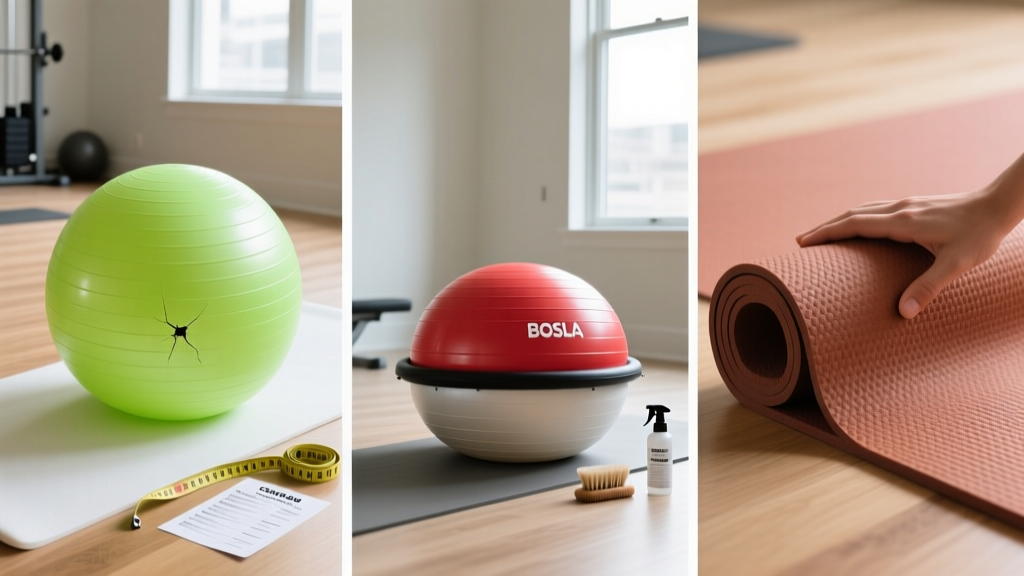
Stability Ball vs BOSU Ball Care & Bala Yoga Mat Review

Expert Exercise Ball Size Guide & Best Way to Clean Yoga Mat Gear

Yoga Mat Wirecutter Favorites vs. Rivals: 2026 Grip & Material Test

ProSourceFit Extra Thick Yoga and Pilates Mat: Ball Size Guide
