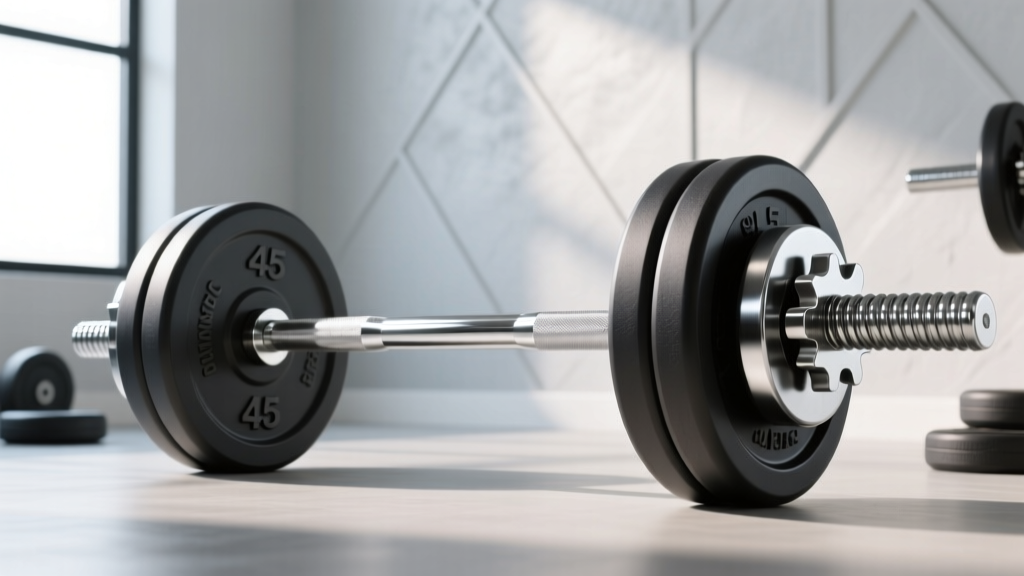
Beyond a Good Dumbbell Bench Press Weight: Bumper vs Iron Plate Care
Learn how to maintain cast iron and bumper plates once you outgrow a good dumbbell bench press weight. Expert care tips, rust prevention, and longevity.

The Transition: Moving Past a Good Dumbbell Bench Press Weight
Progressing in the home gym is a pivotal moment for any lifter. Once you have surpassed what most consider a good dumbbell bench press weight—typically hovering around the 90 to 120-pound mark per hand for advanced lifters—the biomechanical and logistical realities of your training shift. Stabilizing massive dumbbells burns excessive central nervous system (CNS) energy before the pectorals are fully stimulated. Consequently, lifters naturally transition to the barbell bench press to overload the prime movers safely.
This transition forces a critical equipment purchase: Olympic weight plates. But the choice between traditional cast iron and modern bumper plates extends far beyond aesthetics or price per pound. It fundamentally dictates your gym's maintenance routine, flooring requirements, and equipment lifespan. As of 2026, manufacturing standards for both plate types have evolved, yet their core material vulnerabilities remain. Understanding how to care for these plates ensures your investment survives decades of heavy pressing, dropping, and environmental exposure.
Cast Iron Plates: Longevity, Rust, and Real-World Care
Cast iron plates, such as the classic Rogue Fitness machined Olympic plates, are the gold standard for bench pressing. Their thinner profile allows for maximum sleeve loading, and their rigid construction provides zero "dead bounce" when racking heavy reps. However, iron's greatest enemy is ambient moisture.
The Oxidation Problem and the Wire Brush Fix
Even enameled or powder-coated iron plates will eventually chip, exposing the raw metal to oxygen and humidity. In a garage gym without climate control, surface rust can bloom within 72 hours of a coating scratch.
- Surface Rust Removal: Use a brass wire brush attachment on a standard power drill. Brass is softer than cast iron, meaning it will strip the iron oxide (rust) without gouging the healthy metal beneath.
- Deep Pitting Treatment: For severe oxidation, submerge the plates in a solution of 50% white vinegar and 50% water for exactly 24 hours. Neutralize immediately with a baking soda bath to halt the acidic etching process.
- The Protective Barrier: Never use standard WD-40, which is a solvent and will strip existing protection. Instead, apply a micro-thin layer of 3-in-One oil or a specialized mineral oil using a microfiber cloth. Wipe off all excess to prevent a sticky residue that attracts gym chalk and dust.
Enamel vs. Machined Iron: A Maintenance Divergence
Cheap enamel-coated plates (often found in big-box sporting goods stores) are prone to micro-fractures in the paint. Once moisture breaches the enamel, it rusts from the inside out, causing the coating to bubble and flake. Machined iron, which features a bare metal face with a protective clear coat or black oxide finish, requires less invasive upkeep. A simple monthly wipe-down with a silicone-based protectant spray is sufficient to maintain the machined faces and prevent chalk buildup in the weight engravings.
Bumper Plates: Rubber Degradation and Insert Failures
Bumper plates are mandatory for Olympic weightlifting and CrossFit-style workouts where the barbell is dropped from overhead. While you generally won't drop a barbell from a bench press, many lifters buy bumpers for their home gyms to protect their concrete floors and reduce noise. However, rubber requires an entirely different maintenance paradigm than iron.
Virgin Rubber vs. Crumb Rubber Lifespans
Virgin rubber bumpers (like the Eleiko XF or Rogue Color Bumpers) are manufactured from a single, dense pour of synthetic rubber, typically measuring between 85 and 90 on the Shore A durometer scale. Crumb rubber plates are made from recycled, compressed tire rubber bound with polyurethane adhesives.
⚠️ UV and Ozone Warning: Crumb rubber is highly porous. If stored in a garage exposed to direct sunlight or high ozone levels, the polyurethane binder breaks down, causing the plate to "weep" a black, oily residue and eventually delaminate. Virgin rubber is far more UV-resistant but will still dry-rot if exposed to extreme temperature fluctuations.The "Spinning Hub" Failure Mode
The most common mechanical failure in bumper plates is not the rubber tearing, but the center steel or brass insert spinning freely within the rubber matrix. This occurs when the bonding agent between the metal hub and the rubber degrades.
The Fix: If an insert begins to spin, do not use superglue. The torsional force of a spinning barbell sleeve will break the glue bond instantly. Instead, drill two small pilot holes through the rubber into the metal hub from the side of the plate and drive in 1-inch sheet metal screws to mechanically lock the hub to the rubber. This is a standard gym-owner hack that extends a failing plate's life by years.
Cleaning Protocols: What to Use and What to Avoid
Maintaining the hygiene and material integrity of your plates requires specific chemical awareness. Using the wrong household cleaners will accelerate the degradation of both iron and rubber.
"The goal of cleaning gym equipment is to remove sebum, sweat salts, and magnesium carbonate (chalk) without stripping the protective oxidized layers or rubber conditioners." — Industrial Equipment Maintenance Standards
Safe Cleaning Matrix
| Material | Approved Cleaners | Chemicals to Avoid | Frequency |
|---|---|---|---|
| Cast Iron (Enameled) | Mild dish soap, warm water, microfiber | Bleach, ammonia, abrasive scouring pads | Weekly |
| Cast Iron (Machined) | 3-in-One oil, silicone spray, brass brush | Water-based cleaners, vinegar (unless descaling) | Monthly |
| Virgin Rubber | Simple Green diluted 10:1 with water | Tire shine, petroleum distillates, bleach | Bi-Weekly |
| Crumb Rubber | Damp cloth, mild soap | Any solvent, power washers, stiff bristle brushes | As needed |
According to Eleiko's official product care guidelines, harsh chemicals like bleach or undiluted degreasers will strip the natural moisture from bumper plates, causing micro-fissures that lead to catastrophic splitting upon impact. Always use a heavily diluted, pH-neutral cleaner.
Storage and Environmental Controls
How you store your plates when you aren't pressing them dictates their 10-year lifespan.
- Vertical vs. Horizontal Storage: Bumper plates should ideally be stored horizontally on a plate tree or flat on the floor. Storing bumpers vertically on their edges for months at a time can cause "flat-spotting" or warping, especially in warmer environments where the rubber softens. Iron plates do not suffer from this and can be stored vertically on A-frame racks.
- Climate Control: If your home gym is in an uninsulated garage, invest in a commercial-grade dehumidifier. Keeping ambient humidity below 45% will virtually eliminate flash-rusting on iron plates and prevent the metal inserts inside bumper plates from corroding and expanding (which cracks the rubber from the inside).
FAQ: Plate Longevity Edge Cases
Q: Can I use my bumper plates for heavy barbell bench pressing?
A: Yes, but be aware of the "dead bounce." Bumper plates absorb kinetic energy. If you fail a rep and the barbell bounces off your chest or the J-cups, the dampening effect of the rubber can make the bar feel slightly more erratic to control compared to the rigid, predictable feedback of machined iron.
Q: Why do my 10lb and 15lb bumper plates keep cracking?
A: Thin bumper plates (10lb/5kg and 15lb/10kg) have very little rubber mass to absorb impact. Dropping a barbell loaded only with thin bumpers concentrates all the shear force on the narrow rubber edge, causing them to snap. Always pair thin bumpers with a 45lb/20kg plate on the outside of the sleeve to absorb the primary impact shock.
More gear to consider
All reviews
Cast Iron vs Competition Kettlebells & Dumbbell Bent Rows Value

Beyond a Biceps Workout Without Dumbbells: Best Racks 2026

Rubber Hex vs Urethane: Best for Alternating Incline Dumbbell Curls?
Standard vs Olympic Plates for Good Tricep Exercises with Dumbbells

McGregor Dumbbell Troubleshooting: Fixing Collar Slip & Grip Errors