
Does Incline Treadmill Burn Fat? Noise Comparison
Discover if an incline treadmill burns fat and compare decibel levels of top cardio machines to build a quiet, effective home gym for weight loss.

The Ultimate Apartment Dilemma: Fat Loss vs. Noise Complaints
If you live in an apartment, share a home with light sleepers, or prefer working out at 5:00 AM, you have likely faced the home gym dilemma: how do you get an effective fat-burning workout without driving your household or neighbors crazy? Viral fitness trends have popularized steep incline walking, leaving many beginners to ask: does incline treadmill burn fat effectively, and more importantly, is it quiet enough for shared living spaces?
The short answer is yes to both—but with critical caveats regarding machine selection and biomechanics. In this step-by-step guide, we will break down the science of incline fat oxidation, compare the acoustic footprints of the most popular cardio machines on the market, and show you exactly how to build a whisper-quiet, high-yield fat-loss routine in 2026.
The Science: Does Incline Treadmill Burn Fat?
To understand why incline walking is a staple for fat loss, we need to look at Low-Intensity Steady State (LISS) cardio and heart rate zones. According to the American Heart Association, maintaining your heart rate in "Zone 2" (roughly 60-70% of your maximum heart rate) optimizes the body's ability to use stored fat as its primary fuel source rather than glycogen.
When you walk on a flat treadmill at 3.0 mph, your heart rate might only reach Zone 1. However, when you elevate the deck to a 12% to 15% incline, the metabolic demand skyrockets. You are essentially climbing a steep hill. This forces your posterior chain (glutes, hamstrings, and calves) to work against gravity, pushing your heart rate squarely into the fat-burning Zone 2 without requiring you to break into a jog.
Expert Insight: Walking at a 12% incline burns approximately 60% to 70% more calories per mile than walking on a flat surface at the exact same speed. Because you are not running, you eliminate the "flight phase" of your stride, drastically reducing joint impact and structural noise.
Step-by-Step: The Quiet "12-3-30" Fat Burn Protocol
Here is how to execute a highly effective, low-noise incline routine. This protocol is designed to maximize caloric expenditure while minimizing acoustic vibration.
- Step 1: The Warm-Up (5 Minutes)
Set the incline to 2% and the speed to 2.5 mph. Focus on heel-to-toe foot placement to minimize the "slap" of your foot against the belt. - Step 2: The Ascent (20 Minutes)
Increase the incline to 12% (or your machine's maximum if it is lower) and the speed to 3.0 mph. Do not hold onto the handrails; leaning on the rails reduces caloric burn by up to 25% and alters your natural acoustic footprint by shifting your weight unnaturally. - Step 3: The Peak (5 Minutes)
If your machine supports it, bump the incline to 15% and drop the speed to 2.5 mph. This engages the gluteus maximus heavily while keeping footfall impact virtually silent. - Step 4: The Cool Down (5 Minutes)
Return to a 0% incline and 2.0 mph to allow your heart rate to gradually return to baseline.
Cardio Machine Noise Level Comparison Matrix
Not all cardio machines are created equal when it comes to acoustic output. Noise is measured in decibels (dB), and the type of noise (continuous motor hum vs. rhythmic impact) matters just as much as the volume. Below is a comparison of top-tier 2026 models across different categories.
| Machine Category | Reference Model (2026) | Avg. Noise Output | Impact Vibration | Est. Price Range |
|---|---|---|---|---|
| Incline Treadmill | NordicTrack Commercial 1750 | 65 - 72 dB | Moderate (Walking) / High (Running) | $1,899 - $2,199 |
| Front-Drive Elliptical | Sole Fitness E95 | 48 - 54 dB | Zero (Fluid motion) | $1,299 - $1,499 |
| Magnetic Spin Bike | Schwinn IC4 / Bowflex C6 | 42 - 48 dB | Zero (Seated) | $899 - $1,099 |
| Air Resistance Rower | Concept2 RowErg | 55 - 65 dB | Low (Seat rail glide) | $990 - $1,150 |
| Stair Climber | Bowflex Max Total 22 | 50 - 58 dB | Low-Moderate (Vertical stepping) | $1,999 - $2,299 |
Decoding the Decibels: Why Treadmills Sound Louder
As noted by the Cleveland Clinic, LISS cardio like incline walking is highly effective for cardiovascular health and fat oxidation. But acoustically, treadmills face a unique challenge: impact noise.
An elliptical or a magnetic resistance bike operates on a closed kinetic chain. Your feet never leave the pedals, meaning the only noise generated is the internal drivetrain (which, in modern magnetic systems, is nearly silent at roughly 45 dB). A treadmill, however, requires repetitive foot strikes. Even when walking, a 180-pound user generates roughly 1.5 times their body weight in downward force per step. This energy transfers through the belt, into the deck, down the steel frame, and directly into your floor joists.
However, incline walking is the ultimate treadmill hack for noise reduction. When you run, there is a moment where both feet are off the belt, resulting in a high-impact landing (often exceeding 80 dB). When you walk on a steep incline, your foot rolls onto the belt with a controlled, gliding motion, drastically reducing the structural vibration that travels through apartment floors.
💡 Apartment Dweller's Vibration Dampening Guide
If you are committed to the incline treadmill for fat loss but need to keep the peace, follow these structural mitigation steps:
- Invest in a High-Density Mat: Do not use cheap PVC yoga mats. Purchase a 3/8-inch thick vulcanized rubber equipment mat (cost: $60-$90). This absorbs low-frequency vibrations before they hit the subfloor.
- Check the Deck Flexibility: Treadmills with "cushioned decks" (like the Sole F80 or NordicTrack series) use elastomer pucks between the deck and frame. These don't just save your knees; they act as acoustic shock absorbers.
- Lubricate the Belt: A dry belt creates high-friction motor strain, increasing the continuous hum of the machine. Apply 100% silicone treadmill lubricant every 3 months or every 130 miles to keep the motor operating at its quietest baseline.
Choosing the Right Machine for Your Environment
If your living situation strictly prohibits any impact noise, and you need an alternative to the treadmill for your fat-burning Zone 2 sessions, consider the following pathways:
1. The Elliptical Alternative
Ellipticals mimic the biomechanics of running and steep climbing without the impact. A machine like the Sole E95 features a 20-pound flywheel and adjustable ramp angles up to 20 degrees. By cranking the resistance and ramp to maximum, you can achieve the exact same posterior-chain engagement and heart rate zones as a 12% incline treadmill walk, but at a whisper-quiet 50 dB. The drawback? Ellipticals have a larger physical footprint (often 70+ inches long) and lack the natural gait mechanics of walking.
2. The Magnetic Bike Route
For pure silence, magnetic resistance bikes are unmatched. The Schwinn IC4 uses magnetic eddy currents to create resistance, meaning there is zero physical friction and virtually no motor noise. To replicate the fat-burn of an incline walk, you must perform seated climbs. Stand up out of the saddle, increase the resistance knob to 70-80%, and pedal at 60 RPM for 30 minutes. You will easily hit Zone 2, burn comparable calories, and generate less noise than a standard refrigerator.
Frequently Asked Questions
Will my neighbors hear my treadmill if I only walk on an incline?
If you are on a floor above ground level, structural vibration is your main enemy. While the airborne noise of incline walking is low (around 65 dB), the low-frequency thud of your footfall can travel through wood framing. Using a 3/8-inch vulcanized rubber mat and placing the treadmill away from shared walls will mitigate 90% of neighbor complaints.
Does holding the handrails ruin the fat-burning effect?
Yes. According to biomechanical studies referenced by the Centers for Disease Control and Prevention (CDC), supporting your body weight with your arms reduces the metabolic cost of the exercise. If you have to hold on, the speed or incline is too high. Lower the speed to 2.5 mph and focus on pumping your arms naturally.
How many calories does a 30-minute incline walk actually burn?
For a 160-pound individual, walking at 3.0 mph on a flat surface burns roughly 120 calories in 30 minutes. Increasing the incline to 12% bumps that expenditure to approximately 210-240 calories in the same timeframe, making it highly competitive with a moderate jog, but with vastly less joint degradation and acoustic output.
Final Verdict
So, does incline treadmill burn fat? Absolutely. It is one of the most efficient, joint-friendly methods for sustaining Zone 2 cardiovascular training. When you pair the biomechanical efficiency of steep incline walking with proper acoustic dampening techniques—or pivot to zero-impact alternatives like magnetic bikes and ellipticals—you can build a highly effective fat-loss home gym that respects the peace and quiet of your household.
More gear to consider
All reviews
Cardio Machine Noise Comparison & Planet Fitness Treadmill Speed Fixes

Elliptical vs Treadmill: How Fast Do Treadmills Go in 2026?

ProForm 8 Trainer Treadmill Setup & Noise Comparison
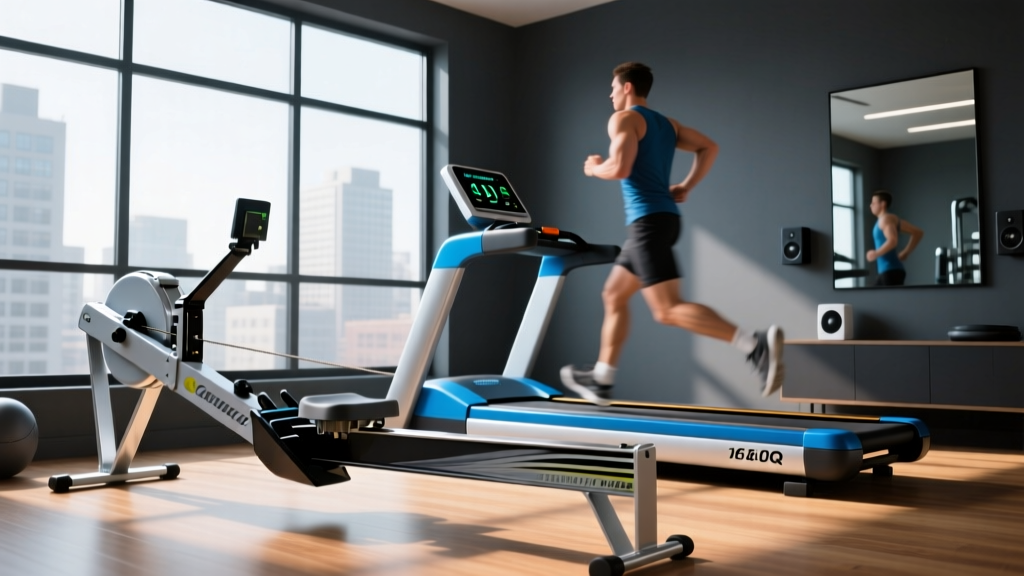
Rowing Machine Buying Guide & Technique vs Image 16.0Q Treadmill
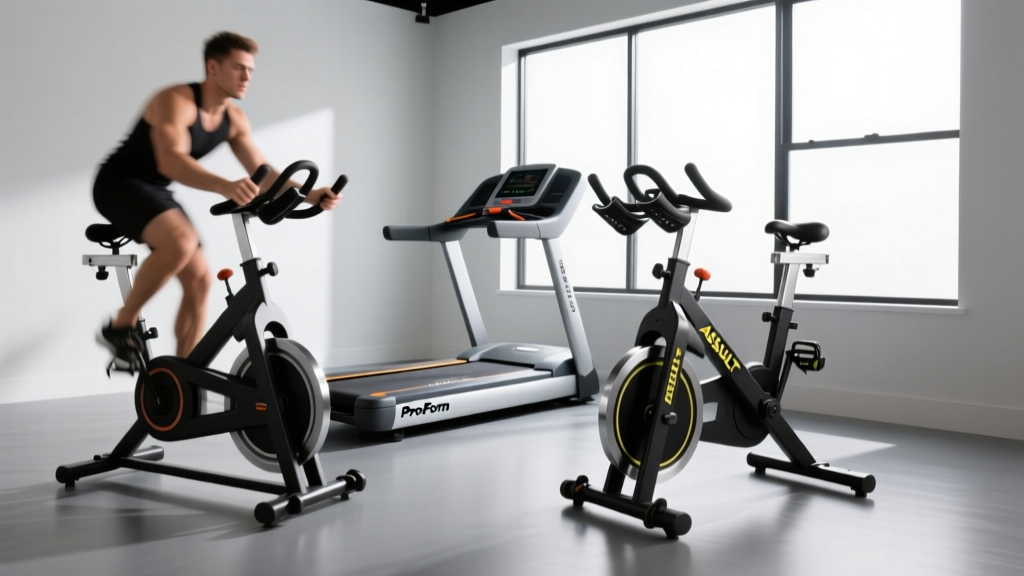
Air Bike vs Assault Bike Care: ProForm 745CS Treadmill Comparisons
