
Maintaining Home Gym Wall Decor & Strength Training Configurations
Learn how to maintain home gym wall decor and strength training configurations. Protect walls, mirrors, and mounted gear from chalk, sweat, and heavy loads.

When designing a home gym configuration for strength training, most lifters focus on the footprint of their power rack, the knurling on their barbells, and the density of their horse-stall mats. However, the vertical space in your gym endures just as much abuse. Integrating functional home gym wall decor—such as wall-mounted plate storage, acoustic damping panels, form-check mirrors, and pegboard accessories—requires a rigorous maintenance protocol. Heavy barbell drops, aggressive chalk usage, and fluctuating humidity levels can rapidly degrade both your structural investments and your aesthetic finishes.
As a domain expert in home gym setups, I have seen countless garage and basement gyms suffer from drywall tear-outs, mirror desilvering, and hardware fatigue. This guide provides a deep-dive maintenance framework to ensure your strength training configuration and wall treatments last for decades, not just years.
The Intersection of Strength Configurations and Wall Decor
In a dedicated strength training environment, "decor" is rarely just motivational canvas prints. It is highly functional. Wall-mounted plate trees (like the Rogue Wall Mount Plate Tree), wall-bolted pull-up rigs (such as the P-4W), and acoustic wood-slat panels all transfer kinetic energy and static loads directly into your wall studs. If these elements are not maintained, the dynamic forces of strength training will literally pull your home gym wall decor off the wall.
Hardware Fatigue and Load Limits
The most common failure mode for wall-mounted strength gear is hardware creep. Vibrations from dropping 300+ lbs on rubber flooring send shockwaves through the slab and up the wall framing, slowly loosening standard lag screws.
| Equipment / Decor Type | Recommended Fastener | Max Static Load (Per Stud) | Inspection Interval |
|---|---|---|---|
| Wall Plate Storage (e.g., Rogue) | 3/8" x 3" Structural Lag (Simpson Strong-Tie) | 250 lbs | Quarterly |
| Wall Pull-Up Rigs | 1/2" x 4" Lag Bolts (Through-stud preferred) | 400 lbs (Dynamic) | Monthly |
| Acoustic Wood Slat Panels | 1-5/8" Drywall Screws + Construction Adhesive | 15 lbs (Per panel) | Annually |
| Heavy Duty Pegboards | 1/4" x 2" Wood Lags into Studs | 100 lbs (Distributed) | Bi-Annually |
According to engineering guidelines from Simpson Strong-Tie, standard zinc-plated lag screws can lose up to 20% of their withdrawal capacity in high-humidity environments due to microscopic corrosion. Upgrading to structural screws with proprietary corrosion-resistant coatings (like Simpson's SDWS series) is a non-negotiable for basement or garage gyms.
Chalk Dust, Sweat, and Humidity: The Silent Decor Killers
Magnesium carbonate (lifting chalk) is highly abrasive and hygroscopic (moisture-absorbing). When you mix chalk dust with sweat and high humidity, it creates a corrosive paste that destroys gym decor and structural finishes.
⚠️ WARNING: Mirror DesilveringStandard bathroom mirrors use a silver nitrate backing that is highly susceptible to oxidation. When chalk dust settles on the bottom edge of a gym mirror and mixes with ambient humidity or floor-mopping runoff, it wicks behind the glass. This causes "desilvering"—those ugly black edges that ruin the aesthetic of your home gym wall decor. Always use safety-backed, commercial-grade gym mirrors with sealed edges, and maintain a 2-inch gap between the mirror bottom and the floor.
Managing Ambient Moisture
Strength training generates significant body heat and respiration-based moisture. A basement gym without proper HVAC will easily spike to 70% relative humidity (RH) during a heavy squat session. The EPA recommends keeping indoor RH between 30% and 50% to prevent mold growth behind acoustic panels and drywall degradation. Install a dedicated commercial dehumidifier (like the AlorAir Storm LGR) capable of pulling 180 pints per day to protect your walls and gear.
Step-by-Step Maintenance Protocol for Wall-Mounted Gear
To maintain the structural integrity of your strength training configuration and keep your functional wall decor looking pristine, implement this exact maintenance schedule.
- Monthly Torque Checks (15 Minutes): Use a calibrated torque wrench to check the lag bolts on your wall pull-up rigs and heavy plate storage. For 3/8" lag bolts in standard Douglas Fir studs, re-torque to 30-40 ft-lbs. Do not overtighten, as this will strip the wood fibers inside the stud.
- Quarterly Chalk Purge (30 Minutes): Use a shop-vac with a HEPA filter and a soft brush attachment to vacuum wall-mounted pegboards, chalk bowls, and the top edges of acoustic panels. Compressed air should never be used, as it forces chalk dust deeper into drywall pores and HVAC returns.
- Bi-Annual Mirror & Glass Treatment (20 Minutes): Clean form-check mirrors using an ammonia-free, alcohol-based glass cleaner. Ammonia degrades the protective backing over time. Inspect the J-channels or mounting clips for rust; apply a light coat of WD-40 Specialist Silicone to metal clips to prevent oxidation.
- Annual Stud & Drywall Inspection (1 Hour): Look for "nail pops" or hairline cracks radiating from the corners of your wall-mounted rigs or heavy decor. This indicates drywall fatigue from dynamic loading (e.g., kipping pull-ups or bumper plate vibrations). If found, you must install structural backing blocks behind the drywall.
Preserving Aesthetic and Functional Wall Elements
Beyond the heavy steel, strength athletes often incorporate specialized decor to optimize their training environment. Here is how to care for the most common functional wall treatments.
Acoustic Baffles and Foam Panels
If your strength configuration is in a shared living space or a garage with an apartment above, acoustic panels are mandatory. However, open-cell acoustic foam acts like a sponge for sweat aerosol and chalk.
- Cleaning: Never wash open-cell foam with liquid. Instead, use a lint roller weekly and a specialized upholstery extractor (like a Bissell SpotClean) on a low-suction setting bi-annually.
- Longevity Tip: Swap cheap foam for high-density fiberglass panels wrapped in acoustically transparent fabric (e.g., Owens Corning 703). These can be vacuumed easily and do not degrade from humidity.
Whiteboard Tracking Walls
Many lifters dedicate an entire wall to dry-erase whiteboards for progressive overload tracking. Over time, "ghosting" (permanent marker stains) ruins the decor.
Expert Hack: Do not use standard melamine whiteboards from office supply stores; they will ghost within three months of heavy gym use. Invest in a wall-mounted tempered glass whiteboard (such as the Quartet Infinity series). Glass is non-porous, impervious to chalk dust, and can be deep-cleaned with isopropyl alcohol without damaging the surface.
The Cost of Neglect vs. Preventative Maintenance
Failing to maintain your home gym wall decor and strength configurations doesn't just look bad—it becomes a severe safety hazard and a financial drain. Below is a real-world cost comparison based on 2026 contractor rates and equipment replacement costs.
| Failure Event (Due to Neglect) | Estimated Repair/Replacement Cost | Preventative Maintenance Cost |
|---|---|---|
| Drywall tear-out from overloaded plate tree | $350 - $600 (Drywall patch, mud, paint) | $25 (Upgrading to structural lags) |
| Mirror desilvering / backing rot | $800 - $1,200 (Custom gym mirror replacement) | $40 (Silicone edge sealant + dehumidifier) |
| Wall rig detachment during kipping | $1,500+ (Medical bills, stud replacement, rig) | $0 (Included in monthly 15-min torque check) |
Expert Sourcing & Longevity Frameworks
Designing a lasting strength training environment requires adhering to established facility management principles. The National Strength and Conditioning Association (NSCA) emphasizes in their facility maintenance guidelines that environmental controls (humidity, temperature, and particulate matter) are just as critical as equipment calibration. By treating your home gym wall decor and structural mounts with the same rigor as your Olympic barbells, you ensure a safe, inspiring, and permanent sanctuary for your strength training journey.
Ultimately, your home gym is an ecosystem. The walls support your gear, the gear challenges your body, and the environment dictates how long both will last. Respect the vertical space, tighten your hardware, control your humidity, and your strength training configuration will stand the test of time.
More gear to consider
All reviews
Compact Foldable Gyms vs. The Mark Wahlberg Home Gym

Your First Home Gym Total: Essential Starter Kit Buying Guide
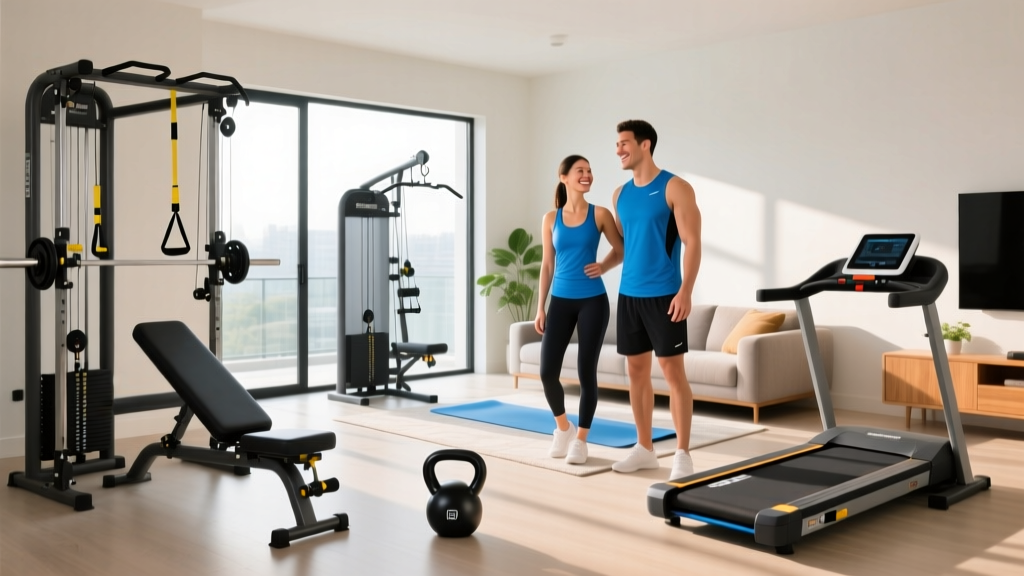
Building an Ethos Home Gym for Couples: Step-by-Step

Is There a Home Gym Tax Break? Remodel Budget Guide

2026 Electrical & Safety Requirements for a Home Gym in Garage
