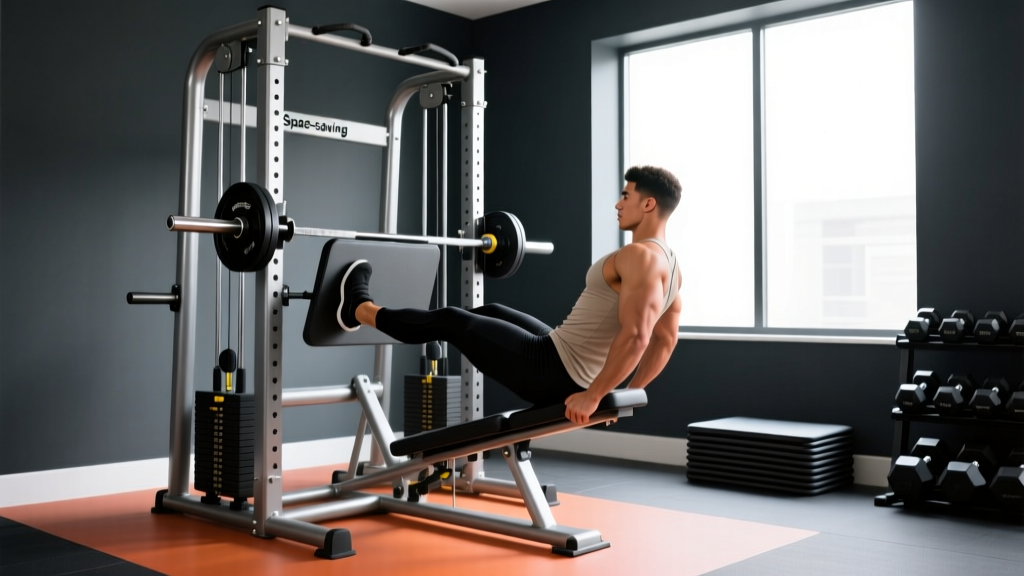
Hip Thrust Machines vs. Different Leg Press Machines: Budget Guide
Analyze the budget breakdown of hip thrust machines and pad options compared to different leg press machines for optimal gym value.

The Posterior Chain Dilemma: Allocating Your Lower Body Budget
When outfitting a commercial facility or upgrading a serious home gym in 2026, equipment buyers face a critical capital allocation dilemma. While exploring the different leg press machines on the market—ranging from 45-degree linear sleds to horizontal pneumatic presses—many lifters and gym owners realize their posterior chain is getting shortchanged. The leg press is a phenomenal quad and glute developer, but it cannot replicate the peak concentric gluteus maximus activation of a loaded hip thrust.
This creates a budgetary crossroads: Do you invest $2,000 into a mid-tier leg press, or pivot those funds toward a dedicated hip thrust machine and premium pad options? According to biomechanical research published in the Journal of Applied Biomechanics, the barbell hip thrust elicits significantly higher mean and peak EMG activity in the upper and lower gluteus maximus compared to traditional squats and leg presses. This article breaks down the exact costs, material specs, and value propositions of hip thrust setups to help you make an informed purchasing decision.
The Pad Economy: Upgrading the Barbell Hip Thrust (Under $100)
Before committing to a $3,000 dedicated machine, the most cost-effective entry point into heavy hip thrusting is upgrading your barbell pad. The standard 1-inch thick foam pads included with most Olympic barbells are functionally obsolete for heavy thrusting; they bottom out around 135 lbs, transferring the knurling directly into your hip crease and causing nerve impingement.
Material Science: EVA vs. Polyurethane (PU) Foam
When evaluating pad options, look beyond the cover and focus on the foam core. EVA (Ethylene-Vinyl Acetate) foam is cheap and lightweight but suffers from permanent compression deformation after repeated loads over 225 lbs. High-Density PU (Polyurethane) foam, specifically those with a durometer hardness rating between 50A and 60A, offers the necessary rebound and structural integrity to support 500+ lb loads without bottoming out.
Based on current market testing and comprehensive reviews like those found in BarBend's Barbell Pad Guide, here is the budget breakdown for top-tier pads:
- Dark Iron Fitness High-Density Pad ($25 - $35): Features a 17" x 10" x 3" EVA/PU hybrid core. Excellent for loads up to 315 lbs, but the velcro strap tends to slip on aggressively knurled center shafts during high-rep sets.
- Gymreapers Barbell Pad ($30 - $40): Utilizes a dense foam core with a neoprene cover. The anti-slip grip surface is a standout feature, keeping the bar anchored in the hip crease during the eccentric descent.
- Rogue High-Density Pad ($45 - $55): The gold standard for commercial gyms. Made from ultra-dense PU foam that resists permanent indentation. Priced at a premium, but the lifespan easily exceeds 5 years of heavy daily use.
Dedicated Hip Thrust Machines: Tiered Value Analysis
If your clients or personal training volume exceeds 400 lbs, barbell pads become a bottleneck. Loading and unloading plates on the floor between sets destroys workout density. Dedicated hip thrust machines solve this with pivot arms, belt attachments, and integrated loading horns. Here is how the 2026 market segments these machines.
| Model / Brand | Type | Price Range | Max Load Capacity | Footprint |
|---|---|---|---|---|
| Titan Fitness Attachment | Rack Attachment | $399 - $450 | 600 lbs | 0 sq ft (Uses Rack) |
| Fitness Master Plate-Loaded | Standalone Budget | $650 - $850 | 800 lbs | 52" x 38" |
| REP Fitness / Bells of Steel | Mid-Range Lever | $1,200 - $1,800 | 1,000+ lbs | 65" x 45" |
| Prime Fitness Atlantis Pro | Commercial Selectorized | $4,500 - $5,800 | Weight Stack + Horns | 72" x 50" |
Tier 1: Budget & Home Gym Attachments ($399 - $850)
For home gym owners who already possess a power rack, the Titan Fitness Hip Thrust Attachment is a masterclass in budget engineering. By pinning a pivot arm directly to your existing uprights, you eliminate the need for a standalone frame. However, the trade-off is setup time; adjusting the height for different users requires unpinning and repositioning the safeties. Standalone budget units like the Fitness Master offer a fixed pivot point and integrated footplate, but the weld quality on sub-$800 units often requires annual inspection for stress fractures near the main pivot hinge.
Tier 2: Mid-Range Plate-Loaded Units ($1,200 - $1,800)
This is the sweet spot for boutique personal training studios. Machines in this tier utilize 11-gauge or 14-gauge steel frames and feature specialized shoulder pads or heavy-duty lifting belts attached to a pivot arm. The belt-style thrust machines are highly recommended by physical therapists, as they completely remove compressive forces from the hip crease and anterior pelvic region, allowing for pain-free loading well past 500 lbs.
Tier 3: Commercial Biomechanical Marvels ($4,500+)
When budget is secondary to user experience and facility throughput, commercial units like the Prime Fitness Atlantis or Rogue Glute Builder dominate. These feature gas-assisted backrests for easy entry/exit, magnetic weight pin selectors, and multi-angle footplates that allow users to bias the gluteus maximus or the hamstrings based on foot placement. The American Council on Exercise (ACE) notes that proper foot placement and tibial alignment are critical for isolating the glutes; commercial machines with adjustable, anti-slip footplates ensure this biomechanical standard is met safely.
Opportunity Cost: Hip Thrusts vs. Different Leg Press Machines
Every square foot and dollar spent on a hip thrust machine is a resource denied to other equipment. How does this compare to investing in different leg press machines?
"A 45-degree leg press is a systemic lower-body mass builder, heavily taxing the CNS and quadriceps. A dedicated hip thrust machine is an isolation tool for the posterior chain. In a commercial setting, the leg press will see 3x the daily foot traffic, but the hip thrust machine commands a higher perceived value for the growing demographic of glute-focused lifters."
Consider a $2,000 budget. You could purchase a Body-Solid SLP500G Pro Dual Leg Press, which offers a massive 1,000 lb capacity and a highly ergonomic backpad. Alternatively, that same $2,000 buys a premium mid-range hip thrust machine and a fleet of high-density barbell pads for your free-weight zone. If your facility already has squat racks and deadlift platforms, the hip thrust machine fills a glaring gap in posterior chain isolation that a leg press simply cannot address.
The 2026 Buyer’s Decision Matrix
Use this framework to finalize your equipment allocation:
- The Budget-Conscious Home Lifter (Under $150): Skip the dedicated machine. Buy a Rogue or Gymreapers high-density PU foam pad, use your existing squat rack and bench, and master the barbell hip thrust.
- The Garage Gym Enthusiast ($400 - $800): Invest in a rack-mounted pivot attachment (like Titan or Bells of Steel). It preserves floor space while delivering commercial-level loading capacity.
- The Personal Training Studio ($1,500 - $2,500): Purchase a standalone, belt-driven hip thrust machine. The belt mechanism eliminates client complaints about hip pain and speeds up loading times between sets.
- The Commercial Gym Operator ($4,000+): Bypass the plate-loaded units to save floor staff from re-racking 45-lb plates. Invest in a selectorized commercial hip thrust machine to maximize member turnover and safety.
Ultimately, while the different leg press machines available today remain foundational for lower body development, the modern gym ecosystem demands specialized posterior chain equipment. By understanding the material differences in pads and the structural tiers of dedicated machines, you can deploy your capital exactly where it yields the highest biomechanical return.
More gear to consider
All reviews
Normatec vs. Field: A Clinically Informed Comparison of Recovery Systems for Athletes and Rehab Professionals

Horizontal vs 45-Degree Leg Press Machine: Which is Best?

Data vs Cold: How Quantitative Insights Transform Thermal Protection in Legwear Engineering

How To Organize Renpho: A Practical, Step-by-Step System for Managing Your Renpho Smart Scale Data and Accessories

Heat vs Setup: Why Thermal Management and Mechanical Configuration Are Equally Critical for High-Performance Leg Prosthetics