
What Does the Standing Dumbbell Lateral Raise Primarily Target? Hex vs Urethane
Discover what the standing dumbbell lateral raise primarily targets and how 2026 market trends compare rubber hex vs urethane dumbbells for shoulder gains.

The Biomechanics: What Does the Standing Dumbbell Lateral Raise Primarily Target?
When programming for shoulder hypertrophy, the first question both novice lifters and seasoned biomechanics coaches ask is: what does the standing dumbbell lateral raise primarily target? The primary mover in this exercise is the lateral (or medial) head of the deltoid. However, the movement is far more complex than simple shoulder abduction.
According to electromyographic (EMG) analyses published in the National Center for Biotechnology Information (NCBI), the standing dumbbell lateral raise heavily recruits the supraspinatus (a rotator cuff muscle) during the first 15 degrees of abduction. As the arm elevates past 30 degrees, the lateral deltoid takes over as the primary force producer, peaking in activation around 90 degrees of shoulder abduction. Additionally, the upper trapezius and serratus anterior act as crucial stabilizers and upward rotators of the scapula.
Understanding this biomechanical sequence is critical when selecting your equipment. Because the lateral deltoid is a relatively small muscle group, lifters typically perform this movement with lighter weights (ranging from 10 to 35 lbs for most intermediate athletes) and higher repetitions (12-20 reps). This high-rep, high-time-under-tension profile means that grip fatigue and dumbbell profile dimensions often become the limiting factor before the medial deltoid actually reaches muscular failure.
2026 Market Analysis: The Shift from Rubber Hex to Urethane
In the commercial and high-end home gym equipment sector, 2026 has seen a definitive market shift. While rubber hex dumbbells have dominated the budget tier for over a decade, urethane dumbbells are rapidly capturing market share among serious lifters and boutique fitness studios. To understand why, we must examine the material science and failure modes of both options.
Rubber Hex Dumbbells: The Budget Workhorse
Rubber hex dumbbells are manufactured using a recycled or virgin rubber compound molded around a steel core. The hexagonal head prevents rolling, making them ideal for floor-based movements like renegade rows or devil presses. However, for isolation movements like the lateral raise, they present distinct disadvantages.
- Material Degradation: Rubber is highly susceptible to UV light and ozone degradation. By 2026, supply chain data shows that lower-tier rubber hex dumbbells (priced around $1.20 to $1.60 per pound) frequently exhibit 'dry rot,' flaking, and a persistent off-gassing odor that worsens in temperature-controlled, low-ventilation home gyms.
- Bulky Profiles: To achieve structural integrity, cheaper rubber molds require thicker, wider heads. A 25 lb rubber hex dumbbell is significantly wider than its urethane counterpart, forcing the lifter's hands further away from the body's center of mass and subtly altering the moment arm during lateral raises.
- Knurling Wear: Budget rubber hex models often feature shallow, chrome-plated handles that lose their knurling bite after 18-24 months of heavy use, increasing grip fatigue during high-rep sets.
Urethane Dumbbells: The Premium Standard
Polyurethane (urethane) is a high-density, abrasion-resistant polymer that has become the gold standard for premium equipment. Brands like Rogue Fitness and REP Fitness have pushed urethane formulations that are virtually odorless, UV-stable, and incredibly dense.
- Superior Density: Urethane allows for a much more compact dumbbell head. A 25 lb urethane dumbbell can be up to 20% narrower than a rubber hex equivalent. This compact profile keeps the weight closer to your center of gravity, reducing unnecessary torque on the wrist during lateral raises.
- Longevity and Hygiene: Urethane does not absorb sweat, chalk, or bacteria, and it will not flake or degrade under normal gym conditions. It easily lasts 10+ years in commercial environments.
- Premium Handles: Urethane sets are almost universally paired with high-quality, deeply knurled stainless steel or hard chrome handles, ensuring your grip does not fail before your medial deltoids do.
Equipment Matrix: Rubber Hex vs. Urethane Dumbbells
The following table breaks down the 2026 market data, comparing the two materials across critical performance and purchasing metrics.
| Metric | Rubber Hex Dumbbells | Urethane Dumbbells |
|---|---|---|
| Average Cost (per lb) | $1.20 - $1.80 | $2.80 - $4.50 |
| Material Density | Low (Bulky profile) | High (Compact profile) |
| Odor / Off-Gassing | High (especially first 6 months) | None / Negligible |
| Lifespan (Heavy Use) | 2 - 4 Years | 10+ Years |
| Handle Quality | Standard Chrome (Shallow knurl) | Stainless / Hard Chrome (Deep knurl) |
| Rolling Resistance | High (Hexagonal) | Low to Medium (Round/Urethane) |
The Lateral Raise Edge Case: Why Dumbbell Profile Matters
Expert Callout: The Torque Trap
"When performing a standing lateral raise, the distance between the dumbbell head and your hand creates a secondary lever arm. If you are using excessively wide rubber hex dumbbells, the lateral weight distribution forces your wrist into slight ulnar deviation to maintain balance. Over a 15-rep set, this micro-compensation accelerates forearm fatigue and distracts from the mind-muscle connection required to isolate the medial deltoid."
— Biomechanics insights aligned with National Strength and Conditioning Association (NSCA) principles on joint kinematics.
Because the lateral raise is an isolation movement where the weight is held at arm's length, the physical dimensions of the dumbbell head directly impact the exercise's execution. Urethane's high-density formulation means the weight is concentrated closer to the handle. This creates a 'truer' center of mass, allowing the lifter to focus entirely on driving the elbow up and out, rather than fighting the wobble of a wide, bulky rubber hex head.
Furthermore, the handle knurling on premium urethane dumbbells provides the necessary friction to maintain a secure grip without requiring the lifter to 'death grip' the handle. A relaxed grip is essential for the lateral raise; squeezing the handle too tightly recruits the brachioradialis and upper trapezius, stealing tension away from the target lateral deltoid.
Purchasing Framework for 2026: Which Should You Buy?
Choosing between rubber hex and urethane depends entirely on your budget, training environment, and exercise selection. Use this decision framework to guide your purchase:
- Choose Rubber Hex If: You are outfitting a garage gym on a strict budget (under $1.50/lb), you frequently perform floor-based functional fitness movements (burpees, renegade rows) where the anti-roll hex shape is mandatory, and you have adequate ventilation to manage the initial rubber odor.
- Choose Urethane If: You are prioritizing bodybuilding, hypertrophy, and isolation movements (like the lateral raise, tricep kickback, or chest fly). The premium price ($3.00+/lb) is justified by the compact profile, superior knurling, zero odor, and decade-long lifespan. Urethane is also mandatory for indoor, climate-controlled spaces where rubber off-gassing is unacceptable.
The Hybrid Approach
For many home gym owners in 2026, the most economically sound strategy is a hybrid rack. Purchase heavy rubber hex dumbbells (50 lbs to 100 lbs) for compound movements like Romanian deadlifts, shrugs, and heavy goblet squats, where the bulky head and grip wear are less detrimental. Then, invest in a targeted set of urethane dumbbells (10 lbs to 40 lbs in 5 lb increments) specifically reserved for high-rep isolation work like lateral raises, rear delt flyes, and bicep curls. This approach optimizes both your budget and your biomechanical performance.
Final Verdict
So, what does the standing dumbbell lateral raise primarily target? The medial deltoid, supported by the supraspinatus and upper traps. But to truly maximize that activation, your equipment must not become the limiting factor. While rubber hex dumbbells remain a functional, budget-friendly staple for heavy compound lifts, urethane dumbbells have unequivocally won the 2026 market for isolation exercises. Their dense, compact profiles and superior handles eliminate grip fatigue and torque imbalances, allowing you to push your shoulder hypertrophy to its absolute limit.
More gear to consider
All reviews
Bumper vs Iron Plate Trends & Dumbbell Exercises for Seniors PDF

Power Rack vs Squat Stand Setup for a Safe Pull Dumbbell Workout
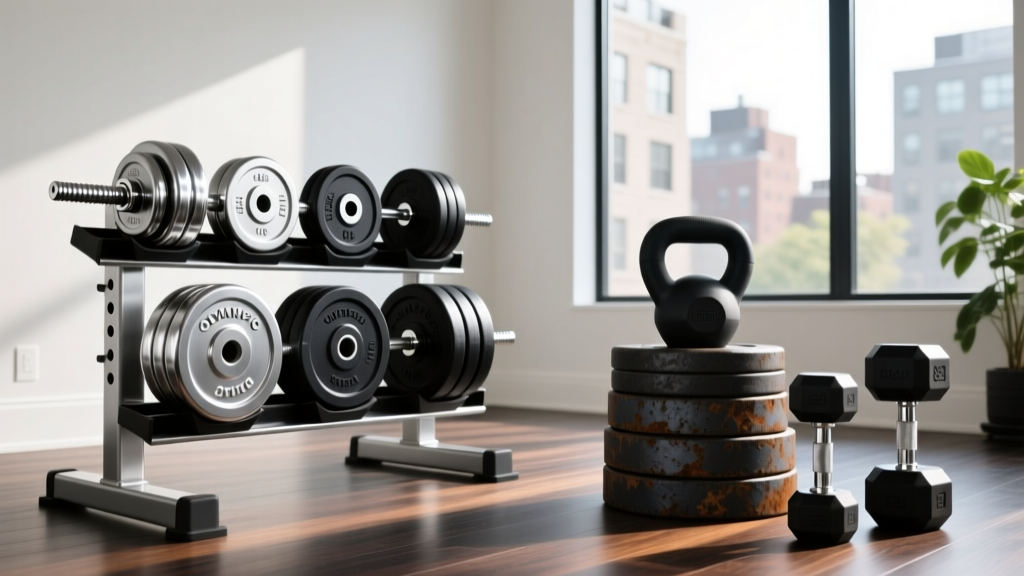
Olympic vs Standard Plates: Heavy Lifts & Biceps Using Dumbbells
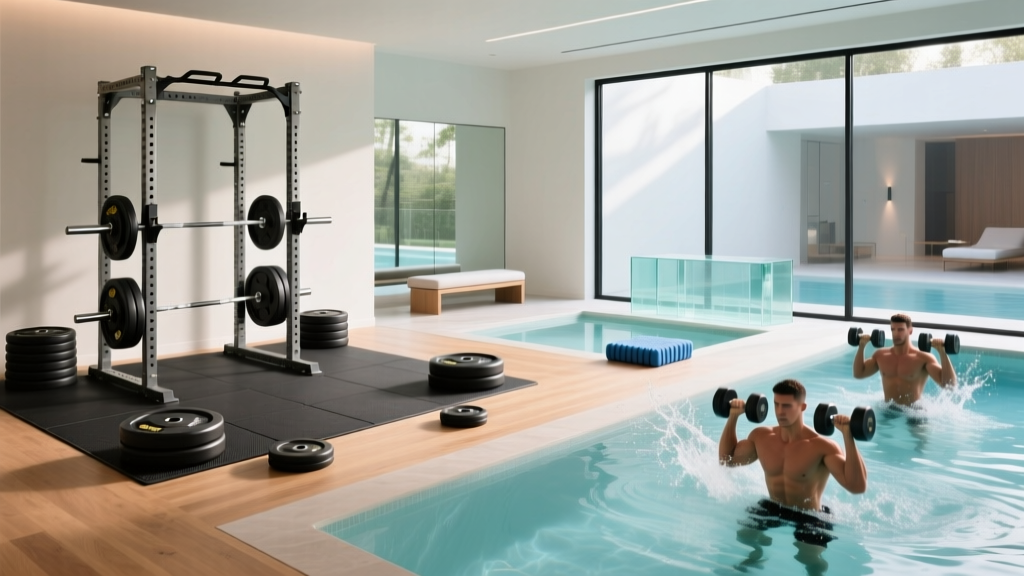
Bumper Plate vs Iron Plate Layouts & Pool Dumbbells Exercises Zones
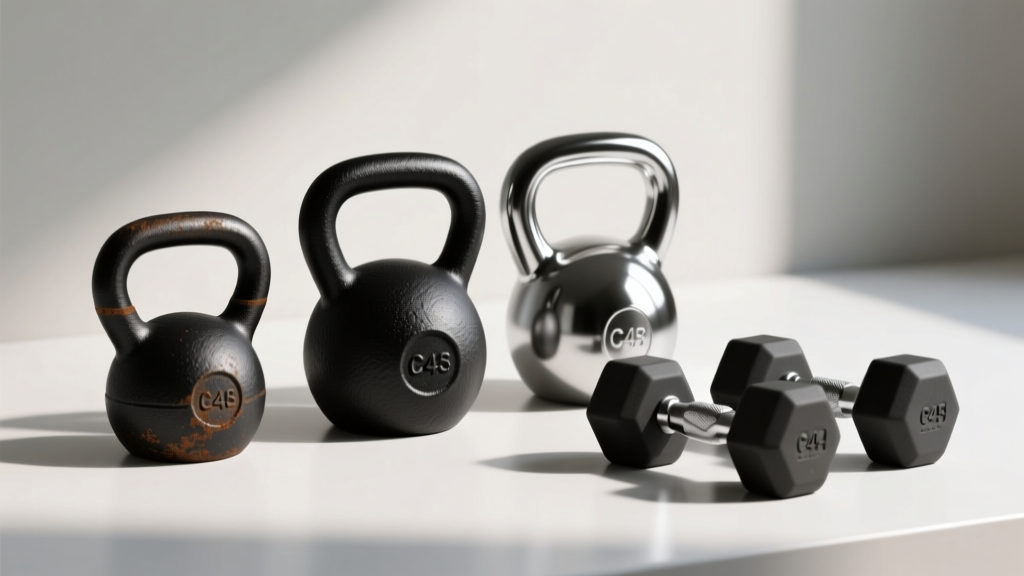
Cast Iron vs Competition Kettlebells: Budget & Dumbbell Chart PDF
