
Hedonic Treadmill Definition: Why Belt Maintenance Beats Upgrading
Discover the hedonic treadmill definition and how a $15 belt lubrication routine saves you thousands in premature cardio equipment upgrades.

The Hedonic Treadmill Definition and the Fitness Gear Trap
When behavioral economists and psychologists discuss the hedonic treadmill definition, they refer to the human tendency to quickly return to a baseline level of happiness despite major positive or negative events or life changes. In the context of consumer fitness gear, this psychological phenomenon explains why you might spend $2,500 on a premium smart treadmill, experience a brief honeymoon phase of excitement, and then—three years later—find yourself browsing for a new model because the old one 'feels sluggish' or 'doesn't inspire you anymore.'
As we navigate the fitness equipment market in 2026, mid-tier smart treadmills average between $2,200 and $3,000. Many consumers fall into the trap of the hedonic treadmill cycle, mistakenly believing their current machine is obsolete or broken when, in reality, the deck-belt interface simply lacks proper lubrication. By shifting your budget from endless upgrade cycles to proactive, microscopic maintenance, you can extend the life of your drive motor and deck by up to a decade.
The Physics of Friction: What Happens When You Skip Lubrication
A treadmill is essentially a giant conveyor belt dragging a human load across a stationary deck. Most modern home treadmills (such as the Sole F80 or NordicTrack 1750) utilize a phenolic resin-coated MDF deck. This coating is designed to be slick, but it requires a microscopic layer of 100% silicone to reduce the coefficient of friction.
⚠️ The Amp-Draw Danger Zone: A healthy treadmill drive motor operating with no user on the belt should draw between 2.0 and 4.0 amps. If your belt is dry, friction increases exponentially. The motor controller compensates by pushing more voltage, often spiking the draw to 6.0–9.0 amps. Sustained high-amp draw generates excess heat, eventually melting the solder joints on your motor control board (MCB) or demagnetizing the drive motor itself.Replacing a proprietary drive motor in 2026 costs between $280 and $450, plus labor. Replacing a warped, friction-burned deck costs $150 to $300. Conversely, a bottle of 100% silicone treadmill lubricant costs roughly $14.99 and will last for 3 to 5 years.
6-Year Budget Breakdown: Maintenance vs. The Upgrade Cycle
To illustrate the financial impact of the hedonic treadmill effect versus practical value analysis, consider this 6-year cost of ownership comparison based on a user running 15 miles per week.
| Expense Category | The Upgrader (Hedonic Cycle) | The Maintainer (Value Protocol) |
|---|---|---|
| Initial Machine Purchase (Year 1) | $2,400 | $2,400 |
| Silicone Lubricant (Years 1-6) | $0 (Ignored) | $30 (2 bottles) |
| Motor Control Board Replacement | $180 (Year 3 burnout) | $0 |
| Second Machine Purchase (Year 5) | $2,600 (Inflation adjusted) | $0 |
| Total 6-Year Cost | $5,180 | $2,430 |
Data aggregated from consumer repair logs and Consumer Reports' treadmill longevity studies consistently show that dry belts are the number one cause of premature electronic failure in home cardio equipment.
The $15 Fix: Step-by-Step Belt Lubrication Protocol
Do not use WD-40, household silicone sprays, or petroleum-based oils. Household sprays contain propellants and solvents that will dissolve the adhesives binding your treadmill belt layers together, causing immediate delamination. You must use 100% pure liquid silicone designed specifically for fitness equipment.
Materials Required
- 4oz bottle of 100% silicone treadmill lube (e.g., Impulse, Horizon, or generic fitness silicone)
- Phillips-head screwdriver or Allen wrench (for belt tension bolts)
- Microfiber towel
- Smart plug with energy monitoring (optional, for amp-draw verification)
Application Steps
- Loosen the Belt: Locate the two rear roller adjustment bolts at the back end caps of the treadmill. Turn both bolts counter-clockwise exactly two full rotations. This lifts the belt away from the deck.
- Apply the Silicone: Slide the applicator wand (or a clean squeeze bottle tube) under the center of the belt. Squeeze exactly 1/2 ounce (about one tablespoon) of silicone in a zigzag pattern, covering the middle 2/3rds of the belt width.
- Retighten to Factory Tension: Turn both rear bolts clockwise exactly two full rotations to return the belt to its original tension. Pro Tip: If your belt was already slipping before lubrication, add an extra quarter-turn to both sides to maintain equal tension.
- Distribute the Lube: Turn the treadmill on to 3.0 MPH. Walk on the belt for 3 to 5 minutes, intentionally shifting your weight side-to-side to spread the silicone evenly across the phenolic deck.
- Wipe the Edges: Use your microfiber towel to wipe away any excess silicone that squeezes out the sides to prevent slipping hazards on the floor mat.
Diagnostic Framework: Is Your Belt Dead or Just Thirsty?
Before ordering replacement parts, perform these two non-destructive field tests to determine if your belt and deck are salvageable.
1. The 'Push' Test (Deck Wear Diagnostics)
Turn the machine off and unplug it. Lift the belt on the side and run your bare fingers across the surface of the wooden deck. It should feel as smooth as glass. If you feel deep grooves, ridges, or a rough, sandy texture, the phenolic coating has been burned off. No amount of lubricant will fix a bare MDF deck; the friction will immediately destroy your new belt. A deck replacement is required.
2. The 'Stomp' Test (Belt Tension Diagnostics)
Stand on the side rails and start the belt at 2.0 MPH. Step onto the belt and plant your feet firmly. Try to 'stomp' forward, stopping the belt with your feet while the motor continues to pull. If the front roller spins but the belt stops, your belt is too loose or the drive belt (connecting the motor to the front roller) is worn. If the belt grabs and the motor stalls or clicks, your tension is correct, but the motor capacitor may be failing.
Industry Insight: 'Most consumers confuse a loose walking belt with a failing motor. They hear a rhythmic thumping or slippage and assume the electronics are shot. In 80% of cases, a simple quarter-turn of the rear tension bolts and a fresh silicone application resolves the issue entirely.' — Lead Technician, FitGearPulse Repair Lab
Brand-Specific Edge Cases and Quirks
Not all 2026 treadmills follow the standard liquid silicone protocol. Understanding your specific machine's engineering is vital for budget accuracy.
- Sole Fitness (e.g., F63, F80): Many older Sole models shipped with a wax-impregnated belt rather than requiring liquid silicone. If you have a wax belt, applying liquid silicone will create a gummy residue that ruins the deck. Check your specific serial number's manual. If liquid is approved, use it sparingly.
- Woodway (e.g., Curve, 4Front): Woodway utilizes vulcanized rubber slat belts running on ball bearings. These require zero lubrication between the belt and the running surface. Attempting to lubricate a Woodway slat belt will attract dust and ruin the bearing seals. Your maintenance budget here goes toward annual bearing inspections, not silicone.
- Peloton (Tread, Tread+): Peloton officially states their belts are pre-lubricated and do not require routine maintenance. However, independent repair technicians note that after 3,000+ miles (roughly 4 years of heavy use), the factory coating degrades. While Peloton support may advise against aftermarket lubes to protect warranty terms, out-of-warranty machines benefit vastly from the standard 100% silicone protocol to prevent MCB failure.
Final Verdict: Breaking the Cycle
The hedonic treadmill definition warns us against the illusion that a new purchase will permanently fix our dissatisfaction. In the realm of home fitness equipment, that dissatisfaction is often just the physical manifestation of friction, heat, and neglected mechanics. By implementing a strict, bi-annual lubrication protocol and monitoring your motor's amp draw, you reject the consumerist trap. You keep your $2,500 machine running like a commercial gym staple for a decade, freeing up your budget for what actually matters: your health, your training, and your time.
More gear to consider
All reviews
Budget Guide: 28 Day Treadmill Challenge PDF & Walking Pads

Sole S80 Treadmill Belt Maintenance: Expert Lubrication Guide
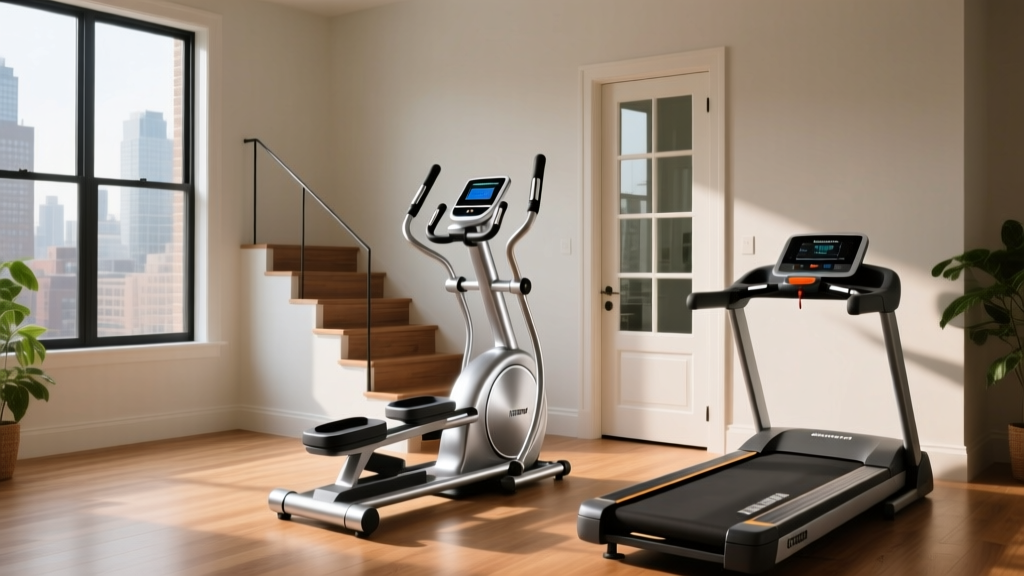
Stair Climber Setup: Beating Treadmill French Door Clearance Issues

ProForm ZT6 Treadmill: 2026 Compact Cardio Value Breakdown

Timothy Treadmill vs Stationary Bike Types: Space Optimization Layout Guide
