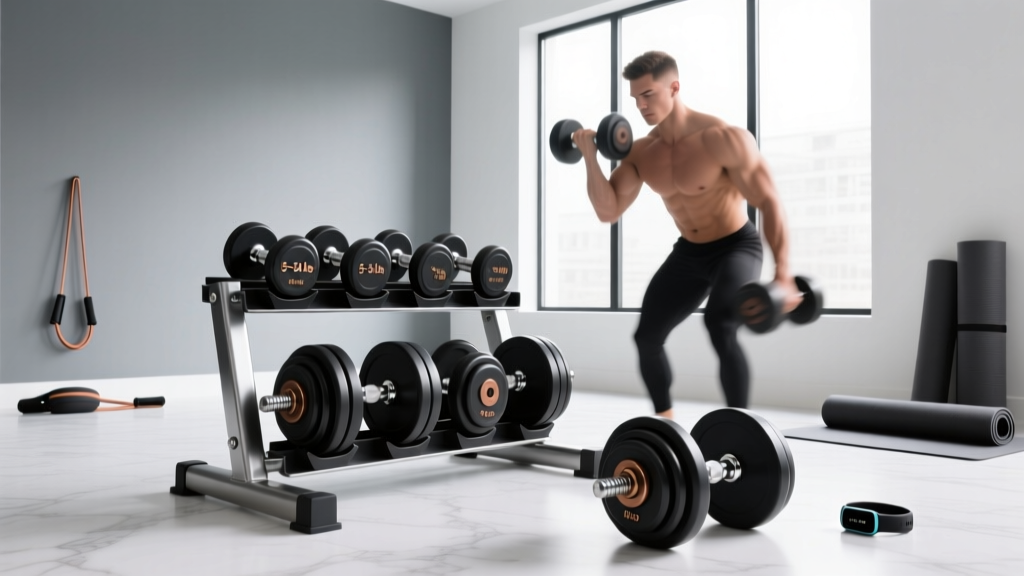
Hammer Strength Dumbbells vs Neoprene: Home Gym Guide
Compare Hammer Strength dumbbells with neoprene coated options for home use. Expert breakdown of coatings, pricing, durability, and failure modes.

The Coating Conundrum: Commercial Durability vs. Home Gym Practicality
When outfitting a home gym, the debate over dumbbell coatings is one of the most common hurdles for buyers. On one end of the spectrum, you have the commercial gold standard: Hammer Strength dumbbells, renowned for their virtually indestructible urethane and virgin rubber constructions. On the other end, you have the ubiquitous neoprene coated dumbbell for home use, heavily marketed for its vibrant colors, soft grip, and budget-friendly price point. But which one actually belongs on your home gym floor?
As of 2026, the home fitness equipment market has seen a massive influx of hybrid training styles, blending heavy strength work with high-repetition aerobic conditioning. This shift demands a critical look at material science, ergonomics, and long-term cost per pound. In this in-depth buying guide, we break down the exact specifications, failure modes, and real-world pricing of Hammer Strength's commercial lineup versus premium neoprene alternatives to help you make an informed, no-regret purchase.
The Commercial Benchmark: Hammer Strength Dumbbells
Hammer Strength has been a staple in commercial fitness facilities for decades. When lifters search for "Hammer Strength dumbbells," they are typically looking at two distinct product lines: their premium Urethane Hex Dumbbells and their Virgin Rubber Hex Dumbbells. Both are engineered for the abuse of a 24/7 gym environment, but they translate differently to a home setting.
Material Breakdown: Urethane vs. Virgin Rubber
Urethane is a high-density polymer that offers superior resistance to abrasion, UV light, and chemical cleaners. Hammer Strength's urethane dumbbells feature a precise weight calibration (usually within 2% of the stated weight) and emit virtually zero odor. Their virgin rubber line, while slightly more affordable, uses high-quality, non-recycled rubber to minimize the "tire shop" off-gassing smell that plagues cheaper commercial brands.
💰 2026 Pricing Reality Check:Hammer Strength Urethane Dumbbells currently retail between $3.50 and $4.50 per pound. A standard pair of 50 lb dumbbells will cost you between $350 and $450. Their rubber line sits slightly lower at $2.50 to $3.25 per pound. While this is a premium investment, the lifespan of these dumbbells is measured in decades, not years.
The Home Gym Challenger: Neoprene Coated Dumbbells
Neoprene (polychloroprene) is a synthetic rubber that is soft, pliable, and easily dyed. In the fitness industry, neoprene coated dumbbells are almost exclusively manufactured in lighter weight increments—typically ranging from 1 lb to 20 lbs, though some brands push up to 30 lbs. They are the default choice for P90X routines, physical therapy, Pilates, and general aerobic conditioning.
Where Neoprene Excels (And Where It Fails)
The primary advantage of a neoprene coated dumbbell for home use is floor safety and acoustic dampening. If you are training in a spare bedroom with luxury vinyl plank (LVP) flooring or laminate, setting down a 15 lb neoprene dumbbell will not dent the floor or create a jarring noise. Furthermore, the color-coded coating system (e.g., 3 lbs is red, 5 lbs is green, 8 lbs is blue) allows for rapid weight changes during high-intensity interval training (HIIT) circuits.
However, neoprene is fundamentally unsuited for heavy, progressive overload. The coating is essentially a thick sleeve slipped over a cast-iron core. Over time, the salts and oils from human sweat break down the polymer chains in the neoprene, leading to a sticky, degrading surface that traps bacteria and dead skin cells.
Handle Ergonomics and Knurling: A Critical Overlooked Factor
One of the most significant differences between Hammer Strength dumbbells and neoprene home dumbbells lies in the handle design, a detail heavily emphasized by the National Strength and Conditioning Association (NSCA) when discussing grip fatigue and force production.
- Hammer Strength Handles: Feature a solid steel, chrome-plated shaft with a 28mm to 30mm diameter. The knurling is aggressively patterned to bite into the calluses of the palm, ensuring the dumbbell does not rotate during heavy lateral raises or Romanian deadlifts.
- Neoprene Handles: Usually feature a bare, unknurled or lightly textured chrome shaft. Because the neoprene coating stops abruptly at the handle junction, there is often a raised lip that can dig into the heel of your hand during pressing movements. Furthermore, the lack of deep knurling means grip strength becomes the limiting factor long before your target muscle fails.
Head-to-Head: Hammer Strength vs. Neoprene Comparison Matrix
| Feature | Hammer Strength Urethane | Hammer Strength Rubber | Premium Neoprene (Home) |
|---|---|---|---|
| Weight Range | 5 lbs - 150+ lbs | 5 lbs - 120 lbs | 1 lb - 30 lbs |
| Cost Per Pound | $3.50 - $4.50 | $2.50 - $3.25 | $1.25 - $2.00 |
| Floor Impact | High (Requires 3/4" rubber mats) | High (Requires 3/4" rubber mats) | Low (Safe for LVP/Laminate) |
| Odor Profile | Zero Odor | Mild (Dissipates in 2-3 weeks) | Zero Odor |
| Drop Tolerance | Excellent (Commercial rated) | Very Good | Poor (Core can crack coating) |
| Hygiene | Wipes clean instantly | Wipes clean, porous over time | Traps sweat, requires enzymatic wash |
Real-World Failure Modes & Edge Cases
When consulting with home gym owners and reviewing warranty claims, specific failure modes consistently emerge for both categories. Understanding these edge cases is crucial for protecting your investment.
The Neoprene "Seam Tear" and UV Degradation
The most common failure point for a neoprene coated dumbbell is the seam where the coating meets the chrome handle. When users perform exercises like dumbbell pullovers or heavy tricep extensions, the friction and rotational torque applied to the handle slowly peel the neoprene back from the steel core. Once moisture enters this micro-tear, the cast iron core begins to rust from the inside out, eventually causing the coating to bubble and flake off. Additionally, if your home gym is in a sunroom or garage with direct UV exposure, neoprene will chalk, fade, and become brittle within 18 to 24 months.
Urethane Chipping on Unprotected Concrete
While Hammer Strength urethane is incredibly durable, it is not magic. A frequent edge case occurs when users drop heavy (50+ lb) urethane hex dumbbells directly onto bare garage concrete. The high-density urethane transfers the kinetic energy directly into the sharp hex edges. While the dumbbell won't shatter, the edges will chip and flatten over time, eventually ruining the anti-roll geometry of the hex shape. As noted in equipment maintenance guidelines by the American Council on Exercise (ACE), proper flooring is just as critical as the equipment itself to maintain structural integrity.
"If you are dropping weights from shoulder height or higher, no coating will save your floor or the dumbbell edge without a minimum of 3/4-inch thick vulcanized rubber matting. Urethane protects the iron core; it does not defy physics."
The FitGearPulse Decision Framework: Which Should You Buy?
Choosing between Hammer Strength dumbbells and a neoprene coated dumbbell for home use isn't about which is objectively "better"—it's about matching the tool to your specific training stimulus. Use this step-by-step framework to finalize your shopping cart.
- Assess Your Primary Training Modality: If your routine consists of heavy hypertrophy work, powerbuilding, or CrossFit-style drop sets (e.g., dumbbell snatches, heavy goblet squats, chest presses over 25 lbs), you must buy urethane or virgin rubber. Hammer Strength or comparable commercial brands (like the Rogue Fitness urethane lineup) are mandatory here. Neoprene will physically fail under these loads.
- Evaluate Your Flooring and Space: If you are working out in a shared living space, an apartment, or directly over finished hardwood/LVP flooring, and your routine is strictly limited to high-rep lateral raises, tricep kickbacks, and aerobic conditioning (under 20 lbs), neoprene is the superior choice. It eliminates the need for bulky horse-stall mats and keeps the peace with downstairs neighbors.
- Calculate the Long-Term Cost: If you buy a 50 lb set of neoprene dumbbells (if you can even find them), the cost per pound is low, but you will likely replace them in 3 years due to degradation. A pair of 50 lb Hammer Strength rubber dumbbells costs roughly $300 upfront but will easily outlive you, making the generational cost-per-use practically zero.
- The Hybrid Solution: The smartest home gyms in 2026 utilize a mixed approach. Purchase a commercial-grade urethane or rubber set (like Hammer Strength) for your heavy, foundational lifts (15 lbs and above). Supplement this with a cheap, color-coded neoprene set (1 lb to 12 lbs) strictly for physical therapy, warm-ups, and high-rep burnout sets. This protects your floors during light work while ensuring you have the ergonomic knurling and durability required for heavy lifting.
Ultimately, your dumbbell coating dictates your grip security, your floor's safety, and your equipment's lifespan. By understanding the material realities of Hammer Strength's commercial engineering versus the budget-friendly nature of neoprene, you can build a home gym that is both highly functional and financially sound.
More gear to consider
All reviews
Rubber Hex vs Urethane: Value for Jumping Squats with Dumbbells
EZ Curl Bar vs Straight Bar: Leg Day Workouts with Dumbbells (2026)

Top Loadable Pectoral Dumbbell Handles (2026 Review)

Neoprene 5lb Dumbbell Set: Home Gym Setup & Storage Guide
Cast Iron vs Competition Kettlebells Beyond Standard Dumbbell Curls