
Best Home Gym Accessories Storage for Remodels: Slatwall vs Pegboard
Compare top home gym accessories storage systems for your remodel. We break down slatwall vs. pegboard framing, costs, and load limits.

The Remodeling Dilemma: Why Standard Shelving Fails
When converting a garage, basement, or spare bedroom into a dedicated fitness space, most homeowners focus heavily on the big-ticket items: the power rack, the rowing machine, and the rubber flooring. However, the most common point of failure in a newly renovated gym is inadequate organization. Standard wire shelving and cheap plastic bins cannot withstand the dynamic loads, chalk dust, and heavy abuse of a serious training environment. If you are currently in the rough-in or planning phase of a renovation, integrating purpose-built home gym accessories storage into your wall framing is one of the highest-ROI decisions you can make.
Storing 45-pound bumper plates, heavy resistance bands, kettlebells, and recovery tools requires specialized load-bearing solutions. In this head-to-head comparison, we evaluate the three dominant storage systems used in modern gym remodels: Slatwall panels, Steel Pegboards, and Modular Wire Grids. We will break down exact load capacities, required framing modifications, and 2026 pricing to help you choose the right system before the drywall goes up.
Head-to-Head: Top Home Gym Accessories Storage Systems
1. Gladiator GearTrack Slatwall System
The Gladiator GearTrack (specifically the 48-inch GAWP048PBY model) is a heavy-duty PVC and composite slatwall system originally designed for high-end garage remodels. It has become a staple in home gyms due to its proprietary channel design, which locks hooks into place—preventing them from dislodging when you aggressively yank a heavy resistance band or drop a loaded barbell nearby.
- Max Load Capacity: 75 lbs per linear foot when mounted directly to studs.
- Best For: Belts, lifting straps, foam rollers, massage guns, and cleaning supplies.
- Remodel Integration: Requires a perfectly flat wall. If your existing studs are bowed, the rigid PVC tracks will warp and the locking channels will fail.
2. Rogue Fitness 43-Inch Monster Pegboard
For those building a garage gym centered around a power rack, the Rogue Monster Pegboard is the undisputed heavyweight champion. Laser-cut from 11-gauge steel and finished in a textured black powder coat, it is designed to integrate seamlessly with the Rogue ecosystem.
- Max Load Capacity: Virtually limitless for static loads; limited only by your wall's shear strength and fastener choice.
- Best For: Wall balls, medicine balls, barbells (using specialized pegs), rig attachments, and heavy chains.
- Remodel Integration: Must be bolted directly to structural studs or heavy plywood backing. It cannot be mounted to drywall alone.
3. Fleximounts Heavy Duty Wall Grid
A budget-friendly, modular wire grid system that is highly customizable. While it lacks the premium finish of Gladiator or the raw industrial strength of Rogue, it offers exceptional versatility for lightweight to medium-weight accessories.
- Max Load Capacity: Roughly 30-40 lbs per panel when properly anchored.
- Best For: Jump ropes, lacrosse balls, ab wheels, and small recovery tools.
- Remodel Integration: Highly forgiving on uneven walls due to its flexible wire structure and standoff mounting brackets.
Comparison Matrix: Specs & Remodel Requirements
| Feature | Gladiator GearTrack | Rogue Monster Pegboard | Fleximounts Wall Grid |
|---|---|---|---|
| Material | Heavy-Duty PVC/Composite | 11-Gauge Laser-Cut Steel | Welded Steel Wire |
| Avg Cost (per 4x4 section) | $240 - $280 | $350 - $400 | $80 - $110 |
| Required Wall Backing | 3/4' Plywood or Direct Stud | Direct Stud or 2x6 Blocking | Standard Drywall Anchors OK |
| Installation Phase | Post-Drywall / Paint | Post-Drywall / Paint | Post-Drywall / Paint |
| Vibration Resistance | High (Locking Channels) | Moderate (Pins can rattle) | Low (Wire flexes) |
Renovation Rough-In: Framing and Blocking for Heavy Storage
The biggest mistake DIY renovators make is hanging standard 1/2-inch drywall and attempting to mount heavy home gym accessories storage directly into it using toggle bolts. When a 50-pound kettlebell is placed on a pegboard shelf, it creates a massive lever arm. Over time, the vibration from dropped weights will pulverize the gypsum core, leading to catastrophic pull-out.
'In high-vibration environments like home gyms, relying solely on drywall for lateral and shear loads is a guaranteed failure point. Proper blocking during the rough-in phase is non-negotiable for heavy wall-mounted storage.' — Fine Homebuilding Framing Guidelines
The Plywood Sheathing Method
Before your drywall contractor hangs a single sheet, map out exactly where your storage will go. For the designated storage walls, install 3/4-inch CDX plywood sheathing directly over the studs, cutting out spaces for electrical outlets. You can then hang your 1/2-inch drywall directly over the plywood, or apply the storage panels directly to the plywood and paint the surrounding drywall to match. According to Family Handyman's slatwall installation guides, backing a slatwall with 3/4-inch plywood increases the pull-out resistance of a standard wood screw by over 400%.
Strategic 2x6 Blocking
If full plywood sheathing is outside your budget, install horizontal 2x6 blocking between your studs at three critical heights: 16 inches, 48 inches, and 72 inches from the subfloor. This ensures that no matter where you place a horizontal track or a heavy pegboard bracket, you have structural lumber to drive 3-inch GRK structural screws into.
WARNING: Fastener SelectionNever use standard black drywall screws to mount home gym accessories storage. Drywall screws are highly brittle and will snap under the shear stress of heavy equipment. Always use structural screws (like Simpson Strong-Tie or GRK RSS) which are designed to flex and hold under dynamic loads.
Electrical and Tech Integration in the Storage Zone
Modern home gyms in 2026 are heavily reliant on technology. Your storage wall isn't just for iron; it's for charging stations. When planning your home gym accessories storage, dedicate a 4-foot section for a 'Recovery and Tech Hub'.
- Run a dedicated 20-Amp circuit to the storage wall to handle simultaneous charging of Theraguns, Normatec compression boots, and smartwatches without tripping a breaker shared with a space heater or window AC unit.
- Install recessed outlets behind slatwall panels. You can cut a small access hole in the slatwall to feed charging cables through, keeping the visible wall completely free of wire clutter.
- LED Lighting: Route low-voltage LED strip channels along the top edge of your storage panels. This provides crucial shadow-free lighting when searching for small accessories like lifting hooks or collars.
Cost Breakdown: Budgeting a 10-Foot Storage Wall
Let's look at the real-world costs of outfitting a standard 10-foot wide by 8-foot high wall with these three systems, including the necessary remodeling materials (plywood backing and structural fasteners).
- Gladiator Slatwall Build: $650 (Panels) + $180 (Hooks/Brackets) + $120 (Plywood/Screws) = $950 Total
- Rogue Pegboard Build: $525 (Two 43' Boards) + $150 (Pegs/Shelves) + $80 (Blocking/Screws) = $755 Total
- Fleximounts Grid Build: $160 (Grid Panels) + $60 (Hooks) + $0 (Standard drywall anchors) = $220 Total
While the Fleximounts system is the clear budget winner, the Gladiator and Rogue systems offer vastly superior durability and aesthetic integration for a premium remodel. For a complete, professional-grade setup, many renovators use a hybrid approach: Rogue pegboards directly behind the power rack for heavy barbell and rig storage, and Gladiator slatwalls on the adjacent walls for belts, bands, and recovery gear.
Expert Verdict: Which System Wins for Your Build?
If your remodel involves a dedicated room where aesthetics and clean lines are paramount, the Gladiator GearTrack is the superior choice. Its locking mechanism prevents accessories from falling during intense workouts, and it hides wall imperfections beautifully. You can view the exact mounting specs on the Rogue Fitness equipment pages if you are considering mixing systems.
However, if you are building a raw, garage-style gym focused on heavy Olympic lifting and CrossFit-style training, the Rogue Monster Pegboard is mandatory. Its 11-gauge steel construction can handle the abuse of flying chalk, dropped barbells, and heavy wall-ball impacts that would shatter a PVC slatwall panel.
Frequently Asked Questions
Can I mount slatwall directly to concrete block walls?
Yes, but you must use Tapcon masonry screws and furring strips to create a 1-inch air gap. Mounting flush against concrete traps moisture, which can warp composite panels and rust steel hooks.
How do I protect my wall from chalk dust?
Install a washable, semi-gloss acrylic paint on the drywall surrounding your storage. Flat paint absorbs chalk dust and is nearly impossible to clean without removing the paint itself.
What is the best height for a pegboard in a home gym?
The bottom edge of your primary pegboard should sit at 48 inches from the finished floor. This keeps heavy items at waist-height for safe lifting and leaves room below for a bench or plyo box storage.
More gear to consider
All reviews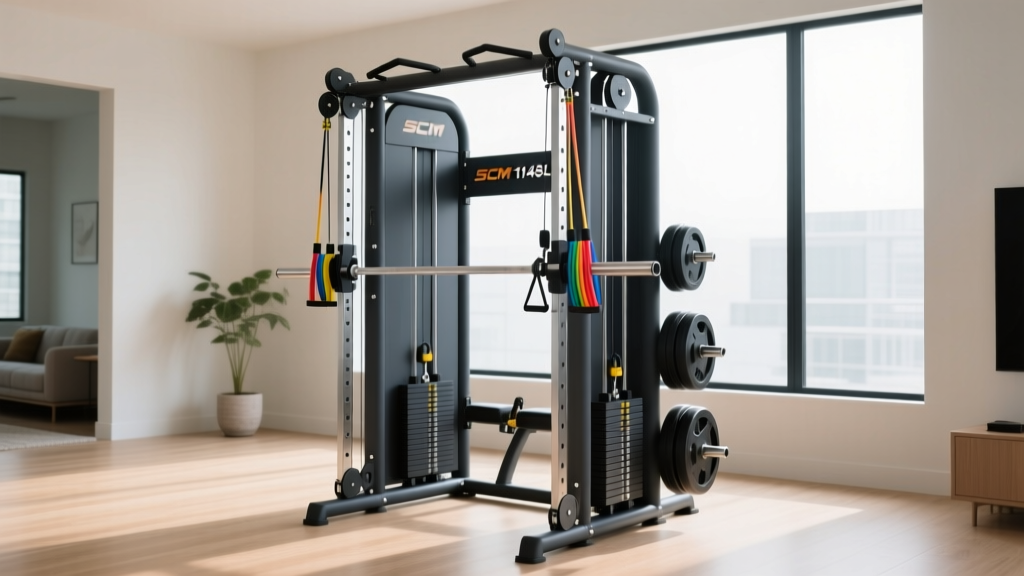
SCM 1148L Home Gym: Strength Configuration & Longevity Tips

Maintaining Top Home Gym Equipment Brands for Strength Gyms

Home Gym Black Walls Setup: Floor Plans & Expert Top Picks

Centr 1 Home Gym vs Best Foldable Alternatives for 2026

Weatherproofing Your Outdoor Gym Set for Home: Longevity Guide
