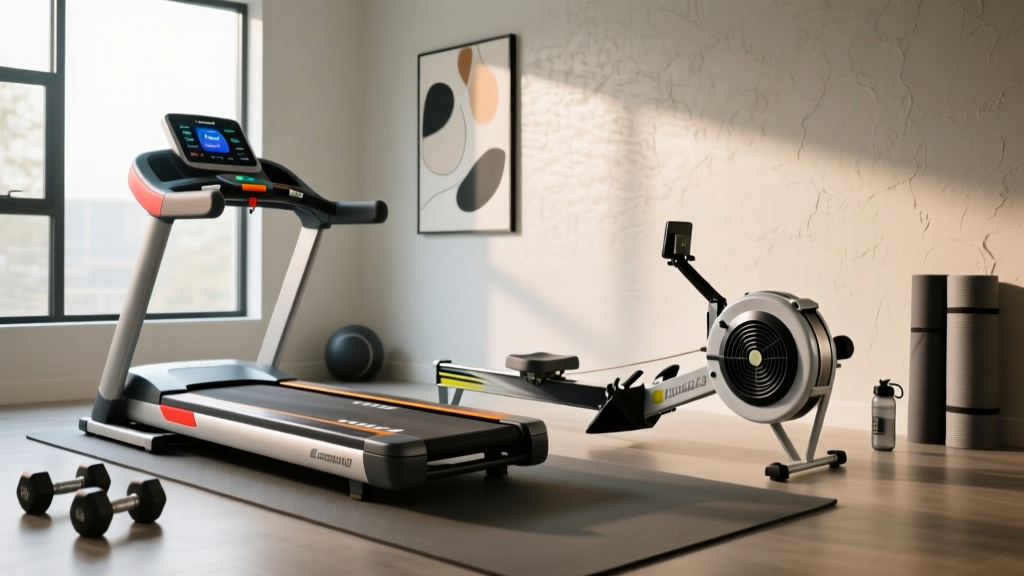
Can I Buy a Treadmill With My FSA? (Plus a Beginner Rowing Machine Guide)
Wondering if you can buy a treadmill with your FSA? Learn the 2026 FSA rules for cardio equipment and master the rowing machine with our beginner guide.

If you have been searching for the answer to the question, "can I buy a treadmill with my FSA?" you are likely trying to offset the high cost of home cardio equipment using your pre-tax healthcare dollars. The short answer is: generally, no. Under current IRS guidelines, exercise equipment bought for general health and fitness does not qualify for Flexible Spending Account (FSA) or Health Savings Account (HSA) reimbursement.
However, there is a legal workaround involving a Letter of Medical Necessity (LMN). Furthermore, many beginners who initially want a treadmill are pivoting to rowing machines in 2026. Rowers offer a superior, low-impact, full-body workout that is often much easier to justify for medical reimbursement (such as joint rehabilitation or physical therapy) than high-impact treadmills.
This guide will break down exactly how FSA eligibility works for cardio machines in 2026, and then provide a comprehensive, step-by-step beginner’s guide to buying and using a rowing machine.
The Truth About FSA Eligibility for Treadmills and Rowers
According to IRS Publication 502, you can only use FSA or HSA funds for exercise equipment if it is specifically prescribed by a physician to treat a diagnosed medical condition. "General health improvement" or "weight loss" without a specific clinical diagnosis will result in a rejected claim.
💡 The LMN Loophole: To buy a treadmill or rowing machine with your FSA, your doctor must write a Letter of Medical Necessity (LMN). The LMN must explicitly state your diagnosis (e.g., severe osteoarthritis, clinical obesity, or hypertension) and explain how the specific machine is required for treatment.Why Beginners Are Choosing Rowers Over Treadmills
While treadmills are great for walking and running, they place up to 3x your body weight of impact on your knees and hips. If you are seeking an LMN for joint pain, lower back issues, or post-surgical rehab, doctors are far more likely to prescribe a rowing machine. Rowing provides a zero-impact, seated, full-body cardiovascular workout that builds posterior chain strength without aggravating joints.
Rowing Machine Buying Guide for Beginners
If you are ready to invest in a rower, the market is flooded with options. Choosing the right resistance type and model is critical for long-term adherence.
Understanding Resistance Types
| Resistance Type | How It Works | Noise Level | Avg. Price Range | Best For |
|---|---|---|---|---|
| Air | Flywheel with fan blades; resistance increases with stroke rate. | Loud (Whooshing) | $800 - $1,200 | Hardcore athletes, CrossFit, data nerds. |
| Magnetic | Electromagnets brake the flywheel; resistance is dialed via console. | Whisper Quiet | $400 - $2,500 | Apartment dwellers, beginners, smart-class fans. |
| Water | Paddles spin in a tank of water; mimics real on-water rowing. | Moderate (Sloshing) | $700 - $1,500 | Aesthetics, sensory feedback, smooth stroke. |
| Hydraulic | Pistons attached to the handles provide resistance. | Quiet | $150 - $300 | Extreme budgets, small spaces (not recommended for true technique). |
Top 3 Beginner-Friendly Rowing Machines in 2026
- Concept2 RowErg (Standard Legs): Priced at $1,000. This is the undisputed gold standard of air rowers. It features the PM5 monitor, which tracks exact metrics like split times and watts. It holds its resale value better than any other fitness machine on the market.
- Echelon Row-Connect: Priced around $1,299. A magnetic rower that offers a quiet, smooth stroke and integrates with the Echelon Fit app for live and on-demand classes. Great for beginners who need instructor motivation.
- Sunny Health & Fitness SF-RW5515: Priced at $250 - $290. A magnetic/hybrid budget option. While the monitor is basic and the rail isn't as smooth as premium models, it is an excellent, low-risk entry point for absolute beginners testing the waters.
Step-by-Step Rowing Technique for Beginners
The most common reason beginners quit rowing is lower back pain, which is almost always caused by poor form. Rowing is not an upper-body pull; it is a lower-body push. According to the Concept2 Indoor Rower Technique Guide, the power distribution should be 60% legs, 30% core, and 10% arms.
Master these four distinct phases of the stroke:
1. The Catch (The Starting Position)
- Sit tall with your shins completely vertical (do not let your knees push past your ankles).
- Lean your torso forward to about 11 o'clock (hinging at the hips, not rounding the lower back).
- Arms are fully extended, shoulders relaxed, and lats engaged.
2. The Drive (The Power Phase)
- Legs First: Push explosively through your heels. Your arms remain completely straight, and your torso angle stays at 11 o'clock.
- Core Second: Once your legs are about 75% extended, swing your torso back from 11 o'clock to 1 o'clock.
- Arms Last: Finally, pull the handle into your lower chest/upper stomach, drawing your elbows back past your ribs.
3. The Finish
- Legs are fully extended (but not locked out).
- Torso is leaning slightly back (1 o'clock).
- Handle is resting lightly against your lower ribs.
4. The Recovery (The Reset)
The recovery is the exact reverse of the drive and should take twice as long.
- Arms Away: Extend your arms fully toward the flywheel.
- Body Over: Hinge at the hips to bring your torso back to 11 o'clock.
- Legs Up: Once your hands clear your knees, bend your knees and slide back to the Catch position.
If your hips shoot back but the handle doesn't move, you are "shooting the slide." This happens when you bend your arms too early or fail to brace your core, transferring all the load to your lower back. Keep your arms straight until your legs are nearly fully extended!
Your FSA/HSA Reimbursement Checklist
If you and your doctor determine a rowing machine is the correct therapeutic tool for your condition, follow this checklist to ensure your FSA claim is approved:
- Obtain the LMN before purchasing: Have your physician fill out a standard LMN form detailing your diagnosis (ICD-10 code), the prescribed equipment (Rowing Machine), and the duration of the treatment.
- Buy from an FSA-eligible retailer: Platforms like TrueMed or the FSA Store allow you to pay directly with your FSA/HSA card, bypassing the need for out-of-pocket reimbursement.
- Keep the itemized receipt: If paying out of pocket to submit later, ensure the receipt clearly states "Rowing Machine" and the exact model. Generic receipts that say "Sporting Goods" will be rejected by FSA administrators.
- Do NOT include accessories: FSA funds cover the medical device itself. Floor mats, heart rate monitors, and app subscriptions are generally considered non-eligible accessories and must be paid for with post-tax dollars.
Frequently Asked Questions
Can I use my FSA for a smart rower subscription like Hydrow or Peloton?
No. Monthly digital subscriptions, app memberships, and virtual coaching classes are categorized as "general wellness" or entertainment and are strictly prohibited from FSA/HSA reimbursement, even if you have an LMN for the physical machine.
What drag factor should a beginner use?
Most beginners mistakenly set the damper (the lever on the side of the flywheel) to 10, thinking it's like a bicycle gear. On a Concept2, a damper setting of 10 is like rowing a heavy, sluggish wooden boat. Beginners should set the damper between 3 and 5 (which equates to a drag factor of 115-130) to mimic the sleek feel of a real racing shell and protect the lower back during long sessions.
How long should a beginner row?
Start with interval training to maintain form. Row for 3 minutes at a relaxed 22-24 strokes per minute (SPM), followed by 1 minute of rest. Repeat this cycle 4 to 5 times. As your cardiovascular endurance and posterior chain strength improve, gradually increase the work intervals to 10 minutes.
More gear to consider
All reviews
Air Bike vs Assault Bike Guide: Why 'Treadmill Donation Near Me' Searches Are Surging
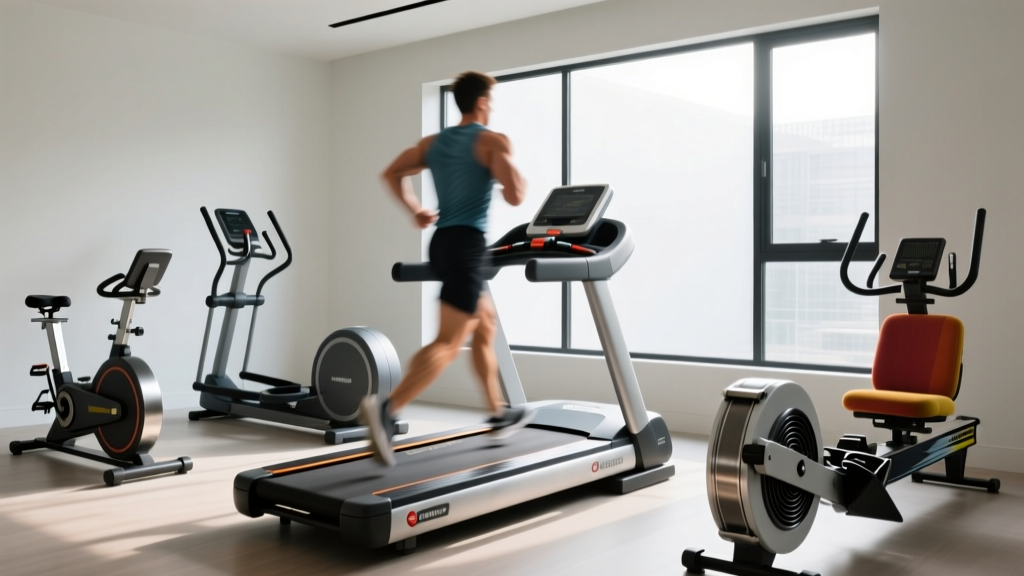
Cardio Machine Noise Comparison & Treadmill Running Muscles Used
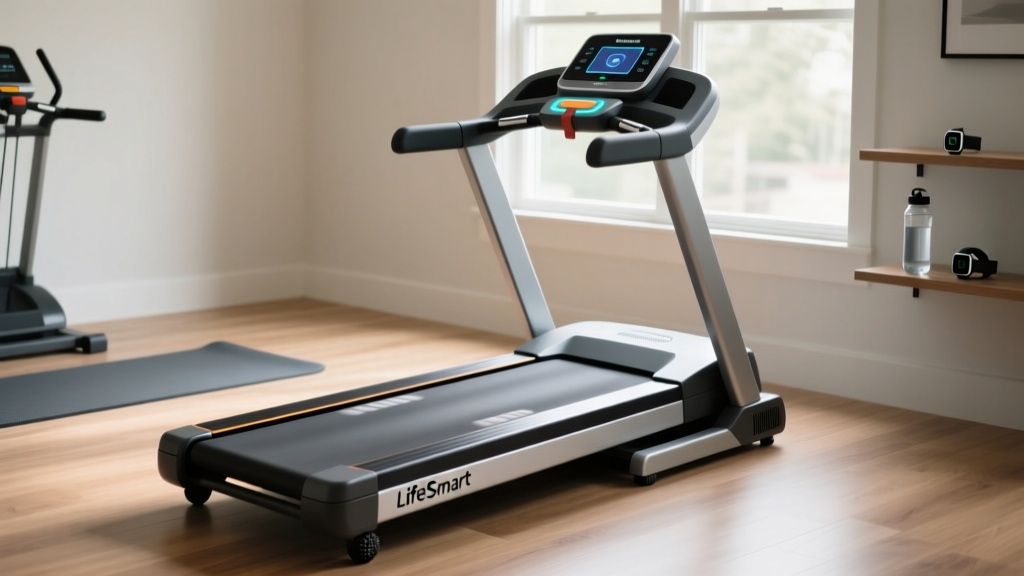
LifeSmart TM4500 PowerTouch Treadmill Review & Cardio Noise Fixes
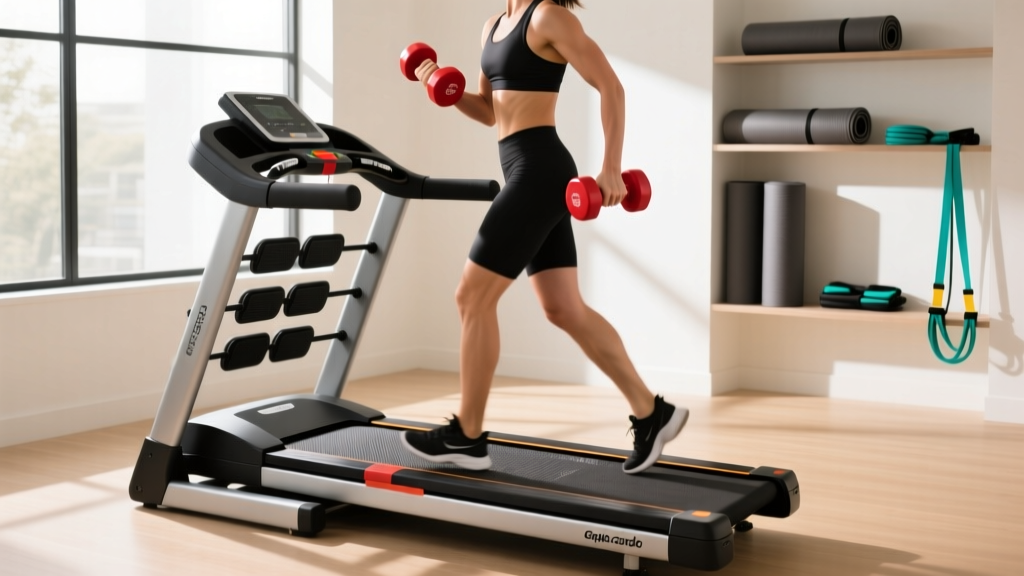
Treadmill Walk With Weights: Maintenance for Compact Pads
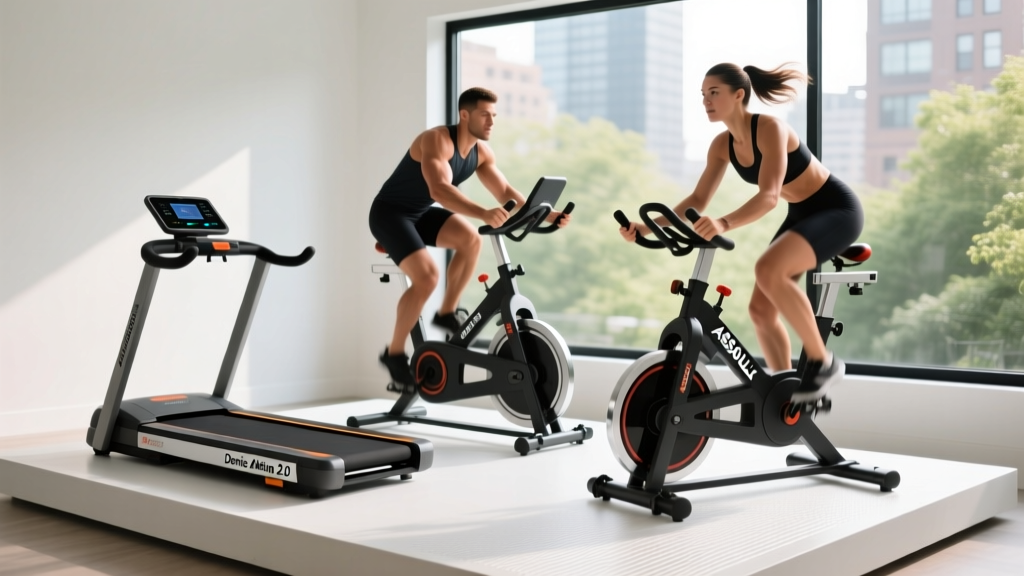
Air Bike vs Assault Bike Comparison Guide & WalkingPad Denise Austin 2.0 Foldable Treadmill Reviews
