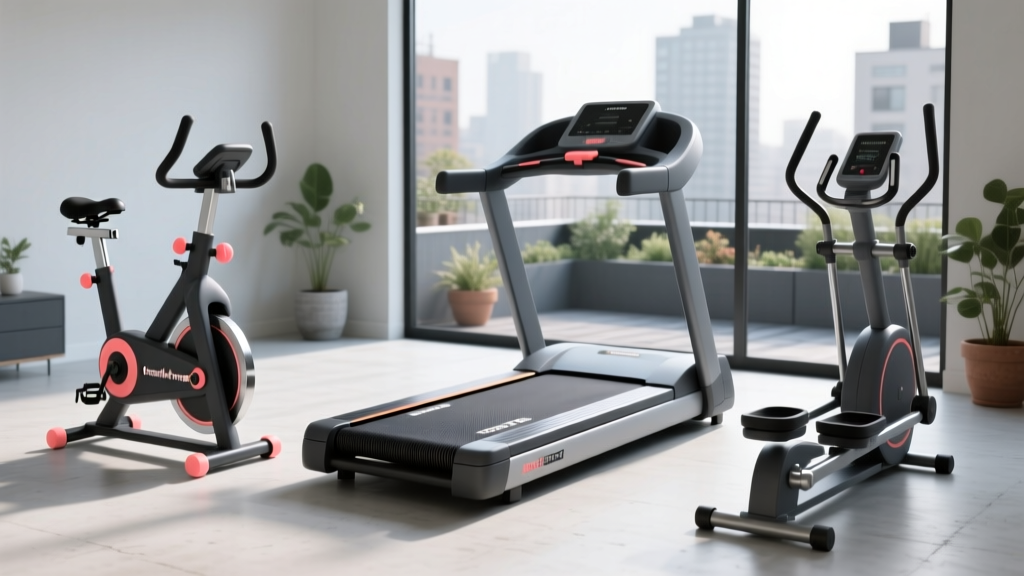
FSA Store Treadmill vs Elliptical: Maintenance & Longevity Guide
Compare an FSA store treadmill vs elliptical for home cardio. Discover maintenance tips, longevity costs, and care routines to protect your investment.

The debate between purchasing a treadmill or an elliptical for home cardio often revolves around joint impact, calorie expenditure, and spatial footprint. However, as we move through 2026, savvy home gym builders are increasingly focused on a more critical metric: Total Cost of Ownership (TCO). This includes not just the upfront price, but the long-term maintenance, part replacements, and acquisition strategies—such as leveraging pre-tax dollars via an FSA store treadmill purchase.
While the Mayo Clinic notes that both machines offer excellent aerobic benefits, their mechanical architectures are vastly different. A treadmill relies on high-friction continuous motion, while an elliptical utilizes a complex system of pivot joints and glide tracks. Understanding these mechanical differences is the key to maximizing the lifespan of your equipment.
The Acquisition Strategy: Navigating FSA Eligibility
Before diving into maintenance, we must address the financial acquisition. Many buyers search for an 'FSA store treadmill' hoping to use pre-tax Flexible Spending Account (FSA) or Health Savings Account (HSA) funds to offset the cost of a premium machine like the Sole F63 or NordicTrack Commercial 1750.
⚠️ FSA/HSA Compliance Warning:According to IRS Publication 502, exercise equipment is only eligible for FSA/HSA reimbursement if it is specifically prescribed to treat a diagnosed medical condition (e.g., obesity, hypertension, or physical therapy for a specific injury). You cannot simply buy a treadmill for general wellness. You must obtain a Letter of Medical Necessity (LMN) from your physician detailing the diagnosis and the required treatment protocol before making your FSA store treadmill purchase.
If you qualify, an FSA purchase significantly reduces the upfront financial sting, freeing up capital to invest in high-quality maintenance supplies and extended warranties.
Treadmill Maintenance: Managing Friction and Heat
Treadmills are essentially massive friction engines. The continuous rubbing of the belt against the deck generates heat, static electricity, and mechanical drag. Neglecting this friction is the number one cause of premature motor and control board failure.
1. Belt and Deck Preservation
The most critical maintenance task for any treadmill is lubrication. You must use 100% pure silicone lubricant (never petroleum-based products like WD-40, which will melt the belt backing).
- Frequency: Every 130 miles or every 3 months, whichever comes first.
- Application: Loosen the belt, lift it, and apply a zig-zag pattern of silicone across the center of the deck. Run the machine at 3 MPH for 5 minutes to distribute the fluid.
- Deck Inspection: High-end treadmills use phenolic-coated MDF decks. If you feel a 'grabbing' sensation or notice the belt drifting despite proper tension, the phenolic coating has worn through to the raw wood. At this point, the deck must be replaced (typically a $150–$300 part cost) to prevent the new belt from shredding.
2. Motor Hood and Electronics Care
Treadmill motors ingest room air to cool themselves. In a home environment, this means they act as vacuums for pet hair, dust, and carpet fibers. When dust coats the motor windings and the lower control board, it traps heat and causes static buildup. A static shock to the lower control board is a common, catastrophic failure mode that costs upwards of $250 to repair.
- Unplug the machine completely.
- Remove the 4 to 6 screws securing the front motor hood.
- Use a vacuum with a soft brush attachment to gently remove dust from the motor fan, flywheel, and circuit board.
- Wipe the board with an anti-static electronics cloth.
Elliptical Maintenance: The Pivot and Track System
Ellipticals bypass the high-friction belt issue, but they introduce a new challenge: multi-axis pivot joints and glide tracks. According to Cleveland Clinic fitness experts, ellipticals are superior for joint preservation, but their mechanical joints require meticulous care to prevent the dreaded 'elliptical squeak' and bearing failure.
1. Rail and Roller Care
For rear-drive or front-drive ellipticals with glide tracks (like the Sole E35), the polyurethane wheels track along aluminum rails. Dust and sweat mix to form an abrasive paste on these rails, which will eventually pit the aluminum and cause a bumpy, noisy stride.
- Cleaning: Wipe down the rails weekly with a microfiber cloth dampened with isopropyl alcohol. Avoid household glass cleaners, as the ammonia can degrade the polyurethane wheels over time.
- Inspection: Check the wheels for flat spots. If the machine is left in one position under heavy user weight for months, the wheels can deform.
2. Joint Lubrication and Mast Torque
The pivot points connecting the pedals to the crank arms utilize needle bearings. These must be lubricated with a PTFE (Teflon) or white lithium grease every 6 months.
Furthermore, 80% of elliptical squeaks do not come from the pedals; they come from the base mast. The vertical mast absorbs immense lateral torque during use. Every 6 months, use a torque wrench to tighten the mast-to-base bolts to the manufacturer's specification (usually around 40 Nm to 50 Nm). This single step eliminates most phantom squeaks and prevents frame fatigue.
Longevity and Cost Matrix: Treadmill vs. Elliptical
To help you decide which machine aligns with your maintenance willingness and long-term budget, refer to the 2026 Longevity Matrix below.
| Feature | Home Treadmill (e.g., Sole F63) | Home Elliptical (e.g., NordicTrack SE7i) |
|---|---|---|
| Expected Lifespan | 7 – 12 Years | 10 – 15+ Years |
| Primary Failure Point | Lower Control Board / Drive Motor | Drive Belt Tensioner / Pivot Bearings |
| Annual Maint. Cost | $30 - $50 (Silicone, belts) | $10 - $20 (PTFE grease, alcohol) |
| Required Skill Level | Moderate (Belt tracking, hood removal) | Low (Wiping rails, basic bolt tightening) |
| Power Consumption | High (600 - 1500 Watts under load) | Minimal (Under 50 Watts for console) |
Environmental Controls for Maximum Lifespan
Regardless of whether you choose a treadmill or an elliptical, the environment dictates longevity. Placing cardio equipment directly on carpet is a critical error. Carpet fibers are drawn into treadmill motor housings and elliptical flywheel bearings, acting as an insulating blanket that destroys components via heat.
The Solution: Always use a high-density PVC equipment mat (at least 3/8-inch thick). This not only prevents fiber ingestion but also dampens the harmonic vibrations that loosen internal hardware over time. Additionally, maintain your gym room's humidity between 40% and 50%. Excessive humidity causes sweat to corrode the exposed steel pivot points on ellipticals, while overly dry air increases static electricity risks on treadmills.
Final Verdict: Which Machine Survives Your Routine?
If your primary goal is to minimize long-term maintenance and you prefer a 'set it and forget it' approach, the elliptical is the superior choice. Its lack of a high-friction belt and high-draw motor means fewer catastrophic electronic failures and lower annual upkeep costs.
However, if you require the biomechanical specificity of running for marathon training, or if you have successfully secured a Letter of Medical Necessity to execute an FSA store treadmill purchase, the treadmill remains unmatched. Just commit to the strict 90-day silicone lubrication schedule and bi-annual motor hood cleanings. By treating your machine as a precision instrument rather than a static piece of furniture, you will easily push its lifespan well past the decade mark, maximizing both your health and your financial investment.
More gear to consider
All reviews
Cardio Noise Comparison & Inclining Treadmill Benefit Guide
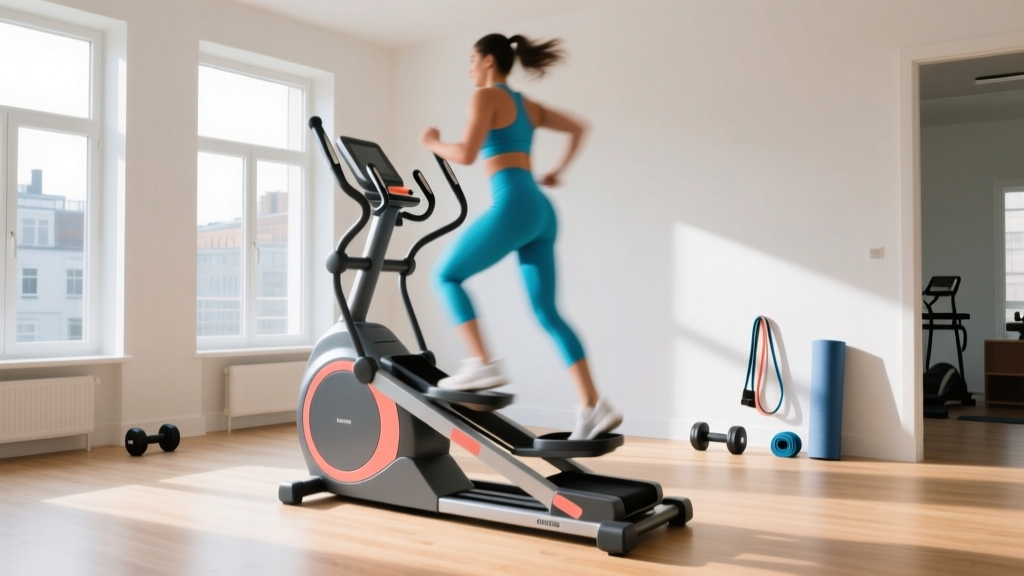
Home Stair Climber Guide: Beyond the Centr Hyrox Treadmill

NordicTrack T Series 16 Treadmill Review & Bike Types Maintenance

Is Walking Outside Better Than a Treadmill? Elliptical vs Treadmill

What's a Good Incline and Speed for Treadmill Walking Pads?