
Floor Presses with Dumbbells: Barbell Weight & Knurling Mistakes
Maxed out floor presses with dumbbells? Avoid common Olympic barbell buying mistakes regarding shaft weight, whip, and knurling to fix your pressing plateau.

The Dumbbell Pressing Ceiling: Why You Are Stalling
If you have been consistently programming floor presses with dumbbells, you have likely hit a frustrating plateau. Most intermediate lifters max out their dumbbell floor presses around the 80 to 100 lb per hand mark. Beyond this threshold, the limiting factor is rarely raw pectoral or triceps strength; instead, it is stabilization fatigue, grip failure, and the awkward mechanics of maneuvering heavy dumbbells into position while lying on the floor.
The logical troubleshooting step? Transitioning to an Olympic barbell. A barbell eliminates the independent stabilization requirement, allowing you to overload the triceps and chest safely. However, many lifters make critical mistakes when buying their first dedicated pressing barbell. They ignore barbell weight distribution, shaft diameter, and knurling topography, ultimately purchasing a bar that exacerbates joint pain or causes grip slip. This guide troubleshoots those exact equipment failures so you can break through your pressing plateau in 2026.
Mistake #1: Ignoring Shaft Diameter and Bar Weight
When you perform floor presses with dumbbells, the handle diameter is typically thick (often 35mm to 50mm on heavy adjustable or pro-style dumbbells). Transitioning to a standard 28mm Olympic weightlifting barbell can actually cause medial elbow pain because the thinner shaft forces your flexors to overwork to stabilize the load.
According to biomechanical analyses on pressing mechanics from ExRx, a thicker shaft diameter distributes the load across a wider surface area of the palm, reducing wrist extension torque and elbow strain. When buying an Olympic barbell for heavy floor and bench pressing, you must look at the exact millimeter thickness and the tensile strength (measured in PSI).
| Shaft Diameter | Bar Type | Whip (Flex) | Best Use Case | Troubleshooting Note |
|---|---|---|---|---|
| 28mm | Multi-Purpose | High | Dynamic effort, beginners | Avoid for heavy floor presses; excessive whip causes tricep instability. |
| 28.5mm | Olympic Weightlifting | Moderate | Snatch, Clean & Jerk | Too much whip for max effort pressing; knurl is often too aggressive. |
| 29mm | Powerlifting | Low (Stiff) | Heavy Bench & Floor Press | Ideal. Fills the palm, minimal oscillation, maximum force transfer. |
Mistake #2: Choosing the Wrong Knurl Topography
Knurling is the crosshatched pattern machined into the steel shaft. It is the single most important factor for grip security when your hands are sweaty or chalked. However, not all knurling is created equal. Buying a bar based solely on the brand name without checking the knurl 'shape' is a massive mistake.
The Three Knurl Profiles
- Hill (Shallow): The peaks of the knurl are rounded off. It feels smooth and comfortable but provides almost zero grip security for heavy 1-rep max floor presses. Common on cheap, entry-level Amazon barbells.
- Mountain (Sharp): The peaks are pointed and aggressive. While it provides incredible grip, it will tear your calluses and make high-frequency pressing programs (like Smolov Jr. or daily floor press variations) unbearable. Common on Olympic weightlifting bars.
- Volcano (The Gold Standard): The peaks are machined down to create a small 'crater' or rim. This design provides a massive surface area for grip without the sharp points that tear skin. As noted in comprehensive equipment reviews by Stronger By Science, a volcano knurl allows for a secure, chalk-locked grip that is essential for heavy pressing without destroying your hands.
Mistake #3: Overlooking Center Knurling and Sleeve Assembly
When transitioning from dumbbells to a barbell, lifters often forget about the center knurl. For floor presses, the center knurl rests against your sternum or lower chest. A bare (smooth) center is preferred by many modern lifters to prevent skin abrasion during the grind of a heavy lockout. However, if you also plan to squat, a center knurl is necessary to keep the bar from slipping on your back.
Furthermore, check the sleeve assembly. Bushings vs. Bearings: Pressing requires a slow, controlled rotation. You want bronze bushings, not needle bearings. Needle bearings allow the sleeves to spin too freely, which can cause the plates to rotate unexpectedly during a slow, grinding floor press, throwing off your balance.
Step-by-Step Troubleshooting Flow: Fixing Your Pressing Pain
If you are currently experiencing pain or failure during your pressing movements, use this diagnostic checklist before buying new equipment:
- Symptom: Medial Elbow Pain (Golfer's Elbow).
Cause: Shaft diameter is too thin (28mm) or you are over-gripping.
Fix: Switch to a 29mm power bar and use a false (thumbless) grip to reduce forearm flexor engagement. - Symptom: Bar Slipping at Lockout.
Cause: 'Hill' knurling or worn-out zinc coating.
Fix: Upgrade to a stainless steel bar with 'Volcano' knurling and use liquid chalk. - Symptom: Wrist Extension Pain on the Floor.
Cause: The fixed pronated grip of a barbell forces extreme wrist extension compared to the neutral grip of dumbbells.
Fix: Use a 29mm bar to fill the palm, and invest in stiff leather wrist wraps (e.g., SBD or Rogue) to limit extension to under 15 degrees. - Symptom: Triceps Oscillation / Bounce at the Bottom.
Cause: Barbell whip (tensile strength under 180k PSI).
Fix: Buy a stiff power bar rated at 205k PSI or higher.
Top 2026 Olympic Barbell Recommendations for Pressing
Based on current market pricing and manufacturing tolerances, here are the top three barbells that solve the common mistakes outlined above:
1. Rogue Fitness Ohio Power Bar (Stainless Steel)
- Price: ~$345.00
- Specs: 29mm shaft, 205,000 PSI, single volcano knurl.
- Why it works: The absolute gold standard for fixing grip slip and bar whip. The stainless volcano knurl is aggressive enough to lock your hands in during heavy floor presses, but won't tear your calluses.
2. Kabuki Strength Transformer Bar (Pressing Configuration)
- Price: ~$399.00
- Specs: 29mm shaft, custom knurl, adjustable sleeve mechanics.
- Why it works: Kabuki's proprietary knurling is slightly deeper than Rogue's, making it ideal for lifters with severe grip fatigue who are transitioning from heavy dumbbell work.
3. Rep Fitness Deep Water Bar
- Price: ~$349.00
- Specs: 29mm shaft, 200,000 PSI, dual knurl marks.
- Why it works: Features a unique 'deep volcano' knurl that provides exceptional chalk retention. An excellent alternative if the Ohio Power Bar is out of stock.
Final Verdict: Stop Wasting Energy on Stabilization
Floor presses with dumbbells are an excellent accessory movement for hypertrophy and addressing unilateral imbalances. However, they are a poor tool for absolute strength progression past the 100 lb dumbbell mark. By understanding the exact biomechanical differences between dumbbell handles and Olympic barbell shafts, you can make an informed purchase. Prioritize a 29mm diameter, a minimum of 190k PSI tensile strength, and a volcano knurl pattern. Fix your equipment, fix your grip, and watch your pressing numbers climb throughout 2026.
More gear to consider
All reviews
Bumper vs Iron Plates for CrossFit Thruster Dumbbell Workouts

Bowflex Dumbbells with Bench & The Standard vs Olympic Plate Mistake

Barbell vs Dumbbell Rows: Olympic Barbell Knurling & Weight
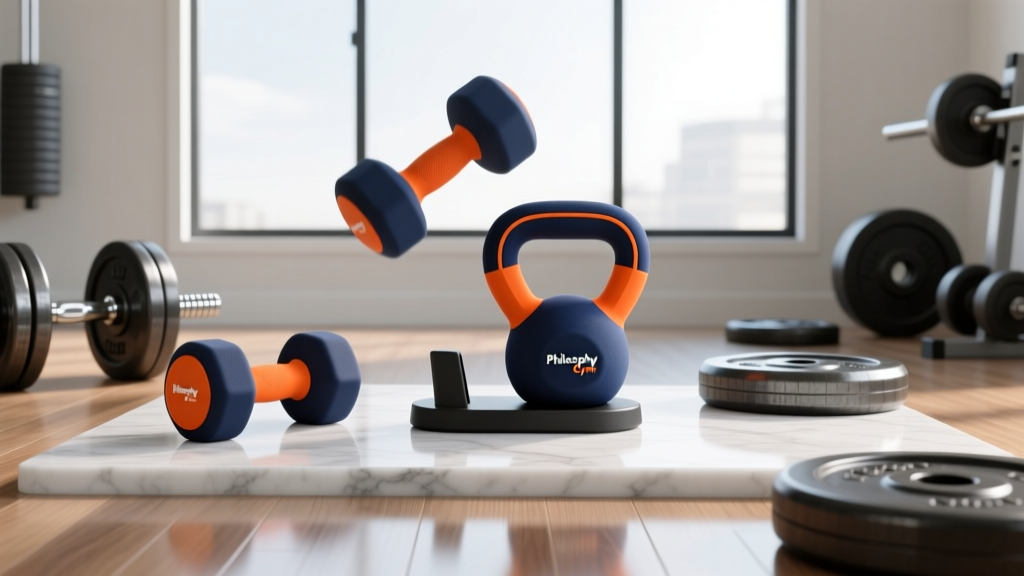
Philosophy Gym Neoprene Dumbbell Hand Weights With Stand vs Plates

Bumper vs Iron Plates: 2026 Trends & Dumbbell Shadow Boxing Rigs
