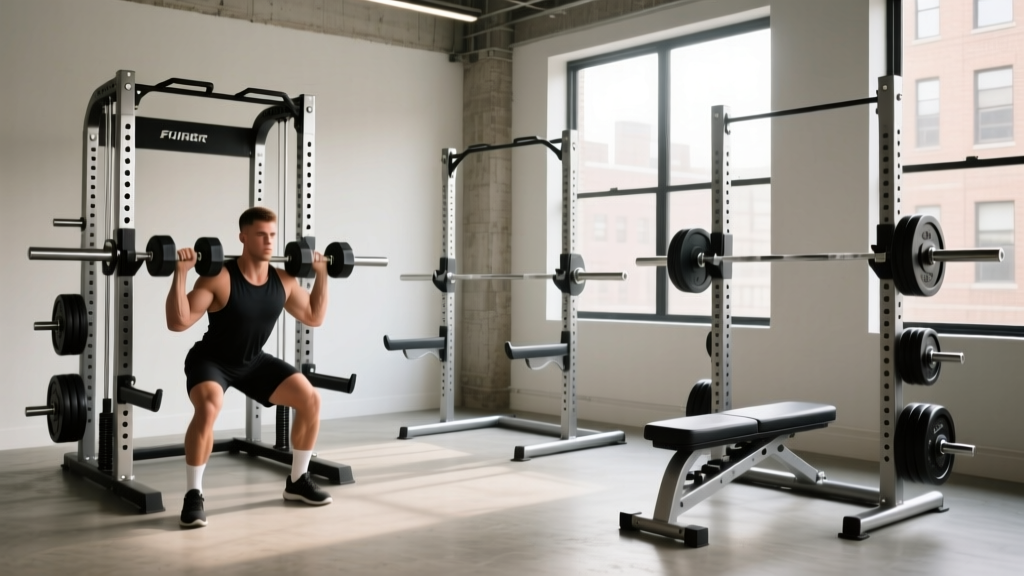
2026 Plate Market: Bumper vs Iron & Side Lunges with Dumbbells
Explore 2026 market trends comparing bumper vs iron plates. Learn how plate selection impacts barbell lifts and side lunges with dumbbells in home gyms.

The 2026 Free Weight Market Landscape
The home and commercial fitness equipment market has undergone a significant maturation phase by 2026. While the post-pandemic boom was characterized by panic-buying and supply chain shortages, the current landscape is defined by hyper-specialization and spatial economics. Consumers are no longer just buying 'weights'; they are curating highly specific ecosystems tailored to hybrid training methodologies. This shift has brought the bumper plate vs iron plate debate to the forefront of equipment market analysis. Buyers are now scrutinizing material density, drop-rating tolerances, and storage footprints with an analytical rigor previously reserved for commercial gym outfitters.
In this trend report, we analyze the material economics, supply chain pricing shifts, and spatial considerations of modern weight plates, examining how these heavy equipment choices inadvertently dictate the feasibility of functional accessory movements in constrained environments.
Material Economics: Bumper vs. Iron Plate Matrix
The fundamental divergence in the 2026 plate market lies in material composition and intended kinetic absorption. Below is a comparative matrix detailing the engineering specifications that drive consumer purchasing behavior this year.
| Attribute | Crumb Rubber Bumper | Virgin Rubber Bumper | Cast Iron / Machined Steel |
|---|---|---|---|
| Shore A Durometer | 80A - 85A (Soft) | 90A+ (Hard) | N/A (Rigid) |
| Avg. Cost Per Pound (2026) | $3.50 - $4.25 | $7.00 - $9.50 | $1.30 - $2.00 |
| Thickness (45lb Plate) | 3.2 inches (81mm) | 2.1 inches (53mm) | 1.3 inches (33mm) |
| Hub Tolerance | 50.4mm (Stainless Steel) | 50.6mm (Chrome) | 50.8mm (Standard) |
| Primary Market Segment | CrossFit / Garage Gyms | Olympic Weightlifting | Powerlifting / Bodybuilding |
Spatial Economics: Plate Thickness and Unilateral Accessory Work
One of the most critical, yet frequently overlooked, aspects of the bumper vs. iron plate market analysis is spatial economics. When outfitting a standard 10x10 or 12x12 home gym, the physical footprint of your weight storage directly impacts your usable workout area. This is where plate selection intersects with functional programming trends.
In 2026, trending athletic and hypertrophy programs heavily emphasize unilateral lower-body mobility and stabilization. Athletes are routinely pairing heavy barbell compounds (like deadlifts and squats) with high-volume, wide-stance accessory work, most notably side lunges with dumbbells. Executing lateral movements safely requires significant horizontal clearance—often up to 8 feet of unobstructed floor space depending on the user's height and stride length.
Market Insight: The Footprint PenaltyIf a consumer purchases a 500lb set of crumb rubber bumper plates, the cumulative thickness requires heavy-duty, wide-set plate storage trees or extensive rack-mounted plate horns. These bulky storage solutions often encroach on the lateral clearance needed to safely perform side lunges with dumbbells without striking a rack upright or weight tree. Conversely, the slim profile of cast iron plates allows for compact, vertical A-frame storage or shallow wall-mounted racks, preserving the open floor area essential for dynamic lateral movements.
Therefore, the market trend shows a distinct bifurcation: consumers dedicated to Olympic lifting and drop-heavy routines accept the spatial penalty of bumpers, while hybrid athletes prioritizing a mix of heavy static lifts and expansive dumbbell work are increasingly leaning toward machined iron or ultra-thin urethane plates to maximize their floor plan.
Supply Chain Realities and 2026 Pricing Tiers
Freight costs remain the silent dictator of the weight plate market. Because plates are high-density, low-margin commodities, shipping costs per ton heavily influence retail pricing. Based on current 2026 direct-to-consumer data, the market is segmented into three distinct tiers:
- Tier 1: Budget Cast Iron (Approx. $1.30 - $1.80/lb)
Dominated by brands like Titan Fitness Cast Iron Plates and CAP Barbell. These are high-volume, low-cost imports. They suffer from higher variance in weight calibration (often +/- 3%) and rougher cast finishes, but remain the undisputed kings of cost-efficiency for static lifting. - Tier 2: Mid-Range Crumb Rubber (Approx. $3.50 - $4.50/lb)
The Rogue Fitness Echo Bumper Plates define this tier. Made from recycled, vulcanized rubber crumbs, these plates offer excellent dead-bounce characteristics and high durability for repetitive dropping from overhead, making them the default choice for functional fitness affiliates. - Tier 3: Competition Virgin Rubber & Urethane (Approx. $8.00 - $12.00/lb)
Elite tiers like Eleiko Weightlifting Bumpers utilize virgin rubber or proprietary urethane blends. These offer IWF-certified weight tolerances (within +/- 10 grams), minimal bounce-back, and extreme longevity, but are priced out of reach for the average home gym owner.
Known Failure Modes and Edge Cases
As a domain expert reviewing equipment failure rates, it is vital to look beyond marketing claims and examine how these plates actually degrade in real-world environments.
- Steel Insert Blowouts (Bumper Plates): The most common catastrophic failure in mid-tier crumb rubber bumpers is the separation of the steel center hub from the rubber matrix. This occurs primarily due to 'asymmetric drop loading'—when a barbell is dropped unevenly, the torsional shear force rips the insert through the rubber. High-end 2026 models mitigate this with hooked or flanged steel inserts, but budget models remain highly susceptible.
- Oxidation and Pitting (Cast Iron): In non-climate-controlled garage gyms, cast iron plates are prone to severe oxidation. Unlike painted or powder-coated bumpers, raw or lightly enameled iron will pit and rust when exposed to ambient humidity fluctuations, degrading the aesthetic and potentially transferring rust to barbell sleeves.
- Bounce-Back Hazards (Low Durometer Rubber): Cheaper, low-durometer rubber plates (under 80A) exhibit a dangerous 'trampoline effect' when dropped from shoulder height. The kinetic energy is not absorbed but reflected, causing the barbell to violently bounce off the floor, posing a severe risk to the lifter's shins and grip integrity.
The FitGearPulse Buyer Decision Framework
To navigate the 2026 market, use this three-step decision matrix to align your plate purchase with your actual training reality.
Step 1: Audit Your Drop Profile
If your programming does not involve dropping the barbell from the shoulder or overhead (e.g., you primarily do controlled powerlifting, bodybuilding, or strongman work), do not buy bumper plates. You are paying a 200% premium for shock absorption you will never utilize. Invest in machined cast iron or steel plates.
Step 2: Measure Your Lateral Clearance
Map out your gym space. If your primary accessory work involves expansive, lateral movements like side lunges with dumbbells, Bulgarian split squats, or kettlebell swings, calculate the storage footprint. If a 6-plate vertical tree infringes on your 8-foot lateral swing radius, pivot to slim iron plates and wall-mounted vertical storage racks to reclaim your floor space.
Step 3: Evaluate Hub Tolerances
Check the manufacturer's stated hub diameter. A 50.8mm hub on a cast iron plate will slide easily onto a standard Olympic barbell sleeve (typically 50mm). However, some poorly manufactured rubber bumpers feature 50.2mm hubs that require immense physical force to load and unload, accelerating wear on your barbell's chrome or cerakote finish. Always verify hub tolerances before purchasing in bulk.
The smartest home gym builders in 2026 aren't just buying weights; they are buying floor space. Choosing slim iron plates over thick bumpers isn't just a financial decision—it's a spatial one that directly enables better execution of unilateral accessory movements.
More gear to consider
All reviews
Top Loadable Dumbbells for Dumbbell Step Ups for Glutes (2026)
Loadable Dumbbell Care for Your 15 Pound Dumbbell Workout

Power Rack vs Squat Stand: Setup & Bicep Curl Dumbbell Exercises

Olympic vs Standard Weight Plates & Cardio Exercises with Dumbbells

Budgeting a Chest Muscle Workout with Dumbbells: Hex vs Urethane