Elliptical vs Treadmill: Is 30 Minutes on Treadmill Enough to Lose Weight?
We compare elliptical vs treadmill longevity and answer if 30 minutes on a treadmill is enough to lose weight while preserving your machine's motor.

The Cardio Dilemma: Weight Loss Goals vs. Machine Longevity
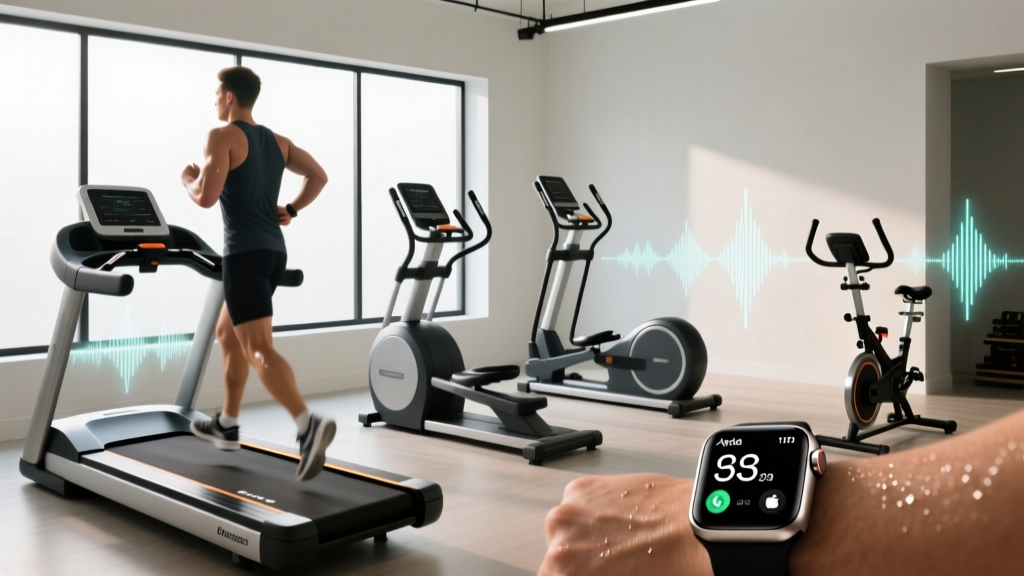
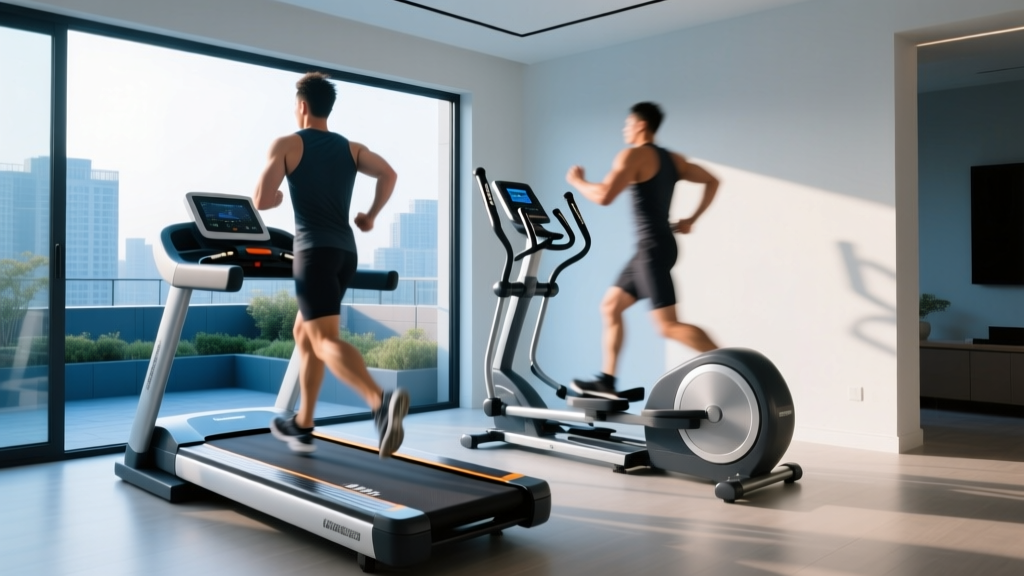
When outfitting a home gym, the debate between an elliptical and a treadmill is a classic one. Buyers are often driven by immediate fitness goals, frequently asking our experts: is 30 minutes on treadmill enough to lose weight? While the physiological answer is a resounding yes—provided you maintain a caloric deficit—the mechanical answer is far more complex. Your daily 30-minute sweat session doesn't just burn calories; it subjects your equipment to repetitive mechanical stress, thermal buildup, and structural fatigue.
In 2026, the home fitness market is saturated with machines boasting interactive screens and AI-driven coaching, but the core mechanics of belt friction and pivot-bearing wear remain unchanged. Choosing between an elliptical and a treadmill isn't just about joint impact; it is fundamentally a decision about long-term maintenance, cost of ownership, and mechanical longevity. This guide breaks down the caloric reality of your 30-minute workouts and contrasts the wear-and-tear profiles of both machines to help you protect your investment.
The Caloric Math: Is 30 Minutes on a Treadmill Enough to Lose Weight?
From a physiological standpoint, 30 minutes of moderate-to-vigorous cardiovascular exercise is highly effective for weight management. According to the American Heart Association, 150 minutes of moderate-intensity aerobic activity per week (easily achieved via five 30-minute sessions) is the gold standard for cardiovascular health and weight maintenance.
Data Highlight: The 30-Minute Caloric Burn
- Treadmill (6.0 mph, 0% incline, 180 lb user): ~340 calories
- Treadmill (3.5 mph, 10% incline, 180 lb user): ~315 calories
- Elliptical (Moderate resistance, 180 lb user): ~320 calories
Weight loss ultimately requires a sustained caloric deficit. As noted by the Mayo Clinic, combining 30 minutes of daily cardio with dietary modifications yields the most sustainable fat loss.
However, achieving this burn on a treadmill generates significant mechanical friction. When a 180-pound user runs at 6.0 mph, the treadmill's motor must continuously overcome the downward force and the friction between the belt and the deck. Over time, this daily 30-minute friction is the primary catalyst for treadmill degradation.
Mechanical Stress Test: Treadmill vs. Elliptical Wear Patterns
To understand which machine will survive a decade of daily 30-minute workouts, we must examine their failure modes. Treadmills and ellipticals operate on fundamentally different mechanical principles.
Treadmill Failure Modes: Friction and Thermal Overload
The treadmill is a high-friction environment. The primary point of failure is the Motor Control Board (MCB) and the drive motor. If you purchase a budget treadmill with a 2.5 HP (Horsepower) motor and run it daily for 30 minutes, the motor will consistently operate near its thermal limit. This heat degrades the internal windings and eventually fries the MCB. Furthermore, the walking belt acts as a giant friction pad. Without meticulous lubrication, the deck will warp, and the motor will draw excessive amperage to compensate for the drag, leading to catastrophic electrical failure.
Elliptical Failure Modes: Pivot Fatigue and Track Degradation
Ellipticals eliminate the belt-to-deck friction, relying instead on a flywheel and magnetic resistance. Because the user's weight is distributed across pedals and handles, the mechanical stress is transferred to the pivot joints, crank arms, and polyurethane track wheels. The most common failure mode in an elliptical is not the motor (which works much less than a treadmill motor), but rather the development of 'play' or wobble in the pedal arms due to worn bushings or loose crank bolts. Additionally, dust accumulation on the aluminum track rails can cause the polyurethane wheels to flatten and degrade, resulting in a bumpy, uneven stride.
The 2026 Longevity & Maintenance Matrix
Below is a comparative analysis of the expected lifespan, maintenance requirements, and common repair costs for high-end home cardio machines (e.g., Sole F80 Treadmill vs. Sole E95 Elliptical) based on a daily 30-minute usage protocol.
| Feature | High-End Treadmill (e.g., 4.0 CHP) | High-End Elliptical (e.g., Magnetic Resistance) |
|---|---|---|
| Expected Lifespan (Daily 30-min use) | 8 - 12 Years | 12 - 15+ Years |
| Primary Maintenance Task | Belt lubrication & tension adjustment | Joint tightening & track cleaning |
| Average Repair Cost (Out of Warranty) | $250 - $450 (Motor/MCB replacement) | $80 - $150 (Bushing/Bearing replacement) |
| Power Surge Vulnerability | High (Complex MCB and incline motors) | Low (Simpler magnetic control boards) |
| Environmental Sensitivity | High (Dust clogs motor fans; humidity warps decks) | Moderate (Dust ruins track wheels) |
Preventative Maintenance Protocols for Maximum Longevity
If you are committing to 30 minutes a day to achieve your weight loss goals, you must commit to the maintenance required to keep your machine alive. Here are the exact, actionable protocols for both machine types.
Treadmill Maintenance: Beating the Friction
- The Silicone Rule (Every 150 Miles): Never use WD-40 or petroleum-based lubricants. You must use 100% silicone treadmill lubricant. Lift the belt, apply a zigzag pattern of about 1 oz of silicone directly onto the wooden/composite deck, and run the machine at 3.0 mph for 5 minutes to distribute it. This single step reduces motor amp draw by up to 30%.
- Belt Tension Calibration (Bi-Annually): A belt that is too tight will destroy the front and rear roller bearings. You should be able to lift the edge of the belt 2 to 3 inches off the deck. If it's tighter, use a 6mm Allen wrench to loosen the rear roller bolts by a quarter-turn on each side.
- Motor Hood Vacuuming (Monthly): Treadmill motors rely on internal fans for cooling. Pet hair and dust are sucked directly into the motor housing, acting as thermal insulation. Unplug the machine, remove the plastic motor hood (usually 4-6 Phillips screws), and use a brush attachment to vacuum the motor fins and the MCB heat sink.
Elliptical Maintenance: Eliminating the Wobble
- Crank Arm Torque Check (Monthly): The downward force of your body weight during a 30-minute elliptical session places immense shear stress on the crank arms. Use a 14mm or 16mm hex socket (depending on your model) to ensure the main crank bolts are torqued to manufacturer specifications. A loose crank arm will strip the spindle threads, turning a $20 bolt into a $300 replacement part.
- Track and Wheel Sanitation (Weekly): Wipe down the aluminum extrusion rails with a damp microfiber cloth. Do not use chemical degreasers, as they will dry out the polyurethane wheels. If the wheels leave black streaks on the rail, they are degrading and need to be wiped with a mild soap solution.
- Pivot Joint Lubrication (Annually): Unlike treadmills, ellipticals use sealed bearings in the main joints. However, the secondary suspension links often feature grease zerks or require white lithium grease. Apply a small dab to the moving linkage points to prevent the squeaking that plagues older machines.
Expert Warning on Power Surges: Both treadmills and ellipticals feature sensitive control boards. In 2026, with increasingly volatile local power grids, plugging your cardio machine directly into a wall outlet is a risk. A $30 surge protector rated for at least 2000 Joules can save your $1,500 machine's motherboard from a localized grid spike.
Final Verdict: Choosing Your Long-Term Cardio Partner
So, is 30 minutes on a treadmill enough to lose weight? Absolutely. But if your primary concern is minimizing maintenance and maximizing mechanical longevity, the elliptical holds a distinct advantage. The absence of high-friction belt drag means elliptical motors run cooler, draw less amperage, and suffer fewer catastrophic thermal failures over a 10-year lifespan.
However, if you prefer the biomechanics of running and the superior bone-density benefits of a treadmill, you can easily achieve a 10+ year lifespan by investing in a machine with a minimum 3.5 CHP motor, adhering to a strict 150-mile silicone lubrication schedule, and keeping the motor compartment free of dust. Ultimately, the best machine for weight loss is the one you will use consistently—and maintain diligently—for years to come.
More gear to consider
All reviews
Under Desk Treadmill Review: Office Layout & Treadmill Power Cord
Walking Pad vs Treadmill: Mistakes During an Hour on the Treadmill

Building an Office with Treadmill: 2026 Walking Pad Guide

What Does Pace Mean on a Treadmill? Plus Cardio Noise Comparisons

Compact Cardio: 30 Min Treadmill Workout Alternatives