Elliptical vs High Interval Training Treadmill: Maintenance
Compare elliptical vs high interval training treadmill maintenance. Discover longevity tips, repair costs, and care routines for home cardio machines.

The Hidden Cost of Home Cardio: Maintenance Realities
When outfitting a home gym, most buyers focus on screen size, interactive programming, and footprint. However, the true differentiator between an elliptical and a high interval training treadmill emerges three to five years post-purchase. The debate of elliptical vs treadmill for home cardio isn't just about joint impact or calorie expenditure; it is fundamentally a question of mechanical longevity and maintenance willingness.
Cardio machines are subjected to immense kinetic forces, sweat corrosion, and electrical stress. A premium elliptical cross-trainer and a high-performance treadmill operate on entirely different mechanical principles. Understanding these differences is critical for protecting your investment, especially as modern 2025 and 2026 models integrate heavier flywheels, steeper incline motors, and more complex magnetic resistance systems.
⚠️ The Sweat Corrosion FactorHuman sweat is highly acidic and contains urea and chloride. According to biomechanical equipment studies, untreated sweat droplets can corrode untreated steel pivot points and degrade exposed PCB (printed circuit board) connections within just 14 months of daily use. Always use a microfiber towel with a 50/50 water and white vinegar solution after every session.
High Interval Training Treadmill Upkeep: Friction, Heat, and Electronics
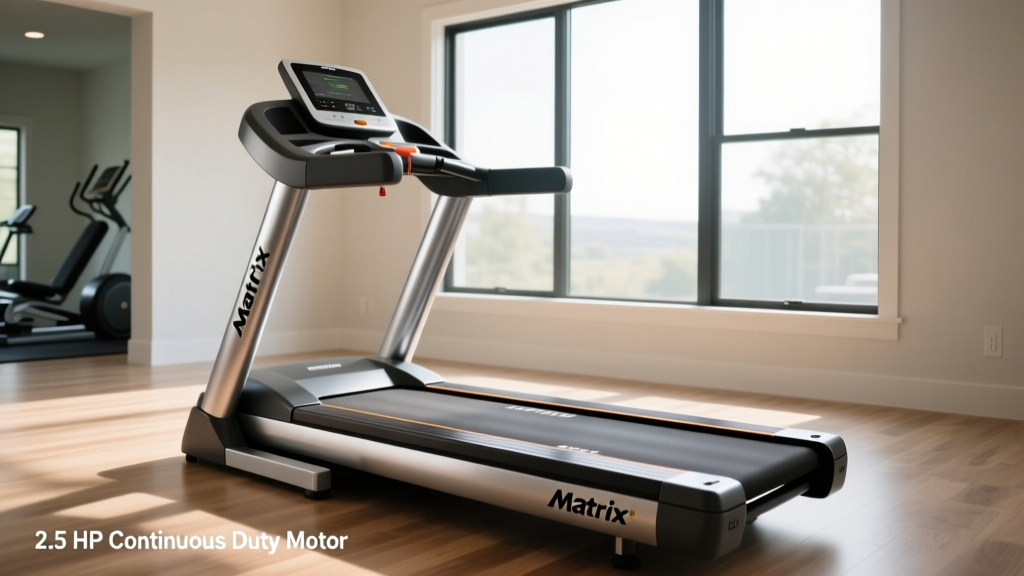
A high interval training treadmill (such as the NordicTrack X22i or the Sole F85) is engineered for rapid acceleration and steep incline shifts. During a HIIT session, the user demands sudden speed changes from 3.0 mph to 11.0 mph, followed by aggressive deceleration. This creates a unique maintenance profile centered around friction management and motor thermal throttling.
1. Belt Lubrication and Deck Friction
The most common cause of premature motor burnout in treadmills is a dry running belt. When the belt lacks proper lubrication, the coefficient of friction between the belt and the phenolic deck increases. The drive motor must then draw higher amperage to maintain speed, leading to overheating. For high interval training treadmills, this friction is magnified during the deceleration phases of interval workouts.
- The Paper Towel Test: Slide your hand under the belt. If your fingers don't come away slightly slick, it is time to lubricate.
- The Solution: Apply exactly 0.5 oz of 100% pure silicone treadmill lubricant (never use WD-40 or petroleum-based products, which destroy the belt backing) every 150 miles or every 3 months.
- Cost of Neglect: A replacement walking belt costs between $140 and $280, while a burnt-out drive motor replacement can exceed $650 including labor.
2. Incline Motor and Gearbox Stress
High-intensity interval routines often utilize maximum incline settings (15% to 40% on modern super-trainers). The incline motor uses a worm gear mechanism to lift the deck. If the machine is not calibrated or if the pivot hinges at the front of the deck dry out, the incline motor will strain and eventually strip its internal plastic gears. Applying white lithium grease to the deck lift hinges every 6 months is a non-negotiable longevity tactic.
Elliptical Cross-Trainers: Pivot Points, Bearings, and Drive Systems
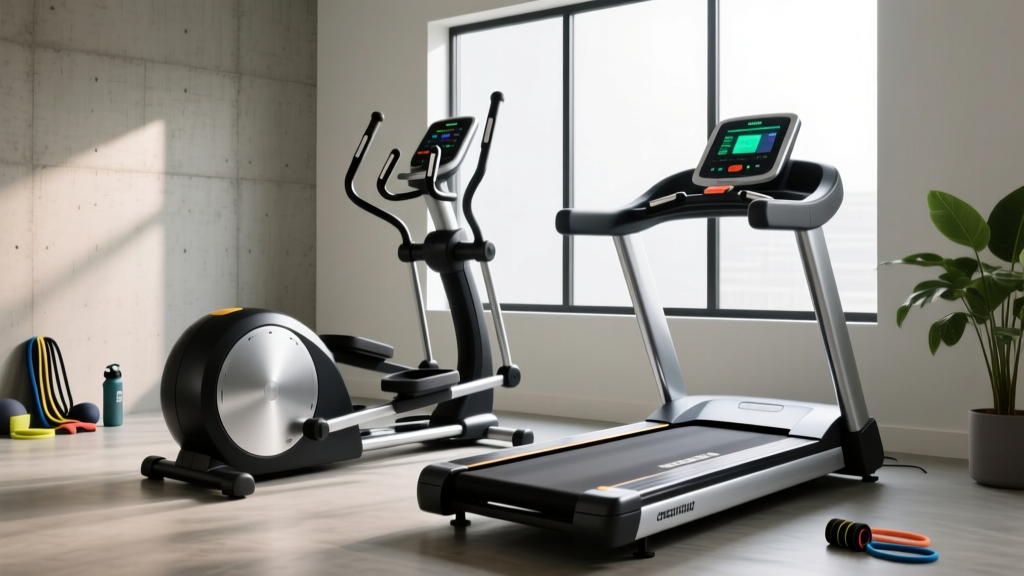
Ellipticals (like the Sole E95 or Bowflex Max Trainer M9) eliminate the impact friction of a treadmill belt but replace it with a complex web of pivot joints, polyurethane track wheels, and magnetic eddy-current resistance systems. The maintenance profile here is less about electrical heat and more about mechanical alignment and bearing degradation.
1. Track and Wheel Maintenance (Rear-Drive Systems)
On rear-drive ellipticals, the pedals roll on aluminum extrusion tracks via polyurethane wheels. In a home environment, dust, pet hair, and skin cells accumulate on these tracks. When the wheels roll over this debris, it embeds into the polyurethane, creating flat spots. This results in the dreaded 'knocking' or 'bumping' sensation during your stride.
- Wipe the aluminum tracks with a damp microfiber cloth weekly.
- Inspect the wheels for embedded debris; use a plastic scraper (never metal) to gently remove buildup.
- Do not lubricate the tracks. Lubricants attract dust and create an abrasive paste that destroys the wheel bearings.
2. Pivot Joint and Bearing Care (Front-Drive & Center-Drive)
Front-drive and center-drive ellipticals rely on heavy-duty ball bearings at the crank arms and pedal joints. Over time, the factory grease dries out, leading to metal-on-metal squeaking. Using a PTFE (Teflon) based dry lubricant on these pivot points every 4 months ensures silent operation without attracting household dust.
Head-to-Head Maintenance Matrix
To visualize the long-term ownership experience, here is a direct comparison of the maintenance requirements for both machine types when subjected to 4 to 5 hours of weekly use.
| Maintenance Metric | High Interval Training Treadmill | Premium Elliptical Cross-Trainer |
|---|---|---|
| Primary Wear Component | Walking Belt & Phenolic Deck | Track Wheels & Pivot Bearings |
| Routine Lubrication | 100% Silicone (Every 3 months) | PTFE Dry Lube on joints (Every 4 months) |
| Electrical Vulnerability | High (Drive motor, incline motor, PCB) | Low (Magnetic resistance is largely sealed) |
| Average 5-Year Repair Cost | $350 - $800 | $120 - $300 |
| Cleaning Focus | Motor hood dust vacuuming, belt alignment | Track wiping, sweat removal from handlebars |
Longevity Tactics: The 20-Amp Circuit Requirement
One of the most overlooked aspects of home cardio longevity is electrical infrastructure. Modern interactive cardio machines draw significant power, but a high interval training treadmill is uniquely demanding. When a 150-pound user sprints at 10 mph on a 15% incline, the continuous horsepower (CHP) motor can spike to draw upwards of 15 to 18 amps momentarily.
"Plugging a high-performance treadmill into a shared 15-amp household circuit with other devices is a primary cause of control board failure. The voltage drop during motor startup surges can corrupt the EEPROM memory on the machine's lower control board."
According to the CPSC Treadmill Safety Guidelines, ensuring proper electrical grounding and dedicated circuits is paramount not just for safety, but for machine survival. For any treadmill with a 4.0 CHP motor or higher, hiring an electrician to install a dedicated 20-amp circuit (typically costing $150 to $300) is the single best longevity investment you can make. Ellipticals, which use magnetic resistance and smaller drive motors, rarely exceed 10 amps and are generally safe on standard 15-amp shared circuits.
Environmental Controls: Humidity and Dust
Basements and garages are popular locations for home gyms, but they are hostile environments for cardio electronics. High humidity accelerates the oxidation of copper windings inside treadmill motors and elliptical alternators. Conversely, arid environments generate static electricity, which can discharge into the treadmill's console and fry the touch screen digitizer.
- Optimal Humidity: Maintain your home gym between 40% and 50% relative humidity using a dehumidifier or HVAC system.
- Static Prevention: Use an anti-static mat under your treadmill and ensure the machine is plugged into a high-quality surge protector with a minimum 2000-joule rating.
- Dust Mitigation: Vacuum the motor hood of your treadmill every 6 months. Dust acts as a thermal blanket, trapping heat inside the motor shroud and forcing the thermal cutoff switch to trip prematurely.
Verdict: Which Machine Survives the 10-Year Mark?
When evaluating the elliptical vs treadmill for home cardio strictly through the lens of maintenance and longevity, the elliptical cross-trainer holds a distinct mechanical advantage. With fewer high-friction wear parts, no continuous belt-to-deck rubbing, and lower electrical draw, a premium elliptical can easily surpass the 10-year mark with basic joint lubrication and track cleaning.
However, this does not mean you should avoid the treadmill. If your fitness goals demand the biomechanical specificity of running, a high interval training treadmill is irreplaceable. The trade-off is a stricter maintenance contract with yourself: religious silicone lubrication, dedicated electrical circuits, and proactive motor hood cleaning. As noted by exercise physiologists outlining the benefits of interval training protocols, the cardiovascular ROI of HIIT is immense. By respecting the mechanical realities of the equipment you use to achieve those results, you ensure the machine survives long enough to help you reach your long-term health milestones.
More gear to consider
All reviews
Curved vs Motorized: Is a Horizon Evolve SG Treadmill Right?

Stationary Bike Types & Sunny Treadmill SF-T4400 Manual Guide
Assault vs Air Bike Care: What Muscles Does Incline Treadmill Work?

Curved vs Motorized Treadmills: Troubleshooting a Frayed Treadmill Belt
Stair Climber Setup: Ending the Row Machine vs Treadmill Debate