How Heavy Are the Dumbbells You Lift? Form Over Fitness Video Hype
Wondering how heavy your dumbbells should be? Learn to select the right weight, prioritize form, and upgrade to Olympic vs standard plates.

When browsing fitness motivation videos and gym aesthetic content online, it is easy to get caught up in the hype and ask yourself: how heavy are the dumbbells you lift? Influencers often hoist massive weights for the camera, but chasing arbitrary numbers without a structured plan is a fast track to injury. True strength is built on progressive overload, impeccable form, and eventually, transitioning to barbell training when dumbbells are no longer sufficient.
This beginner-friendly, step-by-step guide will first help you determine your ideal dumbbell weight based on real physiological markers—not internet trends. Then, we will walk you through the inevitable next step in your fitness journey: upgrading to weight plates, specifically breaking down the crucial decision between Olympic vs. standard weight plates for your home gym setup in 2026.
Step 1: Determining Your True Dumbbell Starting Weight
Before you buy a rack of dumbbells, you need to understand Rate of Perceived Exertion (RPE). The National Strength and Conditioning Association (NSCA) emphasizes that weight selection should be dictated by your specific rep range and proximity to muscular failure, not by what looks impressive on video.
💡 The RPE Rule of Thumb:Aim for an RPE of 7 to 8 out of 10. This means if your program calls for 3 sets of 10 reps, you should select a dumbbell weight where you could physically complete 12 or 13 reps with perfect form, but you stop at 10. If you can easily do 15 reps, the weight is too light. If your form breaks down at rep 8, it is too heavy.
Practical Weight Selection by Goal
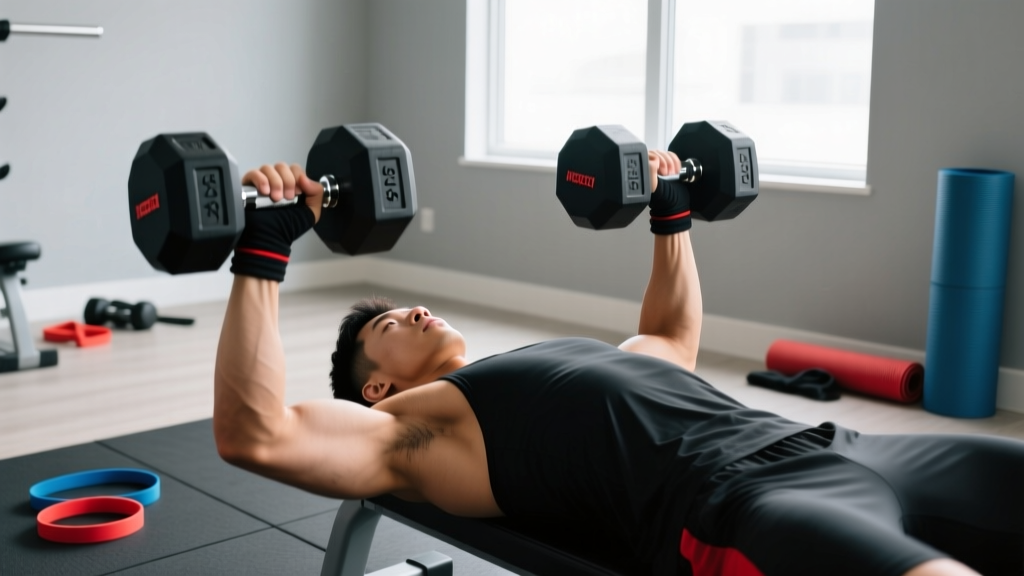
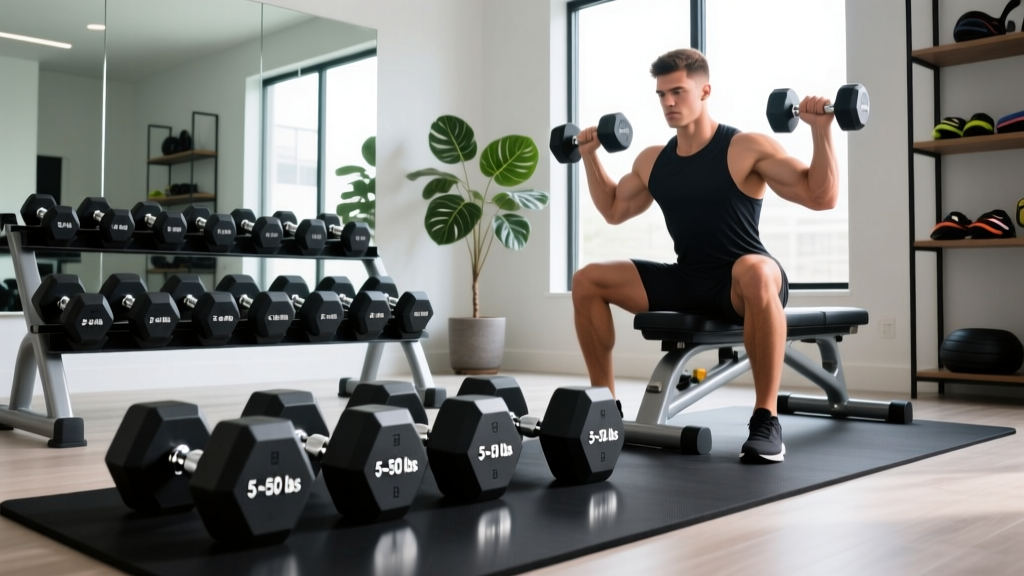
- Hypertrophy (Muscle Growth): 8-12 reps. Choose a weight that feels heavy by rep 10. (e.g., 25-40 lb dumbbells for chest presses for an intermediate beginner).
- Strength: 3-6 reps. Choose a weight that forces you to grind through the final rep. (e.g., 50-70 lb dumbbells).
- Endurance: 15-20 reps. Lighter weights, focusing on time under tension and minimal rest.
Step 2: Recognizing the Dumbbell Ceiling
Dumbbells are incredible for fixing muscle imbalances and increasing range of motion. However, they have a practical ceiling. Most commercial gyms cap their dumbbell racks at 100 to 120 lbs. Once you can dumbbell bench press 80 lb weights for sets of 10, or goblet squat a 100 lb dumbbell, you have outgrown the equipment. Loading and unloading heavy dumbbells becomes cumbersome, and the physical footprint of the weights limits your movement.
This is the exact moment you must transition to a barbell and weight plates. But before you buy a bar, you must understand the two dominant sizing standards in the fitness industry.
Step 3: Olympic vs. Standard Weight Plates — The Ultimate Showdown
The most common beginner mistake when building a home gym is buying cheap 'standard' equipment without realizing its long-term limitations. Here is the fundamental difference:
Standard Plates feature a 1-inch (25.4mm) center hole and fit on smaller, often threaded spin-lock barbells.
Olympic Plates feature a 2-inch (50.6mm) center hole and fit on heavy-duty, 7-foot Olympic barbells with rotating sleeves.
Head-to-Head Comparison Matrix (2026 Market Data)
| Feature | Standard Plates (1-Inch) | Olympic Plates (2-Inch) |
|---|---|---|
| Bar Compatibility | Cheap spin-lock bars, 1-inch dumbbell handles | 7ft Olympic bars, specialty bars, modern plate-loaded machines |
| Max Weight Capacity | Typically 200 - 300 lbs (bar bends under heavy load) | 500 - 1,500+ lbs (commercial grade steel) |
| Plate Materials | Cast iron, cement/vinyl filled | Cast iron, steel, virgin rubber bumpers, crumb rubber |
| Average Price Per Pound | $0.90 - $1.30 / lb | $1.60 - $4.50 / lb (depending on material) |
| Resale Value | Very low (hard to sell used) | High (holds value exceptionally well) |
Step 4: Choosing Your Olympic Plate Material
Once you commit to the 2-inch Olympic standard (which ACE Fitness and most professional strength coaches universally recommend for home gyms), you must choose your material. In 2026, the market is dominated by two main types:
1. Cast Iron Plates (The Traditionalist Choice)
Machined or unmachined cast iron plates are the most cost-effective way to load a barbell. They are thin, allowing you to fit more weight on the sleeve (crucial for heavy deadlifters). Brands like CAP Barbell or Rogue Machined Iron offer excellent durability. Expect to pay around $1.60 to $2.20 per pound. The downside? They are incredibly loud when dropped and will damage standard flooring.
2. Bumper Plates (The Modern Standard)
Bumper plates are solid rubber with a steel insert. They are all the same diameter (450mm / 17.7 inches) regardless of weight, meaning you can safely drop the bar from overhead without snapping the smaller plates.
- Crumb Rubber (Recycled): Cheaper ($2.00 - $2.50/lb), thicker, smells like tires initially. Great for garage gyms. (e.g., Titan Fitness Echo Bumpers).
- Virgin Rubber: More expensive ($3.50 - $5.00/lb), thinner, denser, and has minimal bounce. Essential for competitive weightlifting platforms. (e.g., Rogue Echo Bumpers).
Step 5: Building Your First Home Gym Plate Setup
Do not buy a massive 300 lb set right away. Build your collection based on micro-progression. Here is the ideal beginner-to-intermediate Olympic plate shopping list:
- Two 45 lb (20kg) plates: Your foundational weight for bench and squats.
- Two 25 lb (10kg) plates: For bridging the gap between the empty bar (45 lbs) and your 45s.
- Two 10 lb (5kg) plates: Essential for overhead pressing, where jumps in weight are harder.
- Four 5 lb (2.5kg) plates: The secret to consistent progressive overload. Adding 5 lbs to a lift is sustainable; adding 10 lbs often leads to stalled progress.
- Two 2.5 lb (1.25kg) fraction plates: For micro-loading when you hit a plateau on strict isolation movements.
Total Setup Cost Estimate (Cast Iron): ~$250 - $320 (excluding the barbell and rack).
Frequently Asked Questions (FAQ)
Can I use Olympic plates on a standard barbell?
No. Olympic plates have a 2-inch hole, and standard barbells have 1-inch sleeves. The plates will simply slide off. However, you can buy cheap plastic 'adapter sleeves' that slip over a 1-inch bar to make it 2 inches thick, though this is not recommended for heavy lifting due to safety concerns.
Why do some dumbbells feel heavier than others at the same weight?
This comes down to the physical footprint and grip thickness. A 40 lb urethane-coated commercial dumbbell has a different center of gravity and handle diameter compared to a 40 lb adjustable spin-lock dumbbell. Furthermore, if you are fatigued from watching fitness influencers and attempting to lift beyond your current RPE, your central nervous system will perceive the weight as significantly heavier. Stick to your programmed rep ranges.
Are 'standard' cement-filled vinyl plates worth buying?
Avoid them. Cement-filled plates are incredibly bulky. A 25 lb cement plate is often the same physical size as a 45 lb cast iron plate. This means you will run out of physical space on the barbell sleeve before you reach your target weight. Always buy solid iron or rubber.
Final Thoughts: Progress Over Aesthetics
When you ask yourself how heavy the dumbbells you lift should be, the answer is always: heavy enough to stimulate adaptation, but light enough to maintain perfect mechanical form. Once dumbbells can no longer provide that stimulus efficiently, transitioning to an Olympic barbell and plate setup is the smartest investment you can make for your long-term strength journey. Ignore the internet hype, respect the physics of progressive overload, and build a home gym setup that will last a lifetime.
More gear to consider
All reviews
Best Adjustable Dumbbells for Boxing Exercises (2026)

Dumbbell Floor Press vs Dumbbell Bench Press: Top Adjustable Picks

2026 Adjustable Dumbbell Review & Single Dumbbell Exercises Chart

Troubleshooting Dumbbell Bicep Curl Variations With Neoprene Weights

Power Rack vs Squat Rack vs Stand: Dumbbells & Cholinergic Fatigue