
Lying Down Dumbbell Press: Rubber vs Urethane Maintenance
Discover how to maintain rubber hex and urethane dumbbells for the lying down dumbbell press. Expert care tips, failure modes, and longevity tricks.

The Biomechanical Toll of the Lying Down Dumbbell Press on Free Weights
The lying down dumbbell press—whether performed as a floor press to isolate the triceps and lockout strength, or as a traditional bench press for chest hypertrophy—is a foundational movement in any strength program. However, from an equipment longevity perspective, this specific exercise is uniquely punishing on your free weights. Unlike standing movements where weights are carefully racked, the lying down dumbbell press frequently ends with the athlete dropping the dumbbells from a height of 12 to 24 inches onto rubber mats, wooden platforms, or even bare concrete.
Furthermore, the supine position of the athlete creates a direct 'sweat drip zone.' Saline-heavy perspiration falls directly onto the knurling, the handle seams, and the inner steel cores of the dumbbells. When you factor in the repeated impact of post-set drops, the material composition of your dumbbells dictates their lifespan. In 2026, the debate between rubber hex dumbbells and urethane dumbbells remains central to home gym and commercial facility purchasing decisions. Understanding how to maintain each material under the specific stresses of the lying down dumbbell press is critical for protecting your investment.
Material Matrix: Rubber Hex vs. Urethane Dumbbells
Before diving into maintenance protocols, it is essential to understand the polymer science that separates these two common dumbbell coatings. According to comprehensive equipment analyses by BarBend, the molecular structure of urethane offers vastly superior resistance to environmental stressors compared to traditional vulcanized rubber.
| Feature | Rubber Hex Dumbbells | Urethane Dumbbells |
|---|---|---|
| Average 2026 Cost | $1.50 - $2.20 / lb | $3.50 - $5.00 / lb |
| Durometer (Hardness) | 65A - 75A (Softer, compressible) | 85A - 92A (Dense, rigid) |
| Drop Tolerance (Floor Press) | Low (Edges chip and tear) | High (Absorbs and disperses shock) |
| Sweat & UV Resistance | Moderate (Degrades over time) | Exceptional (Virtually impervious) |
| Odor Off-Gassing | High (Requires extensive airing out) | None (Odorless) |
Urethane Dumbbell Longevity Protocol
Urethane dumbbells, such as the premium lines offered by Rogue Fitness or Eleiko, are the gold standard for high-volume pressing routines. Because urethane is highly resistant to the saline corrosion caused by heavy sweating during the lying down dumbbell press, your maintenance routine should focus primarily on cosmetic preservation and knurling care.
Step-by-Step Urethane Cleaning Routine
- Immediate Post-Set Wipe: Keep a dry microfiber towel on your bench. Immediately after completing your lying down dumbbell press sets, wipe the handles to remove sweat before it can settle into the knurling grooves.
- Weekly Deep Clean: Use a specialized gym wipe or a solution of Simple Green diluted at a 10:1 ratio with water. Spray the solution onto a cloth—never directly onto the dumbbell—to prevent liquid from seeping into the seam where the urethane head meets the steel handle.
- Knurling Brush Out: Once a month, use a nylon-bristle brush to scrub the handle knurling. Accumulated dead skin and chalk from pressing movements will pack into the grooves, leading to surface rust on the steel core.
- Urethane Head Polishing: If the urethane heads develop scuff marks from rubbing against bench pads, a mild melamine sponge (like a Magic Eraser) lightly dampened with water will lift the marks without degrading the polymer surface.
Rubber Hex Care and Known Failure Modes
Rubber hex dumbbells remain the most popular choice for budget-conscious home gyms. However, the 'hex' shape creates distinct structural vulnerabilities, particularly when performing the lying down dumbbell press on the floor. When an athlete finishes a heavy floor press set and drops the weights, the impact is concentrated entirely on the sharp corners of the hexagon.
Preventing Edge Delamination
The most common failure mode for rubber hex dumbbells is edge delamination. The vulcanized rubber is molded around a steel core, and repeated blunt-force trauma from floor presses causes the rubber to pull away from the internal steel plate. To mitigate this:
- Use High-Density Drop Pads: If you regularly perform lying down dumbbell floor presses, invest in 3/4-inch thick horse stall mats or specialized crash pads. Dropping rubber hex weights onto thin PVC tiles or bare concrete will shatter the rubber edges within months.
- Control the Eccentric and Release: Train athletes to bring the dumbbells to their thighs before dropping them to the floor, rather than letting them fall from chest height. This reduces the kinetic energy the rubber edges must absorb by over 60%.
Combating Rubber 'Dry Rot' and Stickiness
Over time, the plasticizers in cheap rubber begin to leach out, especially when exposed to the UV radiation from garage gym windows or the ozone generated by nearby treadmills. This results in a sticky, tar-like residue on the dumbbell heads.
'If your rubber dumbbells become sticky, do not use degreasers. Instead, wipe them down with a light application of mineral oil or a dedicated rubber protectant like 303 Aerospace Protectant. This rehydrates the surface polymers and halts the degradation process.' — Equipment Maintenance Guidelines, Rogue Fitness
Sweat Corrosion and the Seam Vulnerability
Regardless of whether you choose rubber or urethane, the Achilles heel of any coated dumbbell is the seam where the handle enters the head. During the lying down dumbbell press, gravity pulls sweat directly down the handle and into this microscopic gap. Once saline moisture breaches this seal, the internal steel core begins to oxidize. As rust forms, it expands, eventually cracking the rubber or urethane from the inside out.
Preventative Action: After heavy, high-rep floor press or bench press sessions, use a can of compressed air or a low-PSI air compressor to blow out the seams. Follow this by applying a microscopic drop of 3-in-One oil or a dry PTFE lubricant to the seam. This displaces any trapped moisture and creates a hydrophobic barrier against future sweat intrusion.
Troubleshooting Common Press-Related Damage
Even with meticulous care, the heavy loads associated with the lying down dumbbell press can cause mechanical wear. Here is how to troubleshoot and repair the most frequent issues:
1. Loose or Rattling Heads
Repeated dropping causes the internal threading or friction welds to loosen. If you hear a rattle or feel the head shifting during a heavy press, stop using the dumbbell immediately to prevent the head from snapping off mid-rep.
The Fix: If the dumbbell uses a bolt-through design (common in older or specialty models), tighten the hex bolt and apply a medium-strength threadlocker like Loctite 242 (Blue). For friction-welded commercial dumbbells, the handle must be professionally re-pressed or retired.
2. Sliced Urethane Coatings
While urethane survives blunt drops beautifully, it is highly susceptible to shear cuts. If you drop a urethane dumbbell onto the sharp edge of a metal bench frame or a concrete curb while setting up for a lying down press, it can slice the coating.
The Fix: Small slices can be sealed using a flexible, clear marine-grade polyurethane adhesive (such as 3M Marine Adhesive Sealant 5200) to prevent moisture from entering the core. Large structural slices require manufacturer warranty replacement.
3. Rusted Knurling
Sweat from the supine pressing position pools in the center of the handle.
The Fix: Use a brass wire brush (never steel, which will embed particles and cause worse rust) to scrub away surface oxidation. Wipe clean, then apply a light coat of mineral oil to the knurling to restore corrosion resistance.
Expert Verdict: Which Survives the Press Better?
When evaluating equipment strictly through the lens of the lying down dumbbell press and its associated maintenance requirements, urethane dumbbells are the undisputed winner for longevity. While the upfront cost in 2026 remains roughly double that of rubber hex models, urethane's resistance to sweat corrosion, edge chipping from floor drops, and UV degradation means it will easily outlast rubber by a factor of three to one in a heavy-use environment.
However, if budget constraints dictate the purchase of rubber hex dumbbells, their lifespan can be significantly extended by enforcing strict 'no-drop' rules during floor presses, utilizing high-density drop mats, and implementing a rigorous weekly seam-cleaning protocol to fight saline corrosion. By matching your maintenance routine to the specific polymer science of your gear, you ensure your dumbbells remain safe, hygienic, and structurally sound for years of heavy pressing.
More gear to consider
All reviews
Best Neoprene Coated & Neutral Grip Dumbbell Guide 2026

Barbell Knurling Mistakes & Dumbbell Push Ups Benefits Explained
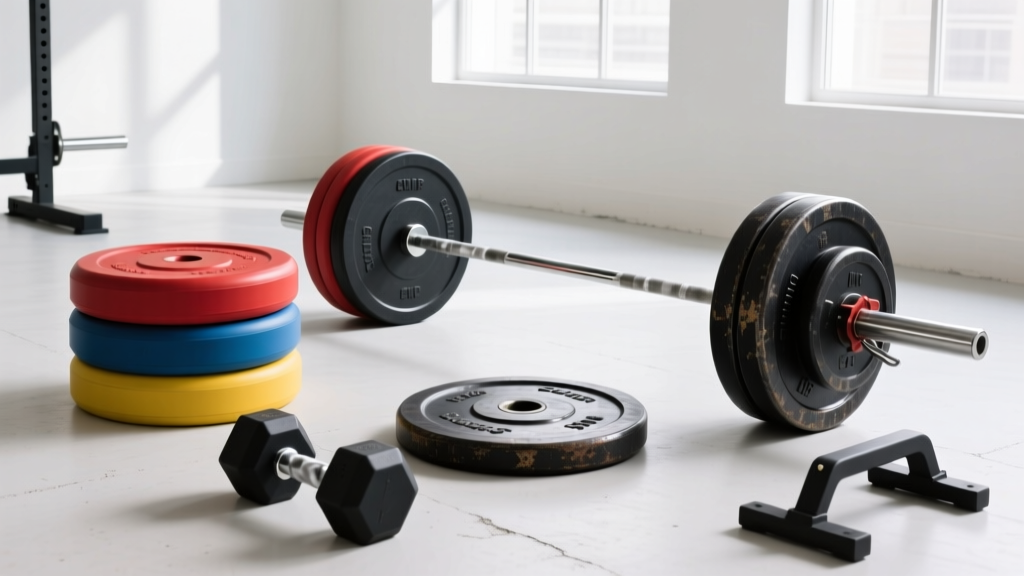
Bumper vs Iron Plates: Budgeting for Deadlifts & Dumbbell Pull Overs

Dumbbell Thrusters Muscles Worked: Cast Iron vs Competition Kettlebell

Barbell Setup: Knurling & How Much Does the Golden Dumbbell Weight?
