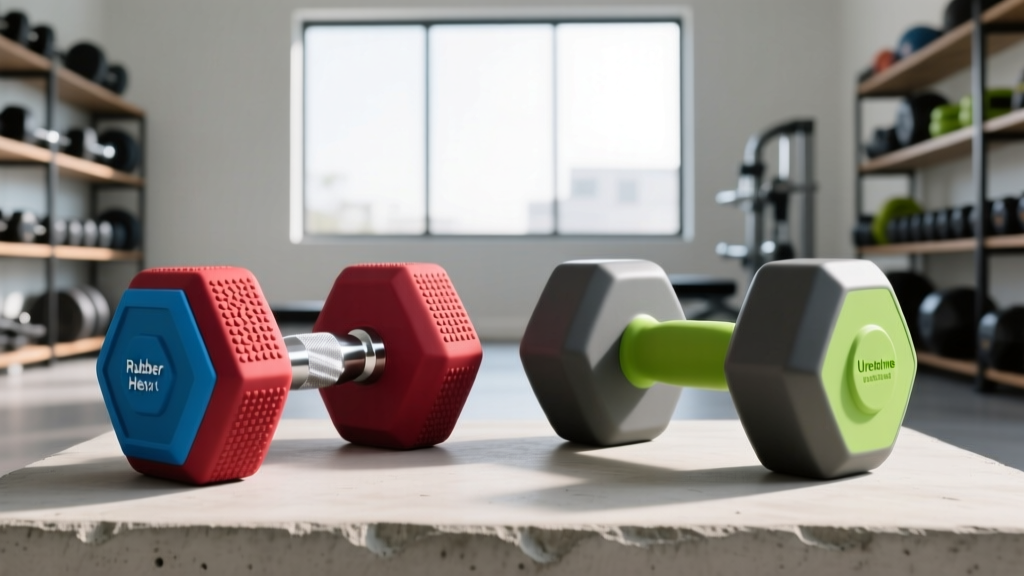
Rubber Hex vs Urethane: 2026 Dumbbell Press Out Trends
Analyze 2026 market trends comparing rubber hex and urethane dumbbells for the dumbbell press out. Discover durability, cost, and gym flooring impacts.

The Biomechanics and Equipment Stress of the Dumbbell Press Out
In the landscape of commercial and high-end home gym equipment, material science dictates longevity. As we analyze free weight market trends in 2026, a critical focal point for equipment managers and serious lifters is the dumbbell press out. The press out—the terminal lockout phase of a dumbbell bench press, shoulder press, or incline press—represents a unique biomechanical and mechanical stress test for free weights. During a heavy dumbbell press out, athletes frequently bring the medial edges of the dumbbells together to achieve peak pectoral or deltoid contraction. This deliberate collision, combined with the rapid deceleration required to stabilize the load at full extension, generates localized impact forces that can exceed 400 lbs of sheer stress on the dumbbell head and collar junction.
Furthermore, the eccentric lowering phase immediately following the press out, or the all-too-common practice of dropping the weights from the lockout position, tests the tensile strength and bounce coefficient of the outer coating. In 2026, the market is heavily segmented between two dominant materials: traditional rubber hex dumbbells and premium urethane dumbbells. Understanding how these materials respond to the rigors of the dumbbell press out is essential for optimizing gym budgets, ensuring athlete safety, and minimizing equipment replacement cycles.
Rubber Hex Dumbbells: Market Share and Failure Modes
Rubber-coated hex dumbbells have historically dominated the mid-tier commercial and home gym market. Brands like Rep Fitness and Titan Fitness have popularized this design, offering a cost-effective entry point for gym owners. In 2026, the average market price for virgin rubber hex dumbbells hovers between $1.60 and $2.40 per pound, making them an attractive option for bulk purchasing.
Material Composition and the Press Out Collision
Most rubber hex dumbbells are manufactured using a blend of natural and synthetic rubber, vulcanized and molded around a cast iron or steel core. The durometer rating (hardness) typically sits between 70A and 75A on the Shore A scale. While this provides adequate floor protection during drops, it presents specific vulnerabilities during the dumbbell press out:
- Medial Edge Shearing: When lifters clash the dumbbells at the top of a press out, the relatively soft rubber can pinch and tear over time, leading to ugly cosmetic divots and eventual exposure of the iron core.
- Collar Separation: The abrupt deceleration at the lockout phase sends shockwaves down the handle. In lower-tier rubber hex models where the handle is friction-pressed or poorly welded into the rubberized head, repetitive press outs can cause the head to loosen or rattle.
- Hex Corner Degradation: If a lifter drops the dumbbell from the press out position, the hexagonal corners take the brunt of the impact. Rubber lacks the high-density rebound absorption of polyurethane, causing the sharp hex edges to chip or flatten after 12 to 18 months of heavy commercial use.
Urethane Dumbbells: The Premium Shift in 2026
As gym owners prioritize long-term ROI and acoustic management, 2026 has seen a massive migration toward urethane dumbbells. Urethane (polyurethane elastomer) is a highly engineered polymer that offers superior resistance to abrasion, impact, and environmental degradation. Premium manufacturers like Rogue Fitness and Eleiko utilize high-grade urethane that boasts a Shore A durometer rating of 85A to 95A.
Why Urethane Excels During the Press Out
The physical properties of urethane make it uniquely suited to withstand the violent mechanics of heavy pressing movements. Priced between $3.80 and $6.50 per pound, urethane is a significant capital expenditure, but its performance during the dumbbell press out justifies the premium:
- Impact Absorption Without Deformation: When dumbbells are clinked together at the peak of a press out, urethane absorbs the high-frequency kinetic energy without tearing or gouging. The material memory ensures it returns to its exact original shape instantly.
- Acoustic Dampening: The 'clack' of iron or hard plastic during a press out is replaced by a dull, satisfying 'thud' with urethane. This drastically reduces noise pollution in commercial gyms and apartment home gyms.
- Low Bounce Coefficient: If a lifter dumps the weights after a grueling set of press outs, urethane's high density and low elasticity mean the dumbbells hit the floor and stay put. Rubber hex dumbbells, conversely, can bounce unpredictably, posing a severe hazard to the lifter's feet or nearby equipment.
'The shift toward urethane in 2026 is not just about aesthetics; it is a fundamental recognition of material fatigue. The repetitive micro-impacts of the dumbbell press out destroy standard rubber at the molecular level over time, whereas urethane's cross-linked polymer chains remain virtually impervious to sheer stress.' — Industrial Equipment Analysis, Fitness Sector Report 2025-2026
Comparative Data Matrix: Rubber Hex vs. Urethane
To provide a clear decision-making framework for gym owners and home gym enthusiasts, the following matrix breaks down the empirical differences between the two materials, specifically contextualized for high-volume pressing environments.
| Metric | Rubber Hex Dumbbells | Urethane Dumbbells |
|---|---|---|
| Average Cost (2026) | $1.60 - $2.40 / lb | $3.80 - $6.50 / lb |
| Shore A Hardness | 70A - 75A (Softer) | 85A - 95A (Denser) |
| Press Out Collision Durability | Low (Prone to tearing/gouging) | Exceptional (Resists sheer force) |
| Drop Bounce Factor | High (Safety hazard) | Very Low (Dead drop) |
| Odor / Off-Gassing | High (Sulfur/VOCs initially) | Zero (Odorless) |
| UV & Ozone Resistance | Poor (Degrades in sunlight) | Excellent (Outdoor capable) |
| Expected Commercial Lifespan | 1.5 - 3 Years | 7 - 10+ Years |
Real-World Edge Cases: When the Press Out Goes Wrong
Equipment testing in 2026 must account for user error and extreme edge cases. The most catastrophic failure mode for any dumbbell occurs when a lifter fails a heavy set at the top of the press out and is forced to dump the weights laterally or drop them from a height of 4 to 5 feet onto standard 3/4-inch rubber horse stall mats.
The Temperature Variable
One often overlooked factor in material durability is ambient temperature. For garage gym owners in regions with severe winters, the dumbbell press out presents a unique thermal challenge. Standard rubber hex dumbbells become brittle when temperatures drop below 40°F (4°C). A heavy press out collision or a drop onto a cold concrete subfloor can cause the rubber to literally shatter or crack along the mold lines. Urethane, however, maintains its elastomeric properties and structural integrity in temperatures as low as -20°F (-28°C), making it the undisputed choice for unclimate-controlled environments.
Warning on Handle Ergonomics: While the head material dictates impact survival, the handle design dictates press out stability. In 2026, ergonomic handles with a 30mm to 34mm diameter and aggressive chrome or Cerakote knurling are standard. Avoid urethane dumbbells with smooth, unknurled handles; the sweat generated during high-rep press outs will compromise your grip, leading to dangerous drops regardless of the head's durability.The 2026 Purchasing Framework for Gym Owners
Based on current market analysis and the physical demands of the dumbbell press out, fitness facility managers should adopt the following tiered purchasing strategy, a methodology frequently endorsed by strength and conditioning resources like BarBend's equipment certification guidelines:
Tier 1: The Budget-Conscious Home Gym (Low Volume)
If the dumbbells will be used by 1-3 people, and the lifter practices controlled eccentrics rather than dropping the weights from the press out, virgin rubber hex dumbbells remain a viable choice. The cost savings can be reallocated toward an adjustable bench or premium flooring. Ensure you purchase 'virgin' rubber to avoid the toxic off-gassing associated with recycled tire rubber.
Tier 2: The Boutique Studio and CrossFit Box (Medium Volume)
For facilities where dumbbells are used in high-rep metabolic conditioning and athletes frequently clash or drop weights from the press out position, urethane is mandatory. The initial 3x cost premium is recouped within 24 months by eliminating the need to replace chipped, rattling, and aesthetically degraded rubber hex sets.
Tier 3: Elite Commercial and Athletic Performance Centers
Top-tier facilities in 2026 are exclusively stocking precision-machined urethane dumbbells with forged steel handles. The focus here is on athlete safety (zero bounce on drops), acoustic control, and brand prestige. The indestructible nature of urethane during heavy press out lockouts ensures the equipment remains pristine for a decade or more.
Final Synthesis
The dumbbell press out is more than just a phase of a lift; it is the ultimate stress test for free weight engineering. As the fitness industry moves through 2026, the data overwhelmingly supports a transition away from traditional rubber hex dumbbells in high-use environments. While rubber hex models retain a foothold in budget-restricted, low-volume scenarios, urethane's superior Shore A density, impact absorption, and zero-bounce safety profile make it the definitive standard for anyone serious about pressing heavy, pressing safely, and protecting their long-term equipment investment.
More gear to consider
All reviews
Chest Fly Dumbbell Alternative: Adjustable Dumbbell Mistakes & Fixes
Bumper vs Iron Plates: Gym Layout & Dumbbell Front Shoulder Press

2026 Market Trend: Standing Row Dumbbells & Loadable Plate Systems
Bumper vs Iron Plates: Care for an Upper Pec Dumbbell Workout
Olympic Barbell Setup and Side Dumbbell Curls: Full Gym Walkthrough
