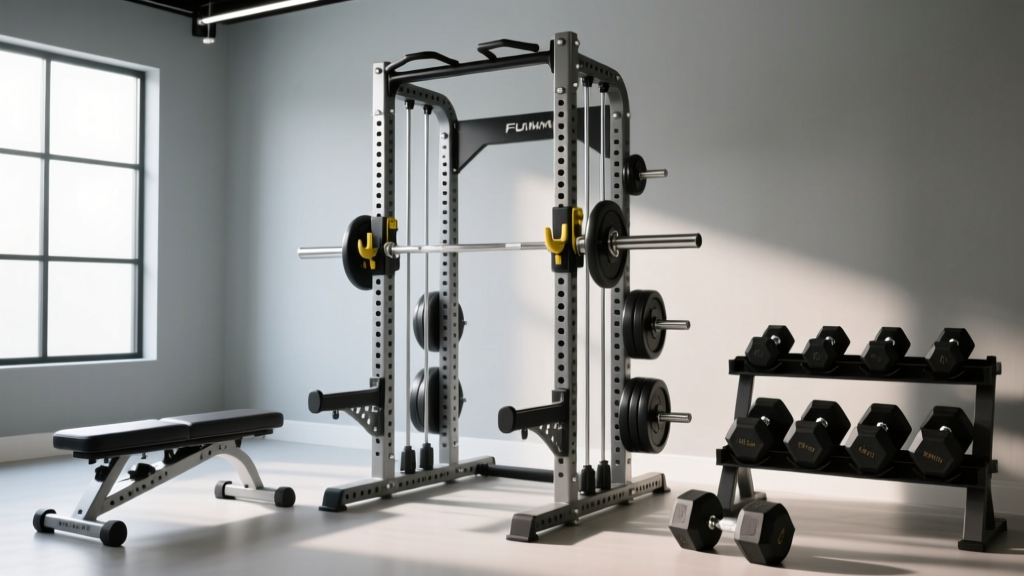
What Does Dumbbell Lateral Raise Work? & Collar Types
Discover what the dumbbell lateral raise works, then master your heavy lifts with our step-by-step barbell collar and clamp comparison guide.

The Biomechanics: What Does Dumbbell Lateral Raise Work?
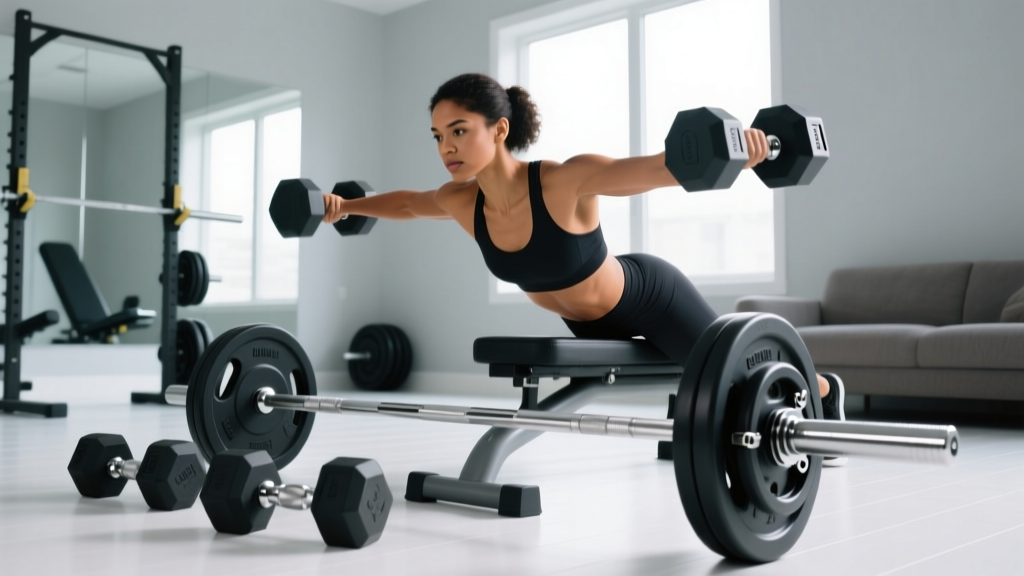
When beginners build their first home gym, the dumbbell lateral raise is often one of the first isolation exercises programmed for shoulder day. But beyond the basic 'burn' in the shoulders, what does dumbbell lateral raise work exactly? Understanding the kinesiology of this movement is critical for mind-muscle connection and injury prevention.
According to the ExRx Kinesiology Database, the lateral raise is a single-joint isolation movement that primarily targets the shoulder abductors. Here is the exact anatomical breakdown:
- Prime Mover (Lateral Deltoid): The middle head of the deltoid is responsible for the bulk of the lifting force, creating the 'capped' shoulder look most lifters desire.
- Initiator (Supraspinatus): For the first 15 degrees of arm abduction, the supraspinatus (a key rotator cuff muscle) does the heavy lifting before the lateral deltoid takes over.
- Synergists & Stabilizers: The upper trapezius, levator scapulae, and serratus anterior engage to stabilize the scapula, while the core prevents lower back hyperextension.
From Dumbbells to Barbells: Why Collar Selection Matters
While the dumbbell lateral raise is a staple for isolation, a complete 2026 shoulder and upper-body routine requires heavy compound movements like the Overhead Press (OHP) and Push Press. This is where you transition from dumbbells to the barbell.
When loading a barbell for heavy overhead work, the shifting center of mass and dynamic hip drive of a push press can cause unsecured weight plates to slide outward. If a 45 lb bumper plate slides even two inches off the sleeve, the asymmetrical weight distribution can cause a catastrophic wrist or shoulder injury mid-lift. This brings us to a critical, yet often overlooked, piece of free weight equipment: the barbell collar.
Step-by-Step Comparison: Barbell Collar & Clamp Types
Not all collars are created equal. The market has evolved significantly, and choosing the right clamp depends on your specific training style. Let us break down the four primary types of barbell collars available today.
1. Spring Collars (The Economy Standard)
Constructed from coiled spring steel, these are the most common collars found in commercial gyms. You squeeze the handles to expand the coil, slide it onto the 50mm Olympic sleeve, and release.
- Pros: Extremely cheap ($8-$12 per pair), lightweight, and fast to apply for static lifts like the bench press.
- Cons: Prone to metal fatigue over time. They offer very low clamping force against the plates.
- Failure Mode: If your barbell has an economy 49.5mm sleeve instead of a true 50mm Olympic sleeve, spring collars will fail to grip and will slide off during dynamic movements.
2. Plastic Clamp Collars (e.g., Lock-Jaw Pro V2)
Made from glass-reinforced nylon, these clamps use a dual-cam locking mechanism to bite down on the barbell sleeve.
- Pros: Excellent grip on true 50mm sleeves, highly durable for standard powerlifting, and reasonably priced (~$28 per pair).
- Cons: The nylon can become brittle in freezing garage gyms.
- Failure Mode: Dropping the barbell from overhead (e.g., a missed snatch or heavy push press) directly onto the plastic clamp can cause micro-fractures in the nylon housing, eventually leading to a snap under pressure.
3. Aluminum Cam Collars (e.g., Rogue HG 2.0)
As detailed in the Rogue Fitness equipment catalog, machined 6061 aluminum collars with a steel cam lever provide a premium balance of speed and security.
- Pros: Weighs exactly 0.55 lbs per collar (important for calibrated competition lifting), incredibly fast to lock and unlock, and won't shatter when dropped.
- Cons: More expensive (~$35 per pair) and the steel cam can scratch the zinc or chrome finish of your barbell sleeves over time.
4. Lever & Quick-Release Collars (e.g., Eleiko)
The gold standard for Olympic weightlifting and IPF powerlifting. These use a forged steel and hard-anodized aluminum lever mechanism to apply massive, even pressure across the sleeve.
- Pros: Unmatched clamping force. Plates will not shift even during the most violent Olympic cleans and jerks. View the Eleiko collar lineup for competition-grade examples.
- Cons: Heavy (up to 2.5 lbs per collar) and expensive ($100-$130 per pair).
2026 Barbell Collar Comparison Matrix
| Collar Type | Avg. Price (Pair) | Security Level | Best Application |
|---|---|---|---|
| Spring Steel | $8 - $12 | Low | Bench Press, Static Lifts |
| Nylon Clamp | $25 - $30 | High | Squats, Deadlifts, General Fitness |
| Aluminum Cam | $35 - $45 | Very High | Olympic Lifts, CrossFit, Speed Work |
| Competition Lever | $100 - $130 | Maximum | Heavy Overhead Press, Powerlifting Meets |
Step-by-Step: How to Properly Secure Your Barbell
Even the most expensive Eleiko lever collar will fail if applied incorrectly. Follow this beginner-friendly sequence to ensure your plates are locked tight against the barbell shoulder (the lip of the sleeve).
- Load the Plates Flush: Push your heaviest bumper or cast-iron plate all the way inward until it rests completely flush against the barbell's inner sleeve lip.
- Add the Collar: Slide your chosen collar onto the sleeve. Push it inward until it makes physical contact with the outermost plate.
- Apply the Clamping Force:
- For Cam/Lever Collars: Push the lever down until it locks parallel to the sleeve. You should feel a distinct 'snap' and resistance.
- For Clamp Collars: Squeeze the dual handles together until the secondary safety latch clicks into place.
- The 'Tap Test': Before lifting, stand the barbell upright on one end (if using bumper plates) or tap the collar with your hand. There should be zero lateral play. If the plates rattle, the collar is not seated tightly enough against the plate.
Expert Troubleshooting: Sleeve Tolerances & Edge Cases
One of the most common frustrations for beginners buying their first home gym setup is collars that 'do not fit.' This is almost always an issue of sleeve diameter tolerances.
True Olympic barbells have sleeves that measure exactly 50mm in diameter. However, many budget-friendly barbells sold on Amazon or big-box retail stores feature sleeves that measure 49.5mm or even 48mm to cut manufacturing costs.
Warning: If you use a rigid aluminum cam collar or a tight nylon clamp on a 49.5mm budget bar, the collar will not close fully, rendering the safety mechanism useless. Conversely, spring collars will slide right off a 49.5mm bar during a push press. Solution: Always measure your barbell sleeve with digital calipers before purchasing high-end clamps, or invest in a certified 50mm Olympic barbell from reputable brands like Rogue, Eleiko, or REP Fitness.Summary: Building Your Shoulder Day Arsenal
To recap, understanding what does dumbbell lateral raise work (the lateral deltoid and supraspinatus) allows you to program effective isolation work. However, to build true overhead strength and mass, you must incorporate heavy barbell pressing. By pairing your dumbbell isolation work with a properly secured barbell—using the correct cam or lever collar for your specific barbell's sleeve tolerance—you ensure that your 2026 training cycle is both highly effective and entirely safe.
More gear to consider
All reviews
Home Gym Setup: Plate Types and Dumbbell Exercises for Beginners

Bumper vs Iron Plate Maintenance & Dumbbell Lateral Press Care
Beginner Dumbbell Overhead Press Workout Using Neoprene Weights

Power Rack vs Squat Stand: Shoulder and Back Workouts with Dumbbells

Olympic Barbell Knurling & Seated Dumbbell Triceps Extension Errors