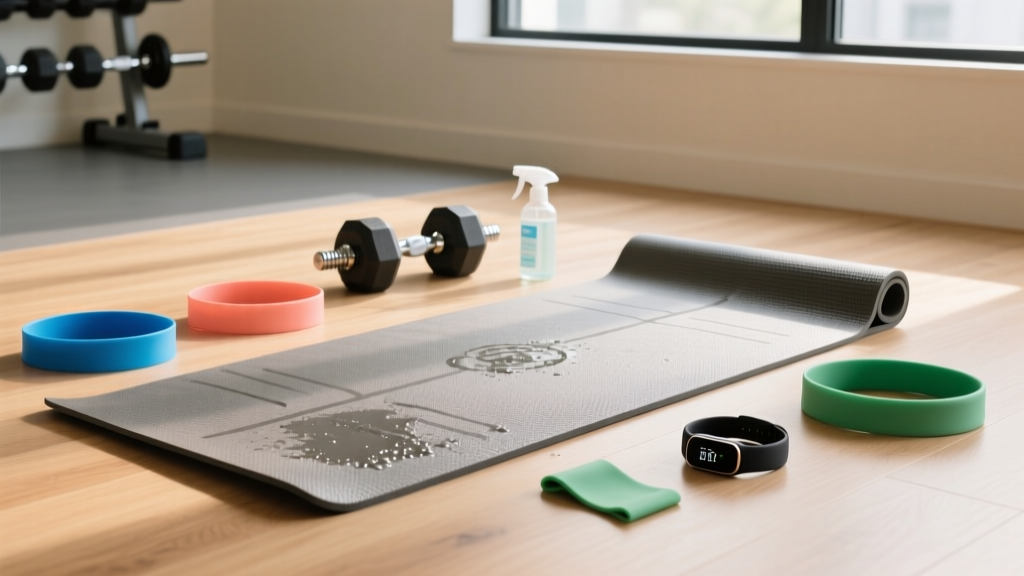
Yoga Mat Cleaning Spray DIY Mistakes: Material & Grip Guide
Discover how your DIY yoga mat cleaning spray might be ruining your mat's grip. We troubleshoot material, thickness, and chemical mistakes.

The Hidden Link Between Mat Material, Grip, and Cleaning
You just rolled out your premium yoga mat, expecting the grounded stability and reliable traction you paid for. Instead, your hands slip during Downward Dog, or your standing balances feel inexplicably wobbly. Before you blame the manufacturer or assume the mat has simply "worn out," consider a hidden culprit: your cleaning routine. Specifically, an improperly formulated yoga mat cleaning spray diy recipe can chemically alter your mat's surface, destroying its grip and compromising its structural integrity.
As a fitness equipment reviewer in 2026, I see countless practitioners prematurely retire $140 mats because they misunderstand the intersection of material science, thickness, and chemical hygiene. Troubleshooting a failing yoga mat requires looking at three variables simultaneously: the mat's core material (closed-cell vs. open-cell), its thickness profile (which dictates stability and absorption), and the exact pH and lipid content of the cleaner you are spraying on it.
This guide will diagnose the most common mistakes yogis make when matching DIY cleaners to specific mat materials and thicknesses, and provide exact formulations to restore and maintain your grip.
Material Breakdown: The Grip and Vulnerability Matrix
Not all yoga mats are created equal. The porosity of your mat's surface dictates how it interacts with sweat, skin oils, and cleaning agents. Below is a comparative matrix of the most popular premium mat materials on the market in 2026, their grip profiles, and their specific vulnerabilities to DIY cleaning ingredients.
| Material Type | Top Models (2026 Pricing) | Thickness & Grip Profile | Vulnerability to DIY Cleaners |
|---|---|---|---|
| Natural Rubber (Open-Cell) | JadeYoga Harmony ($80), Liforme Original ($140) | 4mm-5mm. Exceptional dry/wet grip. Highly porous. | Extreme. Essential oils and harsh solvents cause dry rot and flaking. |
| Polyurethane (PU) / Rubber | Alo Yoga Warrior ($128), Manduka eKO ($95) | 5mm. Moisture-wicking top layer, high grip when sweaty. | High. Acidic cleaners (vinegar) degrade the PU micro-pores, causing peeling. |
| PVC (Closed-Cell) | Manduka PRO ($132) | 6mm. Dense, durable, requires a "break-in" period for grip. | Moderate. Surfactants (dish soap/castile) leave a slippery film if not rinsed. |
| TPE (Closed-Cell) | Gaiam Premium ($30) | 3mm-5mm. Lightweight, moderate grip, eco-friendly alternative to PVC. | Low-Moderate. High-alcohol solutions can dry out and crack the TPE foam. |
3 Fatal Mistakes When Mixing DIY Sprays and Mat Materials
When browsing Pinterest or wellness blogs for a yoga mat cleaning spray diy solution, you will frequently encounter recipes utilizing essential oils, white vinegar, and castile soap. While these are excellent for household cleaning, they can be catastrophic for specialized fitness equipment.
Mistake #1: The Essential Oil Trap on Natural Rubber
Many DIY recipes call for 10-15 drops of tea tree, lavender, or sweet orange essential oil for their antimicrobial properties and pleasant scent. However, natural rubber mats like the JadeYoga Harmony or Liforme are vulcanized using lipid-sensitive processes. Essential oils contain compounds like d-limonene (found in citrus oils) and linalool, which act as natural solvents. When sprayed repeatedly on open-cell rubber, these oils break down the structural binders. The result? Your mat will begin to dry rot, flake onto your clothes, and lose its signature "sticky" grip within 6 to 8 months.
Mistake #2: The Vinegar Acid Burn on Polyurethane (PU)
White vinegar (acetic acid) is a staple in DIY cleaning. But PU top-layers, designed to absorb sweat and expand their micro-pores for enhanced grip, are highly sensitive to pH extremes. According to Manduka's official care instructions, exposing PU to acidic solutions compromises the integrity of the top layer. Over time, the acid causes the PU to become brittle, leading to micro-tears, permanent loss of grip, and eventual peeling away from the rubber base.
Mistake #3: The Surfactant Slip on Closed-Cell PVC
The legendary Manduka PRO is a dense, closed-cell PVC mat. Because it is non-porous, it doesn't absorb sweat or cleaners. A common mistake is spraying a DIY mixture containing Dr. Bronner's Castile soap or dish detergent and simply wiping it with a towel. Surfactants in these soaps are designed to lift oils, but without a thorough water rinse, they leave behind a microscopic, slippery polymer film. This completely neutralizes the mat's grip, leading practitioners to mistakenly believe their mat is defective.
⚠️ Troubleshooting Alert: If your closed-cell PVC mat suddenly feels like an ice rink, your DIY soap spray has likely left a residue. Do not throw the mat away. You can restore the grip using a coarse sea salt scrub (detailed in the restoration section below).Thickness and Grip: Troubleshooting Stability Issues
Grip is not solely a surface-level issue; it is deeply intertwined with mat thickness and compression. When troubleshooting a lack of stability, you must evaluate if your mat's thickness is fighting against your practice style.
- 3mm (Travel/Thin): Provides maximum connection to the floor, enhancing balance in standing poses (e.g., Warrior III). However, thin mats offer zero joint cushioning. If you are slipping on a 3mm mat, it is almost entirely a surface grip issue (likely caused by sweat or cleaner residue), not a compression issue.
- 5mm (Standard): The sweet spot for most practitioners (e.g., Alo Yoga Warrior). It offers adequate knee cushioning while maintaining a firm base. If you feel wobbly, check if the open-cell material has become overly saturated with heavy DIY oil sprays, making the surface slick.
- 6mm+ (Joint Support): Mats like the 6mm Manduka PRO or 8mm Gaiam are excellent for restorative yoga or sensitive joints. The Mistake: Using a thick, soft mat for vigorous Vinyasa or Ashtanga. The foam compresses under the ball of your foot or palm, causing your toes/fingers to spread and slide outward, mimicking a "loss of grip." This is a mechanical failure of choosing the wrong thickness for dynamic movements, not a failure of the mat's surface material.
Safe, Material-Specific DIY Cleaning Recipes
To maintain the longevity and grip of your investment, abandon the one-size-fits-all approach. Here are two scientifically sound, material-specific DIY recipes that sanitize without degrading your mat.
Recipe A: For Natural Rubber & PU Mats (Open-Cell)
Goal: Sanitize without dissolving lipids or altering pH.
- Base: 8 oz Distilled Water (tap water contains minerals that can leave a gritty residue in open pores).
- Astringent: 1 oz Alcohol-Free Witch Hazel. This provides mild antibacterial properties and evaporates quickly without drying out the rubber.
- Scent (Optional): 2 drops of Hydrosol (e.g., Rose or Lavender water). Unlike essential oils, hydrosols are water-based and contain no lipid-dissolving solvents.
Application: Mist lightly and wipe with a damp microfiber cloth. Never soak an open-cell mat.
Recipe B: For PVC & TPE Mats (Closed-Cell)
Goal: Cut through body oils without leaving a surfactant film.
- Base: 6 oz Distilled Water.
- Solvent: 2 oz 70% Isopropyl Alcohol. Alcohol cuts through sebum (skin oils) and evaporates completely, leaving zero slippery residue behind.
- Emulsifier: 1/2 teaspoon of white vinegar (safe for closed-cell PVC, unlike PU).
Application: Spray generously, let sit for 30 seconds to break down oils, and wipe dry with a clean cotton towel.
Quick Troubleshooting Matrix: Restoring Lost Grip
If you have already made these mistakes, all may not be lost. Use this troubleshooting matrix to attempt a restoration before buying a replacement.
| Symptom | Probable Cause | Restoration Protocol |
|---|---|---|
| PVC mat is uniformly slippery. | Surfactant (soap) buildup from DIY cleaner. | The Salt Scrub: Sprinkle coarse sea salt over the mat, spray lightly with water, and scrub with a stiff-bristled brush. Wipe clean. This physically removes the soap film and accelerates the PVC "break-in" process. |
| Rubber mat is flaking or crumbling. | Essential oil degradation (dry rot). | Irreversible. The chemical bonds of the vulcanized rubber are broken. Recycle the mat and switch to Recipe A for your next purchase. |
| PU top layer is peeling at the edges. | Acidic (vinegar) breakdown of PU adhesive. | Trim and Adapt. Carefully trim the peeling PU with scissors. The underlying rubber base will still provide moderate grip, though it will no longer be moisture-wicking. |
| Slipping only in hands/feet during heavy sweat. | Mat is closed-cell and cannot absorb moisture. | Hardware Fix. Stop relying on sprays to fix this. Purchase a microfiber yoga towel (e.g., Yogitoes) to lay over the mat for hot yoga sessions. |
"Proper mat hygiene is about preservation, not just sanitation. Understanding the chemical composition of your mat's surface is the difference between a mat that lasts a lifetime and one that ends up in a landfill after a year."
— Equipment Testing Notes, FitGearPulse Lab, 2026
Final Thoughts on Mat Maintenance
The allure of a yoga mat cleaning spray diy recipe is undeniable—it's cost-effective and utilizes natural household ingredients. However, as the experts at Yoga Journal frequently note, "natural" does not always mean "compatible" with specialized athletic polymers and vulcanized rubbers. By aligning your cleaning chemistry with your mat's specific material and respecting how thickness impacts your mechanical stability, you can troubleshoot grip issues effectively and ensure your mat supports your practice for years to come. Always test any new DIY solution on a small, inconspicuous corner of your mat before committing to a full spray-down.
More gear to consider
All reviews
Loop Band vs Tube Band & Lululemon Take Form Yoga Mat Budget

Pilates Accessories Guide: Budgeting for a Kawaii Yoga Mat Setup
Home Gym Layout: Stability Ball vs BOSU & 3mm vs 5mm Yoga Mat

Beyond Liforme Yoga Mat Reviews: Pull-Up Band Sizing
Foam Roller Density Guide & Cleaning Yoga Mat Washing Machine Errors
