
Recovery Studio Setup: Compression Boots & Wholesale Massage Guns
Learn how to install commercial compression boots and integrate wholesale massage guns for a complete, high-ROI recovery studio setup in 2026.

The Commercial Recovery Lounge Blueprint
Designing a high-performance recovery studio in 2026 requires more than simply plugging in a few devices and opening the doors. Whether you are outfitting a boutique fitness studio, a physical therapy clinic, or a dedicated recovery lounge, the integration of pneumatic compression systems and percussive therapy devices forms the backbone of your service menu. This complete setup and installation walkthrough will guide you through the spatial, electrical, and operational requirements of deploying top-tier compression boots, while strategically sourcing wholesale massage guns to maximize your retail and rental margins.
According to research published in the National Center for Biotechnology Information (NCBI), intermittent pneumatic compression significantly enhances blood flow and reduces delayed onset muscle soreness (DOMS). However, the clinical efficacy of these devices is only realized in a commercial setting if the installation workflow, sanitation protocols, and power management are flawlessly executed.
Evaluating the Core: Tethered vs. Cordless Compression Boots
Before running electrical lines or arranging furniture, you must select the right compression architecture for your floor plan. The market is currently dominated by two distinct form factors:
1. Tethered Hub Systems (e.g., Normatec 3)
The Normatec 3 utilizes a centralized control unit connected to the boots via a proprietary 3-pin DIN connector. Pros: Lighter boots, centralized firmware updates, and easier sanitization of the detachable nylon shells. Cons: Requires careful cable management to prevent tripping hazards and limits user mobility within the lounge.
2. Fully Cordless Systems (e.g., Hyperice RecoveryAir JetBoots)
JetBoots house the compressor and battery entirely within the boot shell. Pros: Zero cables, allowing users to walk around or do light mobility work while compressing. Cons: Heavier on the leg (approx. 2.5 lbs per boot) and requires heavy-duty, multi-slot charging racks when not in use.
Step-by-Step Compression Boot Installation Walkthrough
Follow this exact sequence to ensure your compression boot stations are safe, compliant, and ready for high-volume commercial use.
- Spatial Mapping & Clearance: Allocate a minimum footprint of 30x40 inches per zero-gravity recliner. Users need adequate lateral clearance to extend their legs fully without kicking adjacent equipment. Ensure a 12-inch gap behind the chair for hub ventilation and cable routing.
- Electrical Load Balancing: A single Normatec 3 hub draws roughly 60W under peak load. If you are installing a 10-station lounge, your continuous draw will be around 600W. While this seems low, the startup surge current can trip standard 15A breakers if shared with HVAC or lighting. Run dedicated 20A circuits for your recovery zones.
- Cable Management & Strain Relief: For tethered systems, route the 3-pin hoses through flexible floor cord covers. Critical Edge Case: Never zip-tie the hoses tightly to the chair frame. The repeated bending and pulling from users adjusting their legs will cause internal pneumatic line kinks, leading to compressor burnout within 6 months.
- Sanitation Station Deployment: Position a UVC (ultraviolet-C) sanitization cabinet or a hypochlorous acid (HOCl) electrostatic sprayer station between every four chairs. The CDC guidelines on environmental cleaning emphasize the use of EPA-registered disinfectants for high-touch surfaces in shared facilities. HOCl is highly effective against staph and MRSA, yet completely safe for the TPU (thermoplastic polyurethane) materials used in compression boots.
Outfitting the Fleet: Sourcing Wholesale Massage Guns
To create a comprehensive recovery ecosystem, compression boots must be paired with localized percussive therapy. Purchasing retail units (like the Theragun PRO or Hyperice Hypervolt) for rental or resale will destroy your profit margins. This is where sourcing wholesale massage guns becomes a critical business strategy.
Pro-Tip for Studio Owners: When negotiating with OEM manufacturers on platforms like Alibaba or GlobalSources, do not just ask for 'massage guns.' Request specific motor and battery certifications to ensure safety and longevity in a high-turnover commercial environment.
Minimum Specs for Commercial Wholesale Percussive Devices
- Motor: Brushless DC motor with a minimum stall force of 45-50 lbs. Cheaper brushed motors will overheat and fail within 30 days of commercial use.
- Amplitude: 10mm to 12mm. Anything less is merely a vibration massager and will not provide the neuromuscular release your clients expect.
- Battery Safety: Ensure the internal lithium-ion cells (usually 18650 or 21700 formats) carry UN38.3 certification. The Consumer Product Safety Commission (CPSC) regularly flags uncertified lithium batteries for thermal runaway risks. Never compromise on battery documentation when importing wholesale electronics.
- Swappable Batteries: Specify models with removable battery packs. In a busy studio, you cannot afford to tether a gun to a wall outlet for 3 hours to recharge. Buy 3x the amount of batteries as guns, and rotate them through a smart charging locker.
Power, Spatial, and Maintenance Matrix
Use the table below to plan your facility's infrastructure and ongoing maintenance schedule.
| Equipment Type | Power Draw (Peak) | Footprint / Storage | Maintenance & Failure Points |
|---|---|---|---|
| Normatec 3 (Tethered) | 60W per hub | 12x8x8 inches (Hub) | Hose kinking, 3-pin connector corrosion from sweat. |
| RecoveryAir JetBoots | 120W (Charging Rack) | 20x15 inches (Rack) | Battery degradation after 500 cycles, zipper track blowouts. |
| Wholesale Massage Guns | 30W (Charging) | Locker/Basket Storage | Stall motor burnout, attachment head rubber tearing. |
| HOCl Sanitation Sprayer | 45W | Wall-mounted bracket | Nozzle clogging if solution is not replaced every 14 days. |
Edge Cases and Real-World Troubleshooting
Even with a flawless installation, commercial recovery equipment faces unique failure modes driven by high-volume human use. Here is how to troubleshoot the most common issues:
The 'Sweaty Calf' Zipper Blowout
The Problem: Users attempt to zip up compression boots while their legs are still sweaty from a workout. The friction causes the nylon shell to catch, and the user forces the YKK zipper, resulting in track delamination.
The Fix: Install a 'Prep Station' at the entrance of the recovery lounge. Stock it with disposable bamboo liners and talc-free drying powder. Mandate that users wipe down their legs before booting up. This single operational change will extend the lifespan of your boot shells by an estimated 40%.
Bluetooth Pairing Gridlock
The Problem: Systems like the Normatec 3 rely on Bluetooth app pairing for advanced protocols. In a room with 15 hubs and 30 smartphones, Bluetooth signal crossing causes hubs to connect to the wrong user's phone, ruining custom compression profiles.
The Fix: Disable app-reliant protocols in commercial settings. Pre-set the hubs to the standard 'Flush' protocol (usually Zone 2, 45-minute timer) using the physical interface, and lock the digital interface behind an admin PIN. Treat the app as a diagnostic tool for your staff, not a daily interface for your clients.
Frequently Asked Questions
How often should I replace the batteries in my wholesale massage guns?
Commercial-grade 18650 lithium-ion batteries typically endure 500 to 800 full charge cycles before dropping below 80% capacity. In a busy studio cycling guns twice a day, expect to replace the battery cells every 9 to 12 months.
Can I use standard upholstery cleaner on compression boots?
No. Standard upholstery cleaners often contain harsh solvents or alcohols that will dry out and crack the TPU bladders inside the boots. Stick to hypochlorous acid (HOCl) sprays or manufacturer-approved quaternary ammonium wipes.
What is the ideal room temperature for a recovery lounge?
Maintain the ambient temperature between 68°F and 70°F (20°C - 21°C). Cooler temperatures cause peripheral vasoconstriction, which directly counteracts the vasodilation and blood-pooling benefits of the pneumatic compression boots.
More gear to consider
All reviews
Are Massage Guns Bad for You? Try Infrared Sauna Blankets & Panels

Theragun vs Hyperice: Toloco Massage Gun Attachments Value

Foam Roller Density Guide & Therabody Theragun Relief Massage Gun Navy
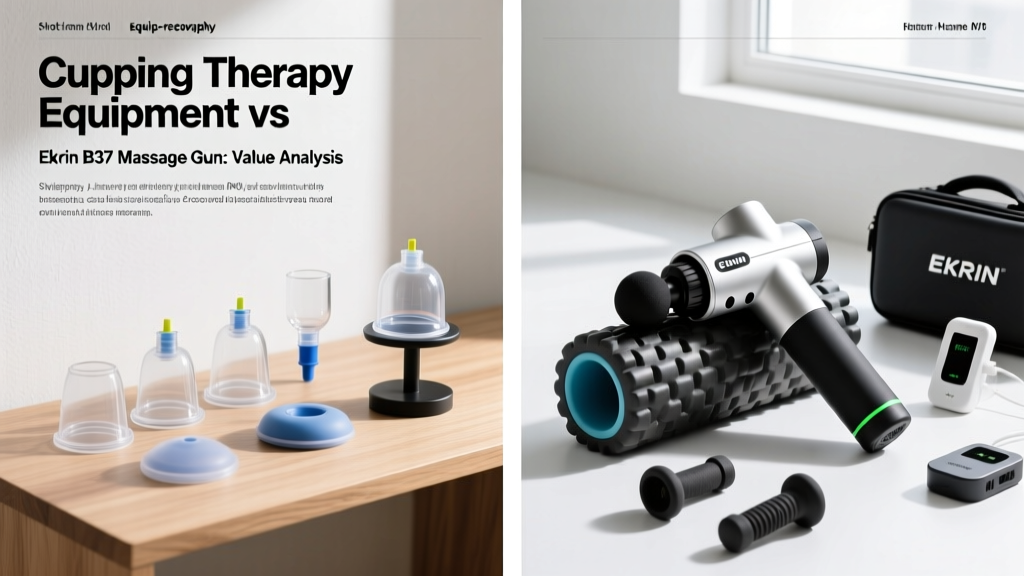
Cupping Therapy Equipment vs Ekrin B37 Massage Gun: Value Analysis

Normatec vs Hyperice & Tzumi Profit Percussion Muscle Massage Gun
