
Compression Boot Systems & Multi Head Massage Gun Troubleshooting
Fix common recovery system errors. Our compression boot review and multi head massage gun troubleshooting guide reveals top mistakes and expert solutions.

Building a comprehensive at-home recovery suite is a significant financial and physical investment. In 2026, the gold standard for elite and amateur athletes alike involves pairing pneumatic compression boots with advanced percussive therapy. However, integrating these tools is fraught with user error, mechanical misunderstandings, and protocol mistakes. This guide provides an in-depth compression boot review and specifically targets the most common mistakes and troubleshooting steps for incorporating a multi head massage gun into your recovery protocol.
The 2026 Recovery Hardware Landscape
Before troubleshooting, we must establish the baseline hardware dominating the current market. Premium compression systems like the Normatec 3 ($1,099) and the Hyperice Recovery System ($899) utilize dynamic pneumatic compression to mimic the muscle pump, pushing interstitial fluid and metabolic waste back into the lymphatic system. These systems operate at peak pressures between 100 mmHg and 110 mmHg.
Conversely, percussive therapy targets localized muscular adhesions and neural down-regulation. While standard single-node devices are common, the multi head massage gun category—which includes dual-node devices like the Bob and Brad Q2 ($129) or multi-attachment smart systems like the Theragun PRO Plus ($599)—has surged in popularity. These devices allow users to straddle the spine or hit bilateral muscle groups simultaneously, cutting treatment time in half. But this efficiency introduces unique mechanical and physiological failure points.
Multi Head Massage Gun Mistakes & Troubleshooting
Using a device with multiple simultaneous percussive nodes requires a different biomechanical approach than a standard single-head unit. Here are the most critical errors users make, alongside actionable troubleshooting steps.
Mistake 1: Cervical Spine Straddling and Vagus Nerve Compression
Many users attempt to use a dual-node or multi head massage gun to straddle the cervical spine (neck) to relieve upper trapezius tension. This is a severe safety hazard. The percussive force can compress the vagus nerve or cause micro-trauma to the cervical vertebrae.
Expert Fix: Never apply multi-node percussion above the C7 vertebra (the prominent bone at the base of your neck). Instead, use a single dampener attachment on the upper traps, keeping the stroke angle directed away from the spine and toward the shoulder joint.Mistake 2: Ignoring Asymmetrical Stall Force
When using a multi-node attachment, the total stall force (the pressure required to stop the motor) is distributed across the contact points. If you press a dual-head attachment unevenly into a dense muscle group like the vastus lateralis, one node will bear 80% of the load. This causes the device's internal microprocessor to detect a stall, shutting off the motor prematurely to prevent burnout.
- Troubleshooting Step: Ensure your grip is perfectly perpendicular to the muscle belly. If your device features a pressure sensor ring (like the Theragun ecosystem), ensure the LED indicator remains green or yellow. If it flashes red, you are applying asymmetrical torque.
- Hardware Check: Inspect the titanium shafts on your multi-node attachment. If one head wobbles more than 2mm, the internal O-ring is degraded. Contact the manufacturer for a replacement attachment head, as wobble destroys the brushless motor bearings over time.
Compression Boot Review: Hardware Failures and Fixes
Pneumatic compression boots are highly reliable, but the combination of high-pressure air, sweat, and frequent travel leads to specific failure modes. Below is a troubleshooting matrix for the most common boot errors.
| Error Symptom | Probable Cause | Expert Troubleshooting Fix |
|---|---|---|
| System halts with 'Pressure Leak' or 'E-04' Code | Distal zipper failure or hose latch disengagement. | Wipe the zipper track with an alcohol swab to remove dried sweat and skin oils. Ensure the quick-release hose latch clicks twice. Check the rubber O-ring inside the hose connector for micro-tears. |
| Asymmetrical Inflation (Left boot feels tighter than right) | App calibration error or internal valve blockage. | Perform a factory reset via the companion app. Run the 'System Check' diagnostic cycle, which pressurizes both boots to 110 mmHg simultaneously to recalibrate the internal solenoids. |
| Liner Skin Irritation / Chafing | Using boots on damp skin or freshly shaved legs. | Always wear full-length compression tights or cotton liners underneath the boots. The antimicrobial lining of the boot degrades when exposed to direct skin acidity and sweat. |
Integration Matrix: Sequencing Your Recovery
The most pervasive mistake in modern recovery is using these tools in the wrong order. Applying high-PSI compression immediately after heavy eccentric loading, without first addressing localized muscular spasms, can trap metabolic waste and exacerbate delayed onset muscle soreness (DOMS).
Use this 2026 protocol matrix to correctly sequence your multi head massage gun and compression boots:
- Phase 1: Neural Down-Regulation (Minutes 0-10): Use the multi-node attachment on a low speed (1750 PPM). Glide over the major muscle bellies (quads, lats, calves) for 60 seconds per group. Do not dig into trigger points. The goal is to signal the parasympathetic nervous system to relax muscle tone.
- Phase 2: Localized Flush (Minutes 10-20): Switch to a single cone or thumb attachment. Target specific adhesions or knot clusters with 30 seconds of deep, sustained pressure.
- Phase 3: Lymphatic Evacuation (Minutes 20-50): Step into the compression boots. Set the pressure to a moderate 60-80 mmHg. The boots will now effectively push the fluid, which was mobilized by the percussive therapy, up through the lymphatic nodes for filtration.
'Percussive therapy acts as the mechanical agitator, loosening fluid and fascial restrictions, while pneumatic compression acts as the transport mechanism. Reversing this order severely limits the efficacy of both modalities.'
The Science of Sequencing: Lymphatic vs. Muscular
Understanding the physiological difference between these tools is vital for troubleshooting your own recovery results. According to research published by the National Center for Biotechnology Information, intermittent pneumatic compression significantly enhances blood flow and reduces limb girth (swelling) by accelerating lymphatic drainage. However, it does not effectively break down localized fascial adhesions.
This is where the multi head massage gun bridges the gap. By utilizing bilateral percussion, you increase local tissue temperature and thixotropy (the ability of tissue to become more fluid under mechanical stress). The American Council on Exercise (ACE) notes that percussive therapy is highly effective for acute pain relief and increasing range of motion prior to movement, making it the perfect precursor to compression therapy.
Medical Warning: Never use compression boots or deep percussive therapy on a limb if you suspect Deep Vein Thrombosis (DVT). The Cleveland Clinic warns that mechanical pressure can dislodge a blood clot, leading to a life-threatening pulmonary embolism. If you experience localized heat, redness, and sharp calf pain, seek immediate medical attention.FAQ: Maintenance and Edge Cases
How often should I replace the attachments on my multi head massage gun?
Standard EVA foam attachments degrade after 12 to 18 months of daily use, losing their shock-absorption properties and transferring harsh vibrations into your joints. Hard plastic or carbon-fiber multi-node attachments do not degrade in the same way, but their internal metal locking pins can wear down. Replace any attachment that exhibits lateral wobble or requires excessive force to snap onto the device shaft.
Can I use my compression boots while traveling on an airplane?
While portable systems like the Hyperice Recovery Air Go are designed for travel, using them in a pressurized cabin requires caution. The ambient cabin pressure changes can affect the boot's internal barometric sensors, occasionally causing over-inflation. If you use them on a flight, keep the pressure setting below 50 mmHg and limit sessions to 20 minutes to prevent restricted arterial flow in a seated position.
Why does my multi head massage gun squeak during use?
A high-pitched squeak usually indicates friction between the attachment shaft and the device's internal receiving collar. To troubleshoot, remove the attachment, wipe the metal shaft with a dry microfiber cloth, and apply a microscopic drop of food-grade silicone lubricant to the O-ring. Never use petroleum-based oils like WD-40, as these will dissolve the rubber seals and void your warranty.
More gear to consider
All reviews
How to Use Massage Gun on Legs & Trigger Point Balls for Longevity

Boots Massage Gun Review: Renpho Recovery Gear Tested
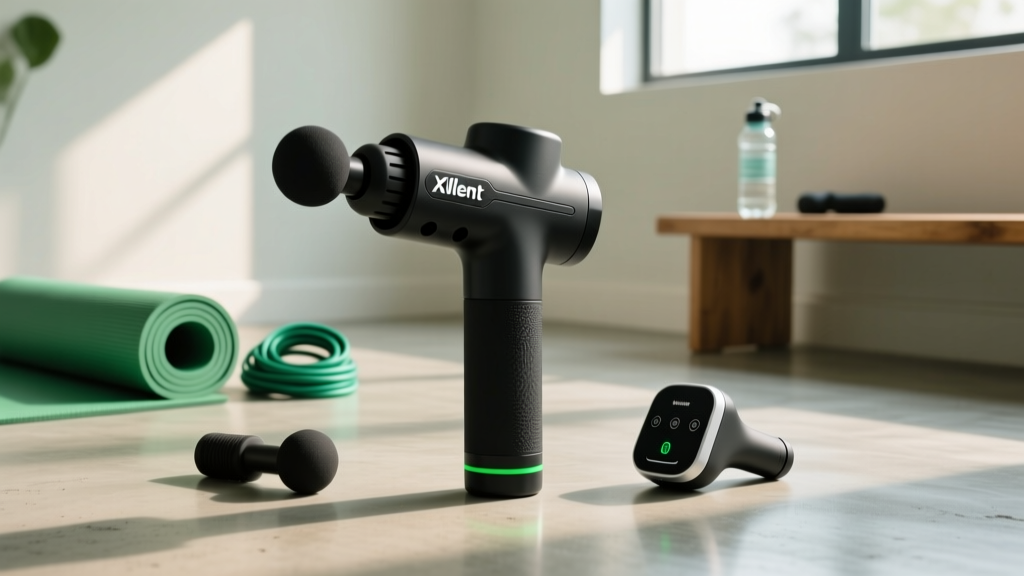
Is the Xllent Massage Gun Worth It? Percussion vs Vibration

Massage Gun for Calf Pain vs Trigger Point Balls: Budget Breakdown
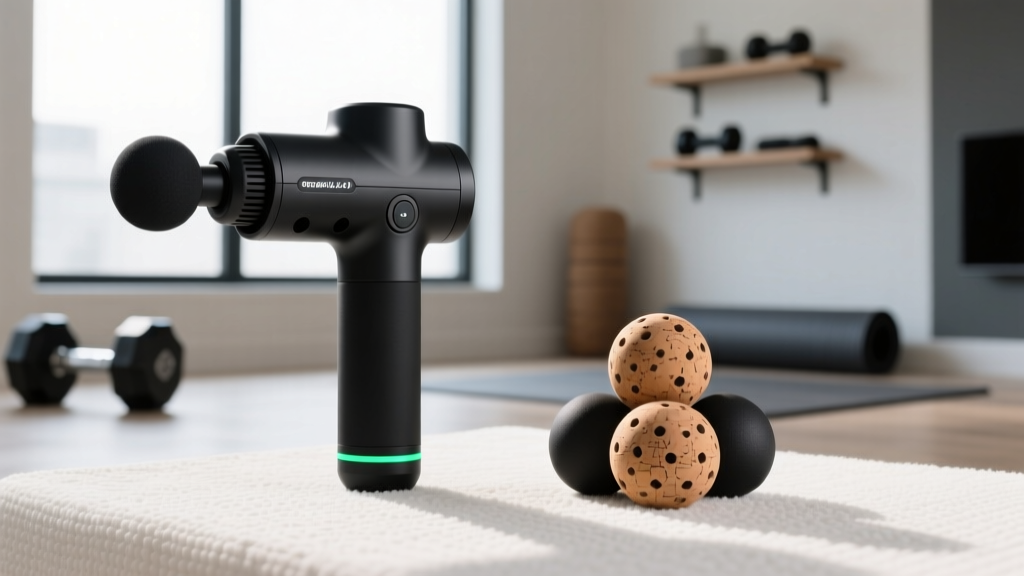
Massage Gun Disadvantages vs Trigger Point Balls: Value Analysis
