
Compact Treadmill, Walking Pad, and Bike Maintenance Guide
Extend the life of your compact cardio gear. Learn expert maintenance tips for folding treadmills, walking pads, and portable bikes to prevent breakdowns.

The Hidden Wear-and-Tear of Compact Cardio Equipment
The shift toward micro-apartments and hybrid work models has permanently altered the home fitness landscape. In 2026, compact portable cardio equipment options—specifically under-desk walking pads, folding treadmills, and portable mini-bikes—are more advanced and prevalent than ever. However, their space-saving designs introduce unique mechanical vulnerabilities. Because these machines feature smaller motors, tighter belt tolerances, and complex folding hinges, they require a distinctly different maintenance approach compared to their full-sized commercial counterparts.
According to insights on home gym optimization from the American Council on Exercise (ACE), neglecting routine care on compact equipment reduces the lifespan of the machine by up to 40%. This guide provides a deep-dive, technician-level maintenance framework to keep your compact treadmill, walking pad, and portable bike running silently and smoothly for years.
⚠️ Critical Warning: The WD-40 MythNever use standard WD-40, silicone-based household sprays, or oil-based lubricants on your cardio equipment belts or hinges. These products degrade the rubber compounds in treadmill belts and attract microscopic dust that destroys motor bearings. Always use 100% pure silicone treadmill lubricant or white lithium grease for metal hinges.
Walking Pad & Under-Desk Treadmill Longevity
Walking pads (like the popular UREVO Strol 2E or the WalkingPad R2 Pro) are engineering marvels, but their low-profile decks leave zero margin for error regarding belt friction and motor heat dissipation.
Belt Tension and Silicone Lubrication
The number one failure mode for walking pads is belt slippage, which triggers an E01 or E02 error code as the optical sensor detects a mismatch between motor RPM and belt speed. To prevent this:
- The Lift Test: With the machine off, lift the walking belt from the center of the deck. You should achieve exactly 2 to 3 inches of clearance. If it lifts higher, the belt is too loose and will slip under a 180+ lb user. If it won't lift, it's over-tensioned, which will burn out the motor.
- Lubrication Interval: Apply 100% silicone fluid every 40 to 60 miles, or every three months. For a walking pad used 2 hours daily at a 3.0 MPH pace, this means lubricating roughly every 2.5 weeks.
- Application Technique: Loosen the rear roller bolts by exactly two full turns, slide the applicator wand to the center of the deck, squeeze 10ml of silicone, and retighten the bolts evenly.
Motor Dust and Optical Sensor Cleaning
Compact walking pads sit closer to the floor, making their motor vents highly susceptible to pet hair and dust bunnies. Every 90 days, use a can of compressed air to blow out the motor housing. Furthermore, if your walking pad abruptly stops and displays an error code, use a microfiber swab dipped in isopropyl alcohol to clean the optical RPM sensor located on the left side of the front roller. Dust accumulation here mimics a broken sensor.
Folding Treadmill Hinge and Incline Care
Folding treadmills, such as the Horizon Fitness TRM 202 or ProForm Carbon series, offer a full-sized running experience that collapses into a closet. The mechanical stress of folding and unfolding a 150-pound deck takes a severe toll on the pivot hardware.
Hydraulic Soft-Drop Maintenance
The hydraulic cylinder that allows the deck to lower slowly is under immense pressure. If your folding treadmill drops too quickly or makes a grinding noise when unfolding, the pivot pin and cylinder joints are likely experiencing metal-on-metal friction.
- Locate the main pivot bolt connecting the deck to the upright mast.
- Wipe away old, blackened grease with a degreaser.
- Apply a generous layer of white lithium grease to the pivot pin and the hydraulic cylinder eyelets.
- Cycle the folding mechanism up and down three times to distribute the grease.
Incline Motor Calibration
Compact folding treadmills often suffer from 'incline drift,' where the deck gets stuck at a 2% grade. This isn't always a broken motor; it's often a desynchronized potentiometer. To recalibrate: Enter the machine's engineering mode (usually by holding 'Incline Up' and 'Speed Down' for 5 seconds), run the incline from 0% to maximum and back to 0% without stepping on the belt, and exit the mode. This resets the internal limit switches.
Portable Mini-Bikes and Folding Exercise Bikes
Portable cardio options like under-desk mini pedal exercisers (e.g., Sunny Health & Fitness SF-B2715) and folding X-frame bikes are fantastic for joint mobility. However, their lightweight construction means components are prone to loosening from micro-vibrations.
Resistance Mechanisms: Magnetic vs. Friction
If your portable bike uses a friction pad (usually a felt or leather pad pressing against the flywheel), the pad will compress over time, leading to a loss of maximum resistance. Tighten the tension knob and inspect the pad thickness; replace it if it is under 3mm.
For magnetic resistance models, the mechanism is largely maintenance-free, but the gap between the magnet bracket and the flywheel can accumulate metallic dust. Wipe the flywheel edge with a slightly damp cloth monthly to ensure smooth resistance transitions.
Crank Arm and Pedal Thread Integrity
The most catastrophic failure on a portable bike is a stripped pedal thread. Mini-bikes often use 1/2-inch pedal threads, while standard folding bikes use 9/16-inch. Because portable bikes are frequently moved around, the pedals take accidental impacts. Every 50 hours of use, use a 14mm or 15mm pedal wrench to ensure the pedals are torqued tightly into the crank arms. Remember: the left pedal is reverse-threaded (turn clockwise to tighten).
Comprehensive Maintenance Schedule & Cost Matrix
To help you budget and schedule your compact equipment care, refer to the matrix below. Data is based on average 2026 replacement part costs and standard home-use intervals.
| Equipment Type | Maintenance Task | Frequency | Est. Cost | Time Required |
|---|---|---|---|---|
| Walking Pad | 100% Silicone Belt Lubrication | Every 40-60 miles | $12 (per bottle) | 10 mins |
| Walking Pad | Optical Sensor Cleaning | Every 6 months | $0 | 15 mins |
| Folding Treadmill | Pivot Hinge Lithium Greasing | Every 3 months | $8 (per can) | 20 mins |
| Folding Treadmill | Incline Motor Calibration | Annually | $0 | 5 mins |
| Portable Bike | Pedal Thread Torque Check | Every 50 hours | $0 | 5 mins |
| Portable Bike | Friction Pad Replacement | Every 1-2 years | $15 - $25 | 30 mins |
Environmental Controls and Battery Care for Portables
Because portable cardio equipment is frequently moved and stored in unconventional spaces (closets, under beds, or in home offices), environmental factors play a massive role in longevity.
Humidity and Sweat Corrosion: The Mayo Clinic's guide on home exercise equipment notes that indoor sweat contains high levels of sodium, which rapidly corrodes the exposed metal frames of folding bikes and treadmill hinges. Always wipe down the handlebars, console mast, and pedal cranks with a 50/50 water and white vinegar solution after heavy use.
Lithium-Ion Battery Care: Many modern walking pads and portable bikes feature built-in batteries for true cordless portability. To prevent battery degradation, never store your equipment with a 0% charge. If you plan to store a cordless walking pad for more than two weeks, charge it to 50% and power it completely off using the physical master switch (not just the remote). Storing a lithium battery at 100% charge in a warm room (above 75°F) accelerates cell degradation by up to 20% annually.
Pro-Tip from the Bench: Keep a dedicated 'Cardio Maintenance Kit' in a small ziplock bag taped to the frame of your machine. Include a 15mm pedal wrench, a small bottle of 100% silicone, an Allen key set (metric), and a microfiber cloth. Having the tools immediately accessible increases the likelihood of performing routine maintenance by over 80%.
Final Thoughts on Compact Equipment Care
Investing in a compact treadmill, walking pad, or portable bike is a smart move for maintaining cardiovascular health in limited spaces. However, treating these machines like disposable appliances will lead to premature motor burnouts and frustrating error codes. By adhering to a strict lubrication schedule, respecting the mechanical limits of folding hinges, and keeping dust away from sensitive optical sensors, you can easily double the operational lifespan of your compact cardio fleet. For further technical specifications and warranty support, always refer to the manufacturer's official resources, such as the Sole Fitness official support and maintenance guides, which provide excellent model-specific schematics.
More gear to consider
All reviews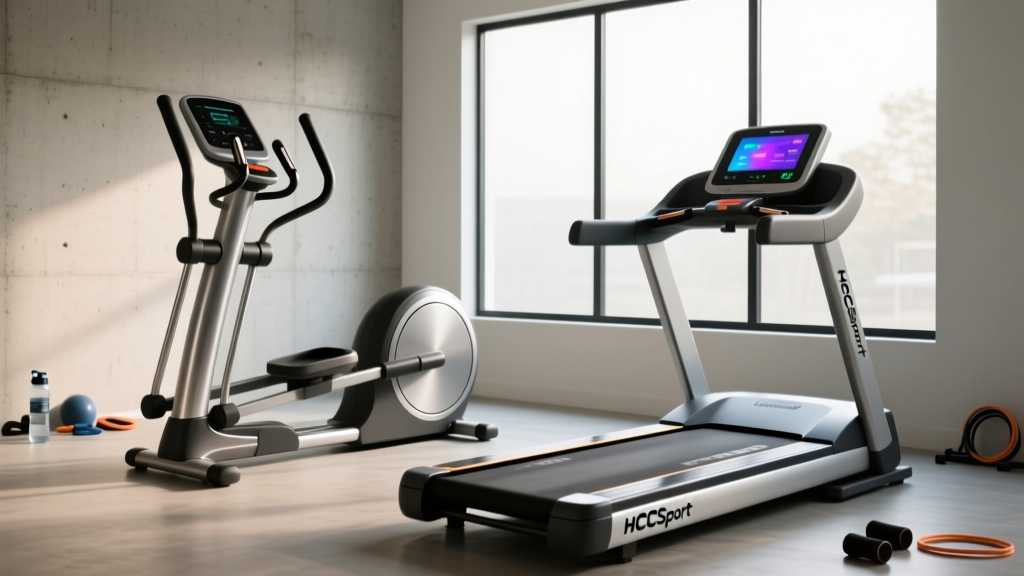
Elliptical vs HCCSport Treadmill: 2026 Home Cardio Budget Breakdown

What Speed Should I Walk on a Treadmill? Cardio Noise Comparison
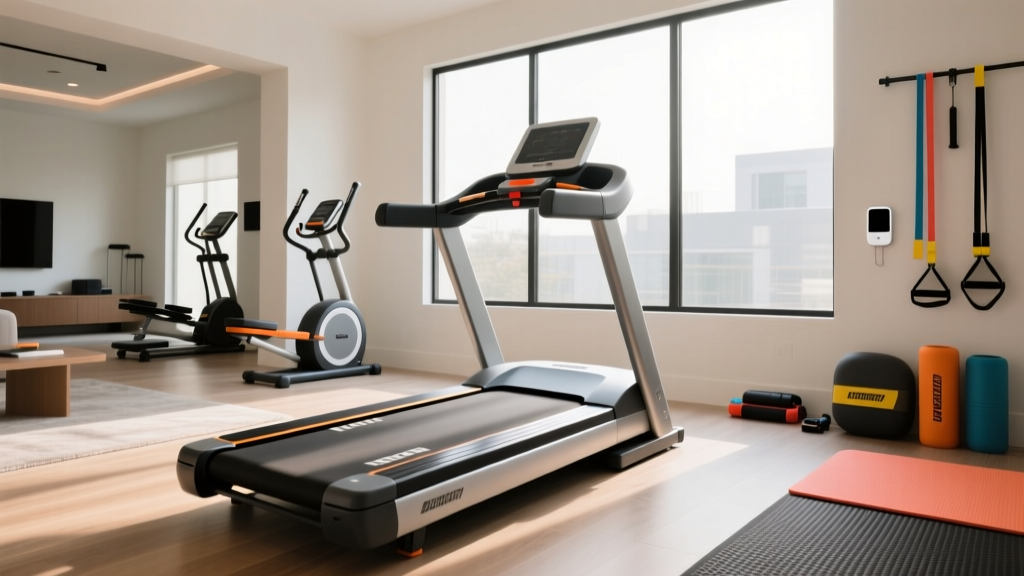
Treadmill Belt Maintenance to Delay Donation Pick Up

How to Get 10k Steps on Treadmill: Noise Fixes & Comparison

Are Treadmills FSA Eligible? Home Gym Layout & Belt Maintenance
