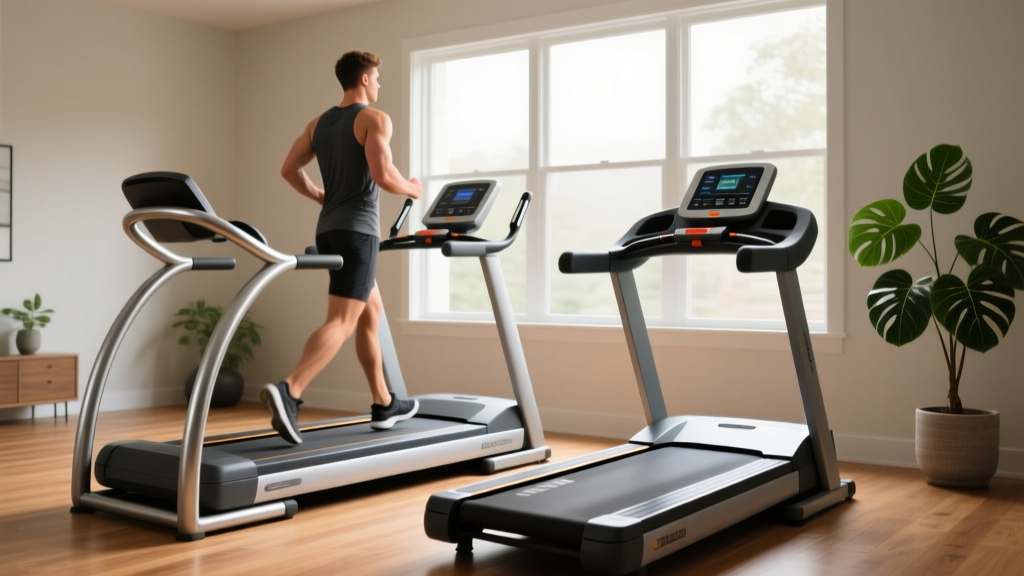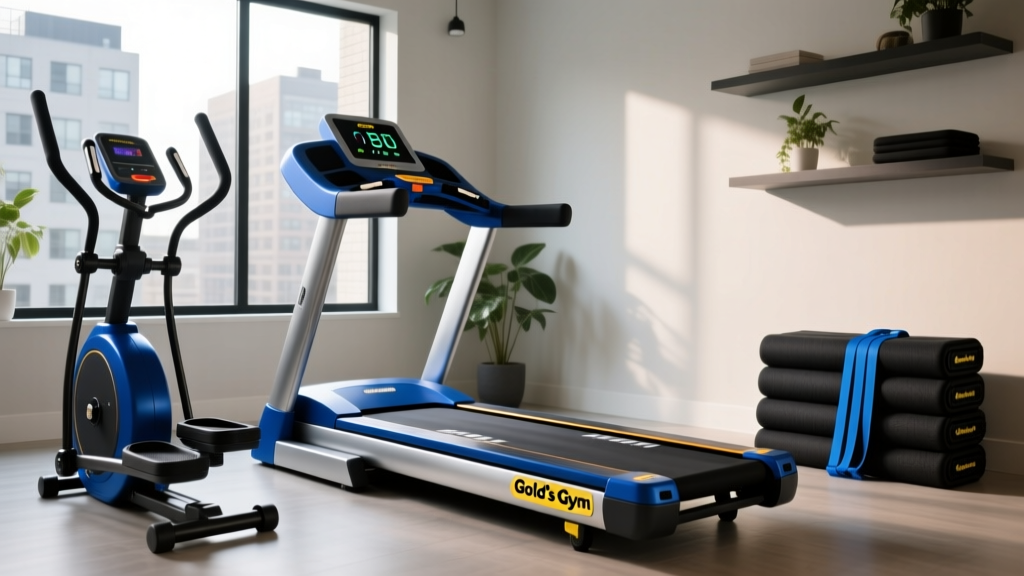
Maintain Compact Portable Cardio Equipment and Gold's Gym Treadmills
Expert maintenance tips for compact portable cardio equipment and Gold's Gym treadmills. Learn how to prevent motor burnout, lubricate belts, and extend machine life.

The Shift to Compact Cardio: Why Maintenance is Non-Negotiable
As home gym footprints shrink in 2026, compact portable cardio equipment options have surged in popularity. From ultra-slim walking pads that slide under sofas to foldable stationary bikes and hydraulic mini-steppers, space-saving fitness gear is everywhere. However, this downsizing comes with a hidden cost: increased mechanical vulnerability. Unlike commercial-grade machines with massive cooling systems and sealed bearings, portable cardio machines operate with tighter tolerances and less protective housing.
When you introduce heavier, folding traditional machines into the mix—specifically gold's gym treadmills, which are renowned for their foldable home-use designs—the maintenance paradigm shifts again. Whether you are caring for a 110-pound under-desk walking pad or a 150-pound folding Gold's Gym Trainer series treadmill, understanding the specific failure modes of compact cardio gear is the only way to protect your investment. This comprehensive guide breaks down the exact maintenance protocols required to maximize the lifespan of your portable and folding cardio equipment.
Unique Failure Points in Portable Cardio Equipment
Compact cardio machines sacrifice physical mass for convenience. This engineering trade-off creates specific maintenance blind spots that most users ignore until the machine fails.
Walking Pads and Under-Desk Treadmills
Walking pads (like popular models from UREVO or Goplus) lack the traditional motor hood and extended shrouds found on full-sized treadmills. This means the printed circuit board (PCB) and motor housing are directly exposed to ambient dust, pet hair, and sweat drips.
- The Dust Ingress Problem: Without a sealed hood, cooling fans pull microscopic debris directly into the motor brushes. Over 6 to 8 months, this creates an insulating layer that traps heat, leading to premature motor burnout.
- Optical Sensor Fouling: Most walking pads use an optical sensor near the front roller to track belt speed. Sweat and dust accumulation on this sensor lens will cause erratic speed fluctuations or sudden error codes (usually E02 or E05).
- Actionable Fix: Use a can of compressed air to blow out the motor housing vents every 30 days. Wipe the exposed deck edges with a microfiber cloth dampened with isopropyl alcohol weekly to prevent sweat corrosion on the frame.
Hydraulic Mini-Steppers
Portable stair steppers rely on dual hydraulic cylinders to generate resistance. These cylinders contain specialized fluid that degrades under high heat.
- Thermal Breakdown: If you use a mini-stepper for more than 20 continuous minutes, the hydraulic fluid can exceed 105°F (40°C). This causes the fluid to thin out, resulting in a 'bottoming out' sensation where resistance disappears.
- Actionable Fix: Limit continuous sessions to 15-20 minutes to allow the cylinders to cool. Every 6 months, inspect the pivot bolts connecting the pedals to the main frame; these endure massive lateral torque and require a drop of lithium grease to prevent squeaking and metal-on-metal shaving.
Deep Dive: Maintaining Gold's Gym Treadmills (Folding & Compact Models)
Gold's Gym treadmills, primarily manufactured under license by ICON Health & Fitness, dominate the mid-tier folding treadmill market. Models like the Gold's Gym Trainer 5.0 and 7.2 series offer excellent compact storage solutions, but their folding mechanisms and specific belt compositions require a tailored maintenance approach.
The Folding Hinge and Latch Mechanism
The most overlooked component on any Gold's Gym folding treadmill is the hydraulic folding hinge and the safety lock latch. When you drop the deck, the hinge bears the brunt of the kinetic energy. If the pneumatic cylinder loses pressure or the pivot joints dry out, the deck can slam down, posing a severe crush hazard and damaging the motor casing.
Expert Insight: Never use standard WD-40 or petroleum-based oils on the folding hinge of Gold's Gym treadmills. Petroleum degrades the rubber O-rings inside the pneumatic cylinder. Use a 100% synthetic white lithium grease on the metal pivot points, and a silicone-based spray for the latch release pin.
Belt Tracking and Motor Care
Compact Gold's Gym models often feature shorter, narrower belts (typically 18" x 50" or 20" x 55"). Because the user's stride is confined to a smaller surface area, foot strikes tend to concentrate in the center-rear of the deck, accelerating localized wear.
| Maintenance Task | Frequency | Tools Required | Specifics for Gold's Gym Models |
|---|---|---|---|
| Belt Lubrication | Every 3 Months / 150 Miles | 100% Silicone Lube, Allen Key | Apply exactly 0.5 oz under the belt on each side. Do not over-lubricate, or it will sling onto the motor hood. |
| Belt Tension & Alignment | Monthly | 3/16" Allen Wrench | Adjust the rear roller bolts. A quarter-turn clockwise tightens; counter-clockwise loosens. Never turn more than a half-turn at a time. |
| Deck Inspection | Annually | Flashlight, Mirror | Check for 'burn marks' or glossy spots on the MDF deck. This indicates excessive friction and impending belt failure. |
| Hinge & Latch Greasing | Bi-Annually | White Lithium Grease | Apply to the pivot pins where the uprights meet the base. Wipe away excess to prevent dust clumping. |
The Great Lubrication Debate: Silicone vs. Petroleum
One of the most common ways users destroy their compact treadmills and Gold's Gym treadmills is by using the wrong lubricant. According to comprehensive equipment testing outlined in Wirecutter's treadmill guide, using petroleum-based products like WD-40 or 3-in-One oil will melt the belt's backing and destroy the deck's wax coating within weeks.
⚠️ Warranty Warning: Using non-silicone lubricants will instantly void the manufacturer warranty on almost all Gold's Gym treadmills and portable walking pads. Always verify that your lubricant bottle explicitly states '100% Silicone' and is formulated specifically for fitness equipment.For compact walking pads, lubrication is even trickier. Because the deck is so close to the floor, excess silicone will drip onto your hardwood or carpet. Use an application wand to spread the silicone evenly, and run the machine at 2.0 MPH for 3 minutes to distribute the fluid before wiping the edges.
Compact Gear vs. Traditional Treadmills: A Maintenance Comparison
Understanding how your portable gear differs from full-sized commercial machines helps you prioritize your maintenance schedule.
| Equipment Type | Primary Vulnerability | Cooling Mechanism | Maintenance Focus |
|---|---|---|---|
| Portable Walking Pad | PCB Dust Accumulation | Passive / Exposed Fan | Compressed air cleaning; optical sensor wiping. |
| Gold's Gym Folding Treadmill | Folding Hinge Wear / Belt Friction | Active Motor Hood Fan | Hinge lubrication; precise belt tracking; deck waxing. |
| Mini Hydraulic Stepper | Cylinder Fluid Overheating | Ambient Air (None) | Pivot bolt greasing; strict session time limits. |
| Foldable Magnetic Bike | Drive Belt Stretch / Sensor Misalignment | Flywheel Air Fins | Tensioner adjustment; magnet calibration. |
Troubleshooting Common Portable Cardio Issues
When your compact equipment starts acting up, don't immediately assume the motor is dead. Use this expert troubleshooting framework:
1. The Walking Pad 'Stutter' or Sudden Stop
Symptom: The belt jerks forward, pauses, and then resumes, or throws an E01 error.
Diagnosis: This is rarely a motor issue. It is almost always a loose optical speed sensor or a frayed motor control wire caused by the repetitive folding and unfolding of the frame.
Fix: Unplug the unit. Locate the small plastic housing near the front roller. Ensure the sensor wire is firmly seated in the PCB. Check the wire routing along the folding hinge for pinch marks.
2. Gold's Gym Treadmill Belt Slipping
Symptom: The motor hums and the front roller spins, but the walking belt stops when you step on it.
Diagnosis: The drive belt (connecting the motor to the front roller) has stretched or lost tension, a common issue in compact models where the motor mount has limited adjustment travel.
Fix: Remove the motor hood (usually 4 to 6 Phillips-head screws). Loosen the motor mount bolts, pivot the motor slightly outward to increase tension on the ribbed drive belt, and retighten. If the drive belt is cracked, order a replacement specific to your exact model number (found on the decal near the power cord).
Expert Sourcing and Further Reading
Proper equipment maintenance isn't just about protecting your wallet; it's about ensuring your safety during high-intensity workouts. Industry standards for home gym equipment care emphasize regular inspection of moving parts and electrical housings. For broader context on home fitness equipment longevity and safety standards, refer to the Consumer Reports treadmill buying and maintenance guide, which provides excellent baseline data on expected machine lifespans and dealer servicing.
By treating your compact portable cardio equipment options and Gold's Gym treadmills with the same respect you would give a $3,000 commercial club machine, you can easily double their operational lifespan. Stick to the 100% silicone rule, respect the thermal limits of hydraulic cylinders, and keep the dust out of your exposed PCBs. Your home gym will run smoother, quieter, and safer for years to come.
More gear to consider
All reviews
Feeling Dizzy on a Treadmill? 2026 Walking Pad Comparison
Beyond Tony Little Treadmill Reviews: Motor Size & Horsepower Guide

Air Bike vs Assault Bike: Value vs Treadmill Walking Workouts

NordicTrack T6.5 Treadmill vs Rowing Machines: Cardio Showdown

XTERRA Treadmill TR150 Setup: Curved vs Motorized Installation