Beginner Guide to Cleaning Dumbbells With Neoprene Coatings
Learn the safest methods for cleaning dumbbells with neoprene coatings. Our step-by-step guide protects home gym gear from sweat and degradation.

Why Neoprene Requires a Specialized Approach
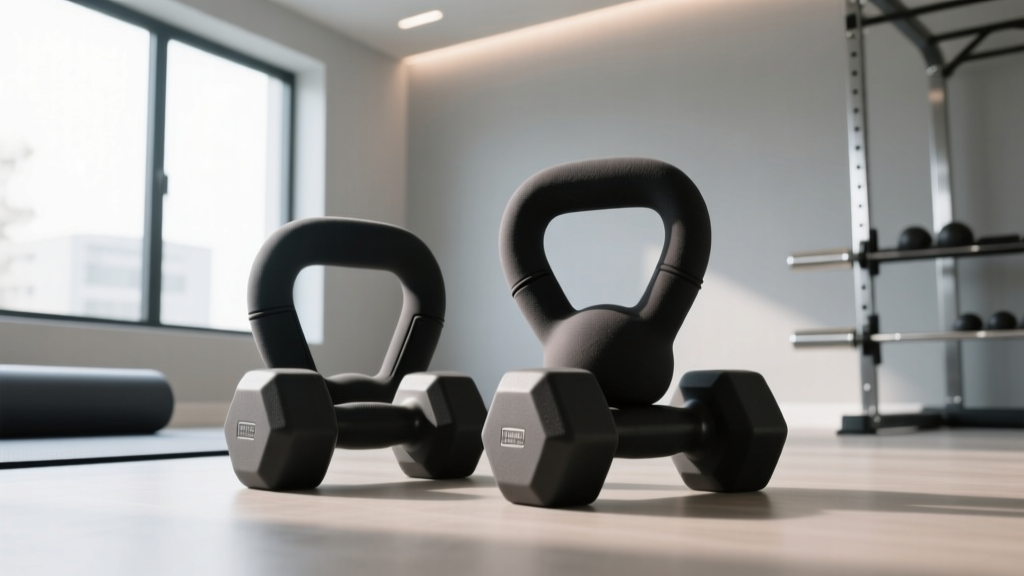
If you have built a home gym over the last few years, chances are you own at least one set of neoprene-coated dumbbells. Popular options like the Yes4All Neoprene Hex Dumbbells (typically priced between $15 and $25 per pair) or the CAP Barbell Neoprene Coated Hex Sets ($20 to $30 per pair) are favored for their vibrant color-coding, comfortable grip, and floor-friendly impact absorption. However, when it comes to cleaning dumbbells made of this specific material, many beginners make a critical error: treating neoprene exactly like bare cast iron, chrome, or urethane.
Neoprene, scientifically known as polychloroprene, is a synthetic rubber that relies on chemical plasticizers to maintain its flexible, slightly tacky grip. When exposed to the wrong cleaning agents—like harsh bathroom disinfectants or high-concentration alcohols—these plasticizers are stripped away. The result? Your once-grippy dumbbells will dry out, crack, and eventually develop a permanent, messy sticky residue that ruins your workout experience and your flooring.
Material Science Insight: The Plasticizer Problem
Polychloroprene is inherently porous at a microscopic level. While it resists water and sweat reasonably well, it is highly susceptible to solvent-based degradation. According to material safety guidelines referenced by the EPA Safer Choice program, selecting pH-neutral, non-solvent cleaning agents is vital for preserving synthetic polymers in household environments. Using the wrong chemical doesn't just clean the surface; it fundamentally alters the molecular structure of the neoprene coat.
The 4-Step Routine for Cleaning Dumbbells Safely
To keep your home gym equipment sanitary and structurally sound in 2026 and beyond, follow this beginner-friendly, step-by-step maintenance routine. This process takes less than three minutes per pair and requires only household items.
Step 1: The Dry Microfiber Wipe (Post-Workout)
Immediately after your workout, take a dry, clean microfiber cloth and wipe down the handles and the neoprene heads. The goal here is to remove liquid sweat and dead skin cells before they settle into the microscopic pores of the synthetic rubber. Never use a standard cotton towel, as cotton fibers can snag on microscopic abrasions in the neoprene and leave lint behind.
Step 2: Mixing the Safe Cleaning Solution
For your weekly deep clean, you need a solution that cuts through sebum (body oils) without attacking the polychloroprene.
- Fill a 16 oz spray bottle with distilled water (tap water contains hard minerals that leave a white, chalky film on dark neoprene).
- Add exactly 1 teaspoon of mild, pH-neutral dish soap (Dawn Ultra or a similar grease-cutting, non-bleach formula works best).
- Gently invert the bottle to mix. Do not shake vigorously, as you want to avoid creating a massive amount of suds.
Step 3: The Gentle Scrub
Lightly mist the neoprene heads and the metal handles. Let the solution sit for 30 to 45 seconds to break down the oils. Using a soft-bristled brush (a clean, unused makeup brush or a dedicated soft horsehair detailing brush works perfectly), gently agitate the surface. Pay special attention to the seam where the neoprene meets the metal handle, as this is where bacteria and dead skin accumulate.
Step 4: The Rinse and Dry
Wipe the dumbbells down with a separate microfiber cloth dampened only with plain distilled water to remove any soap residue. Soap left on the surface will attract dust and dirt, creating a gritty layer. Dry immediately with a third, completely dry towel. Allow them to air-dry in a well-ventilated room for 10 minutes before returning them to your rack.
Chemical Compatibility Matrix: What to Use and Avoid
One of the most common ways beginners ruin their home gym investment is by grabbing the nearest multi-surface spray. The CDC guidelines on cleaning and disinfecting emphasize that not all surfaces tolerate hospital-grade disinfectants. Use the table below to ensure you are using safe compounds on your neoprene gear.
| Cleaning Agent | Safety for Neoprene | Effect / Consequence |
|---|---|---|
| Mild Dish Soap + Distilled Water | Highly Safe | Removes oils and sweat without degrading plasticizers. |
| Alcohol-Free Baby Wipes | Safe (Quick Wipe) | Good for mid-workout sanitization; lacks deep cleaning power. |
| 70%+ Isopropyl Alcohol | Unsafe | Dries out the synthetic rubber, leading to micro-cracking. |
| Lysol / Clorox Multi-Surface Sprays | Unsafe | Harsh solvents strip color dyes and break down the coating. |
| Bleach Solutions | Highly Unsafe | Causes immediate discoloration and accelerates structural decay. |
Troubleshooting Common Neoprene Degradation Issues
Even with careful maintenance, environmental factors and aging can cause issues. Here is how to troubleshoot the most common problems associated with neoprene-coated free weights.
The 'Sticky' Dumbbell Phenomenon
If your older dumbbells feel like they are coated in a layer of permanent glue, you are experiencing plasticizer migration. This happens when the chemical compounds that keep the neoprene soft begin to leach out of the material and pool on the surface, often accelerated by UV exposure or heat.
Expert Fix: Create a thick paste using baking soda and a small amount of water. Apply it to the sticky areas and let it sit for 15 minutes. The baking soda acts as a mild, non-toxic abrasive and alkaline absorbent that pulls the migrated oils out of the surface pores. Wipe clean with a damp cloth. If the stickiness persists, the polymer breakdown is irreversible, and the dumbbells should be replaced to prevent damage to your gym mats.
White Chalky Residue on Dark Neoprene
If your black or navy blue dumbbells develop a white, powdery film, this is not mold or chemical burn. It is almost always hard water mineral buildup (calcium and magnesium) left behind from using tap water to wipe them down.
The Solution: Mix a 50/50 solution of distilled white vinegar and distilled water. Lightly dampen a cloth (do not spray directly onto the weight) and wipe the affected areas. The mild acidity of the vinegar will dissolve the mineral deposits instantly. Follow up with a pure distilled water wipe to neutralize the acid.
Environmental Storage & Longevity
How you store your neoprene dumbbells is just as important as how you clean them. Polychloroprene is highly sensitive to ultraviolet (UV) light and extreme temperature fluctuations.
- Avoid Direct Sunlight: Storing your dumbbell rack next to a south-facing window will cause the UV rays to break down the chemical bonds in the neoprene, leading to severe fading and brittleness within 12 to 18 months.
- Control the Humidity: While neoprene is water-resistant, the metal core inside the coating is not. If you live in a high-humidity environment or keep your gym in an unclimate-controlled garage, condensation can form under the neoprene seal at the handle junction, leading to internal rust that will eventually expand and split the rubber coating from the inside out.
- Rack Selection: Always store neoprene dumbbells on a tiered A-frame or horizontal rack with wide, flat saddles. Storing them on narrow, single-pronged hooks can create permanent indentations in the neoprene over time, compromising the structural integrity of the coat.
By treating your neoprene-coated dumbbells with the specific chemical care they require, you can easily extend their lifespan by 3 to 5 years. A full 5-to-25 pound set of neoprene hex dumbbells represents a $150 to $250 investment in your home gym; protecting that investment requires nothing more than distilled water, mild soap, and a strict avoidance of harsh household solvents.
More gear to consider
All reviews
Best Loadable Dumbbells for Incline Dumbbell Press (2026)
Best Adjustable Dumbbells for Muscle Gain: 2026 Head-to-Head

Barbell Collar Setup for Weight Loss Using Dumbbells

Barbell Collar & Clamp Types Compared: Secure Lifts Before a 20 Minute Dumbbell Workout
Barbell Guide: Weight, Knurling & Bicep Exercises With One Dumbbell