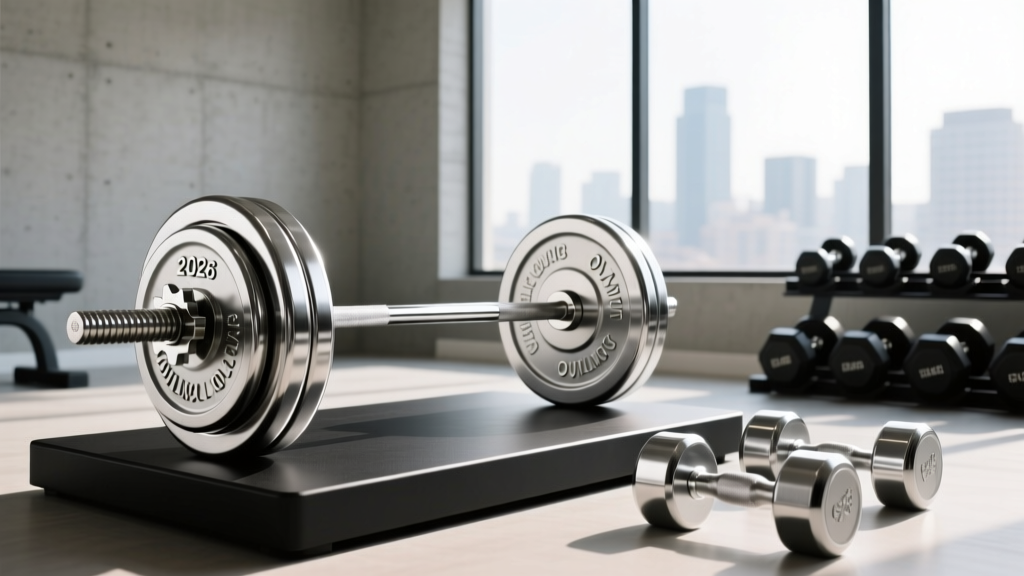
Cast vs Comp Kettlebell Care & Hamstring Workouts with Dumbbells
Master equipment longevity with our guide on cast iron vs competition kettlebell care and maintaining dumbbells for hamstring workouts.

Building a resilient home gym in 2026 requires more than just purchasing premium free weights; it demands a rigorous understanding of material science and preventative maintenance. Whether you are swinging heavy steel for posterior chain development or executing targeted hamstring workouts with dumbbells, the longevity of your equipment hinges on how well you manage environmental stressors, mechanical friction, and material fatigue. Free weights are not indestructible. Without a proper care protocol, a $200 investment can degrade into a rusty, slippery hazard within a single humid summer.
Expert Insight: The most common cause of premature free weight degradation is not dropping them, but the acidic nature of human sweat combined with ambient humidity. Sweat has a pH ranging from 4 to 6, making it highly corrosive to exposed iron and steel.The Material Science of Free Weight Degradation
Before applying any oils or cleaners, you must understand the metallurgical differences between the tools in your arsenal. A buying guide for cast iron vs competition kettlebells is incomplete without addressing how their distinct manufacturing processes dictate their maintenance needs. Similarly, the dumbbells you use for isolation and hinge movements suffer unique wear patterns based on their outer coatings.
| Equipment Type | Material & Finish | Primary Vulnerability | Avg. 2026 Cost |
|---|---|---|---|
| Cast Iron Kettlebell | Iron / E-Coat or Powder Coat | Surface oxidation, coating chips | $45 - $185 |
| Competition Kettlebell | Steel / Painted Powder Coat | Internal hollow-core rust, handle wear | $120 - $240 |
| Urethane Hex Dumbbell | Steel Core / Urethane Shell | Edge chipping, handle knurling rust | $150 - $600/pair |
| Rubber Hex Dumbbell | Iron Core / Virgin Rubber | Plasticizer leaching, UV degradation | $80 - $300/pair |
Cast Iron vs. Competition Kettlebells: A Longevity Breakdown
When browsing a kettlebell buying guide cast iron vs competition models, the visual differences are obvious, but the structural maintenance requirements are where most lifters fail. Cast iron bells, like the Rogue E-Coat series, are poured into molds and finished with a thin electrophoretic coating. This preserves the aggressive texture of the iron but leaves the bell highly porous on a microscopic level.
Preserving Cast Iron E-Coats and Powder Coats
E-coated cast iron is notorious for developing surface rust if ambient humidity exceeds 60% for prolonged periods. To maintain these bells:
- The 3-IN-ONE Protocol: Once a month, apply a light coat of 3-IN-ONE multi-purpose oil or a specialized barbell oil. Use a stiff nylon brush to work the oil into the pores of the handle, then wipe it completely dry with a microfiber cloth. Leaving excess oil will attract dust and dead skin, creating an abrasive paste that accelerates wear.
- Rust Remediation: If orange spotting appears, do not use steel wool. Use a brass wire brush or a paste of Bar Keepers Friend and water to gently lift the oxidation without stripping the surrounding e-coat.
Competition Steel: The Hollow Core Threat
Competition kettlebells, such as those from Kettlebell Kings, are forged from a single piece of steel to ensure uniform dimensions (e.g., a strict 35mm handle diameter) regardless of weight. To achieve this, the core is hollow and filled with a proprietary weighting material, sealed by a base plug.
Critical Warning: Never submerge a competition kettlebell in water or clean it with a soaking wet rag. If moisture breaches the base plug seal, the bell will rust from the inside out. This internal oxidation compromises the structural integrity of the steel shell and is entirely unfixable.
For competition bells, use a lightly damp microfiber cloth with a mild, non-corrosive dish soap to wipe down the 35mm handles after heavy chalk use. Chalk (magnesium carbonate) is highly hygroscopic; it pulls moisture from the air and holds it against the steel, accelerating handle pitting. Brush out the chalk crevices weekly with a dry toothbrush.
Maintaining Dumbbells for Hamstring Workouts
While kettlebells dominate the swing and snatch, executing heavy hamstring workouts with dumbbells—such as Romanian Deadlifts (RDLs), single-leg good mornings, and deficit reverse lunges—places unique mechanical stress on your equipment. During an RDL, the lifter frequently rests the dumbbell heads on their quadriceps or thighs before initiating the eccentric hinge. This repeated contact transfers body heat, friction, and acidic sweat directly onto the dumbbell heads.
Urethane vs. Rubber: Surviving the Thigh Rest
If your hamstring workouts with dumbbells involve high-volume hypertrophy work, the material of the dumbbell head dictates its lifespan. Virgin rubber dumbbells contain chemical plasticizers to keep the material flexible. Over time, the heat and oils from your skin, combined with UV exposure from garage gym windows, cause these plasticizers to leach out. The result is a sticky, degrading surface that permanently ruins your lifting attire and smells rancid.
Urethane dumbbells (priced between $150 and $600 per pair in 2026) are virtually impervious to sweat and UV degradation. However, their primary failure mode is edge chipping. When finishing a grueling set of hamstring curls or RDLs, dropping urethane dumbbells onto bare concrete will cause micro-fractures along the hex edges. Always use 3/4-inch horse stall mats or high-density EVA foam drop pads to absorb the kinetic energy and preserve the urethane shell.
Knurling Care for Adjustable Dumbbells
For adjustable models like the Ironmaster Quick-Lock or PowerBlock Elite, the exposed steel handles require the same meticulous care as Olympic barbells. The knurling traps dead skin, chalk, and sebum. If left uncleaned, this organic matter holds moisture against the steel, leading to deep pitting that will eventually tear your calluses during heavy hamstring hinges. Use a stainless steel brush (for aggressive knurling) or a brass brush (for mild knurling) to sweep the grooves bi-weekly.
The 2026 Quarterly Maintenance Protocol
To systematize your equipment care, adopt this quarterly protocol recommended by strength and conditioning facility standards, mirroring guidelines often cited by the National Strength and Conditioning Association (NSCA) for commercial gym upkeep.
- Deep Clean (Week 1): Wipe down all competition bells and urethane dumbbell heads with a 50/50 mix of distilled water and isopropyl alcohol. This cuts through chalk and sebum without leaving a corrosive residue.
- Knurling Sweep (Week 1): Brush all cast iron handles, adjustable dumbbell grips, and competition bell horns with a brass brush to dislodge embedded debris.
- Oiling and Sealing (Week 2): Apply a micro-thin layer of barbell oil to all exposed steel and cast iron. Let it sit for 10 minutes, then buff aggressively with a clean cotton rag.
- Hardware Inspection (Week 2): Check the base plugs on competition kettlebells for looseness. Inspect the locking pins and bolts on adjustable dumbbells used for hamstring workouts, tightening any that have vibrated loose during heavy eccentric loading.
- Environment Check (Week 3): Calibrate your gym's dehumidifier. Ensure ambient humidity remains below 55% to halt the oxidation process on e-coated iron.
Frequently Asked Questions
Can I use WD-40 to clean my kettlebells and dumbbells?
No. Standard WD-40 is a solvent and water displacer, not a long-term lubricant or protectant. It will strip away existing protective oils and leave a thin film that evaporates quickly, leaving your cast iron more vulnerable to rust than before. Use dedicated barbell oils, 3-IN-ONE, or mineral oil instead.
How do I fix a sticky rubber dumbbell?
Once rubber begins to leach plasticizers and become sticky, the chemical breakdown is irreversible. You can temporarily mitigate the tackiness by wiping the handles and heads with a rag soaked in isopropyl alcohol, but the stickiness will return within weeks. The only permanent solution is to replace them with cast iron or urethane alternatives.
Does chalk damage competition kettlebell handles?
Chalk itself does not chemically damage steel, but its hygroscopic nature is the real threat. Magnesium carbonate absorbs ambient moisture and sweat, creating a localized high-humidity environment directly against the 35mm handle. If you use chalk during your swings or snatches, you must brush the handle clean and wipe it with a dry cloth immediately post-workout to prevent micro-rust and pitting.
More gear to consider
All reviews
EZ Curl vs Straight Bar Space Layouts & Dumbbell Good Morning Form

Setup Guide: Adjustable Dumbbells for Workouts With One Dumbbell
Power Rack vs Squat Rack: Proper Way to Do Dumbbell Curls Safely
Power Rack vs Squat Stand: The 50 Pound Dumbbell Curl Clearance Test

Beginner Guide: Dumbbell Shoulder Press with Neoprene Weights