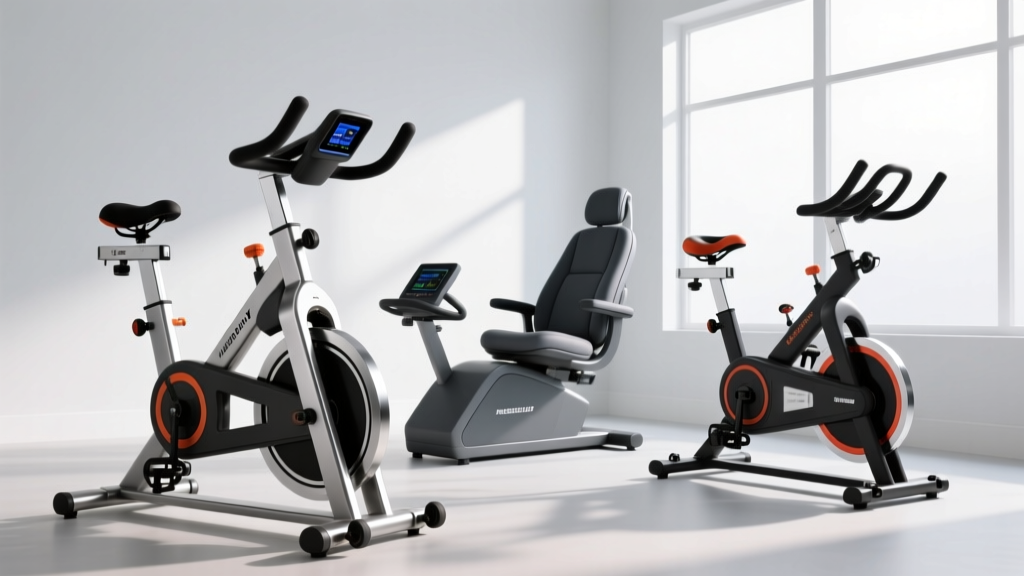
Maintenance Tips: C970 Pro Treadmill & Stationary Bike Types
Master cardio equipment longevity with our 2026 maintenance guide. Compare C970 Pro treadmill upkeep with upright, recumbent, and spin bike care.

The Mechanical Divide: High-Friction vs. Low-Impact Cardio
When outfitting a home gym or light-commercial facility, understanding the mechanical realities of your cardio fleet is the difference between a decade of reliable service and a garage full of broken steel. The maintenance required for a heavy-duty, high-impact machine like the C970 Pro treadmill is fundamentally different from the low-impact, varied resistance systems found in stationary bikes. As of 2026, modern cardio equipment features advanced smart consoles and refined drivetrains, but the core physics of friction, sweat corrosion, and dust ingestion remain the primary enemies of longevity.
This comprehensive guide breaks down the exact maintenance protocols for the C970 Pro treadmill and contrasts them with the specialized care required for the three main stationary bike types: upright, recumbent, and spin bikes. According to facility management guidelines published by the National Strength and Conditioning Association (NSCA), proactive, scheduled maintenance reduces equipment downtime by up to 40% and extends the lifecycle of commercial-grade cardio machines by an average of 3.5 years.
C970 Pro Treadmill: Deep-Dive Maintenance Protocol
The C970 Pro treadmill is a powerhouse, typically featuring a 4.0 CHP continuous-duty motor and a high-density polyurethane belt system. Because treadmills must absorb the kinetic impact of human running (up to 3x body weight per stride), the friction and heat generated are immense.
Deck Lubrication and Belt Tensioning
The most critical failure point on any treadmill is the deck-belt interface. If friction increases, the motor draws more amperage, eventually leading to MOSFET burnout on the motor control board (MCB).
- Lubricant Selection: Use only 100% liquid silicone treadmill lubricant. Never use petroleum-based products or aerosol sprays containing propellants, which can degrade the cotton-poly blend of the running belt.
- Application Interval: Every 150 miles or 3 months. Apply 0.5 oz under the belt, spreading it evenly across the deck.
- Tension Check: The belt should lift exactly 2 to 3 inches off the deck at the center. If it lifts higher, tighten the rear roller adjustment bolts by exactly one-quarter turn clockwise on each side to maintain tracking alignment.
Motor Hood and Electronics Bay
Dust acts as an insulator, trapping heat inside the motor casing. Every 90 days, unplug the C970 Pro, remove the motor hood (usually secured by four Phillips screws), and use a vacuum with a soft brush attachment. Never use compressed air, which will force conductive dust deep into the motor windings and the lower control board.
Stationary Bike Types: Upright, Recumbent, and Spin Maintenance
While the C970 Pro treadmill battles friction and impact, stationary bikes battle oxidation, sweat corrosion, and mechanical wear on specific drivetrain components. Maintenance varies wildly depending on the bike's geometry and resistance type.
1. Upright Bikes (Magnetic & Eddy Current Resistance)
Modern upright bikes utilize magnetic or eddy current resistance, meaning there is zero physical friction on the flywheel. The maintenance here is almost entirely structural and electronic.
- Seat Post Oxidation: The adjustable seat post is highly susceptible to galvanic corrosion from sweat drippings. Wipe the post weekly and apply a micro-layer of white lithium grease every 6 months to prevent it from seizing inside the frame tube.
- Pedal Threads: Pedals endure high torque and sweat exposure. Remove and re-grease the pedal threads (remember the left pedal is reverse-threaded) annually to prevent them from permanently fusing to the crank arm.
2. Recumbent Bikes (Step-Through Frames & Rail Systems)
Recumbent bikes are designed for ergonomic support and rehabilitation, featuring a sliding seat mounted on a horizontal rail. This rail system is the primary maintenance focal point.
- Rail Roller Maintenance: The seat glides on polyurethane wheels along an aluminum or steel track. Dust and pet hair wrap around these axles, causing the seat to bind. Clean the track monthly with isopropyl alcohol and apply a PTFE (Teflon) dry lubricant. Avoid wet oils, which attract abrasive grit.
- Optical Sensors: Recumbent bikes often use optical RPM sensors near the flywheel. If your console displays erratic cadence readings, use a cotton swab dipped in electronics cleaner to wipe the sensor lens and the corresponding reflector tape on the flywheel.
3. Spin Bikes & Indoor Cycles (Chain vs. Belt Drive)
Spin bikes are the most rugged but also the most abused, subjected to high-cadence standing intervals and massive sweat deluges. As highlighted in equipment longevity reports by Consumer Reports, sweat corrosion is the number one killer of indoor cycles.
- Drivetrain Care (Chain): If your spin bike uses a steel chain, it requires a PTFE dry bicycle chain lube every 30 days. Wipe off excess to prevent black grime buildup.
- Drivetrain Care (Belt): Poly-V belt drives (like Gates Carbon Drive) require zero lubrication. However, you must check belt deflection. Press down on the midpoint of the top belt run; it should deflect exactly 10mm to 15mm. Adjust the bottom bracket eccentric tensioner if it falls outside this range.
- The Bottom Bracket Cartridge: The bottom bracket bears the brunt of standing climbs. If you hear a rhythmic clicking or feel lateral play in the crank arms, the sealed cartridge bearings are failing. Replacement cartridges cost between $25 and $45 and require a standard 20-tooth spline bottom bracket tool to swap.
"In our 2026 analysis of home gym equipment degradation, we found that spin bikes placed in rooms without active dehumidification experienced bottom bracket and flywheel rust at a rate 300% faster than those in climate-controlled environments."
— Adapted from American Council on Exercise (ACE) Facility & Equipment Guidelines
Comparative Maintenance Matrix
Use this quick-reference matrix to schedule your monthly and annual cardio equipment upkeep.
| Machine Type | Primary Wear Point | Lubrication Need | Cleaning Agent | Est. Annual Upkeep |
|---|---|---|---|---|
| C970 Pro Treadmill | Deck/Belt Friction, Motor Dust | 100% Liquid Silicone | Mild Soap & Water (Console) | $30 - $50 |
| Upright Bike | Seat Post, Pedal Threads | White Lithium Grease | Enzymatic Sweat Cleaner | $15 - $25 |
| Recumbent Bike | Seat Rail Rollers, Optic Sensors | PTFE Dry Lube | Isopropyl Alcohol (Sensors) | $10 - $20 |
| Spin Bike (Chain) | Chain, Bottom Bracket, Sweat Zones | Bicycle Chain Dry Lube | Vinegar/Water Mix (Rust Prep) | $40 - $70 |
| Spin Bike (Belt) | Belt Tension, Bottom Bracket | None (Belt) | Enzymatic Sweat Cleaner | $25 - $45 |
Environmental Controls: The Unsung Hero of Longevity
No maintenance schedule can overcome a hostile environment. To protect the sophisticated electronics of the C970 Pro treadmill and the raw steel components of spin bikes, you must control the ambient conditions of your workout space.
- Humidity Management: Keep the room's relative humidity between 40% and 50%. Sweat contains high levels of sodium chloride; when suspended in high-humidity air, it settles on flywheels and motor boards, accelerating galvanic corrosion exponentially.
- Proper Matting: Never place cardio equipment directly on carpet. Carpets harbor dust and shed fibers that are sucked directly into treadmill motor housings and recumbent bike flywheel enclosures. Use a high-density 3/8-inch EVA foam mat or a specialized PVC equipment mat that extends at least 12 inches beyond the machine's footprint.
- Airflow Direction: If using a floor fan, do not point it directly at the equipment from the floor up. This acts as a vacuum, blowing dust and debris directly into the mechanical housings. Point fans downward or use ceiling circulation.
Frequently Asked Questions
How often should I lubricate the C970 Pro treadmill deck if I use it daily?
If you are running or walking on the C970 Pro for more than 45 minutes daily, you are accumulating mileage rapidly. Check the deck lubrication every 120 miles. You can test this by sliding your hand under the belt in the center of the deck; your fingers should feel slightly oily. If they come away dry, it is time to apply 0.5 oz of 100% silicone lubricant immediately to prevent the motor from overworking.
Why is my spin bike making a clicking noise from the bottom bracket?
A rhythmic clicking that speeds up with your cadence is almost always a failing sealed cartridge bearing inside the bottom bracket, exacerbated by sweat intrusion. To confirm, grab both crank arms and push/pull them laterally (side-to-side). If there is any perceptible play or knocking, the bearings are shot. You will need to remove the cranks (using a crank puller tool) and replace the bottom bracket cartridge, a part that typically costs under $40.
Can I use WD-40 on my recumbent bike seat rail to make it slide easier?
Absolutely not. Standard WD-40 is a solvent and water-displacer, not a long-term lubricant. It will strip away any existing factory grease, attract dust, and eventually turn into a gritty paste that will score the aluminum seat rail and destroy the polyurethane guide wheels. Always use a PTFE (Teflon) based dry bicycle chain lube or a specialized silicone dry spray for recumbent seat rails.
More gear to consider
All reviews
Goplus 2 in 1 Folding Treadmill Manual & Walking Pad Review

Sole S80 Treadmill Belt Maintenance: Expert Lubrication Guide

NordicTrack Treadmill Elite 3700 vs Curved Manual Treadmills

DeerRun Treadmill Reviews & Spin, Upright, Recumbent Bike Care
Troubleshooting Your Pregnancy Treadmill Workout: Curved vs Motorized Mistakes